

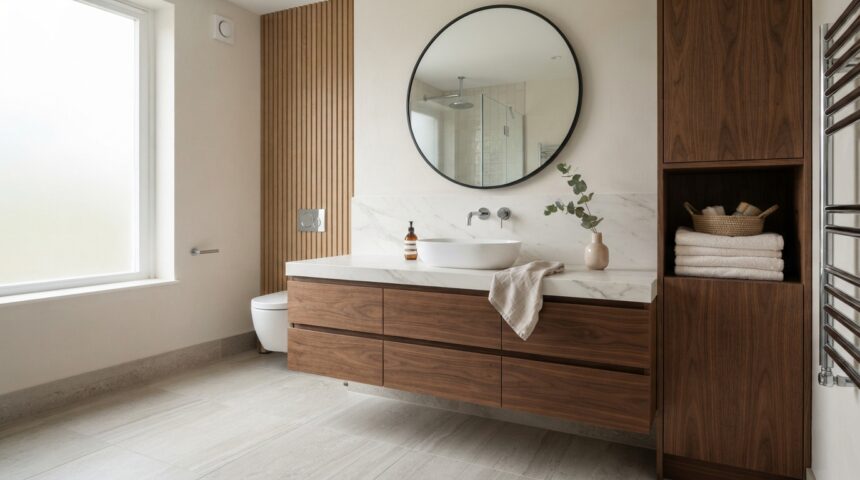
Choosing the right furniture for a bathroom is not just about looks; it is about function, durability, and how well a piece survives daily exposure to moisture. Bathrooms are one of the toughest rooms in a home for furniture because of humidity, temperature changes, and constant water contact.
If you pick the wrong material or size, you may end up replacing it within a year or two. This guide walks you through every practical step of how to choose furniture for a bathroom, from measuring your space to selecting water-resistant materials and matching your overall style. By the end, you will know exactly what to look for before making a purchase.
Understanding Your Bathroom’s Needs
Before buying anything, it helps to understand what your bathroom actually requires. Every bathroom has different levels of humidity, space, and usage patterns, so the furniture needs vary from home to home.
Size and Layout
The size of your bathroom decides almost everything about what furniture will fit comfortably. A small bathroom needs compact, wall-mounted pieces, while a larger space allows for freestanding vanities and extra storage units. Always sketch your layout before shopping.
Humidity and Ventilation Levels
Bathrooms with poor ventilation face higher humidity, which speeds up wear on wood and metal furniture. Check if your bathroom has a window, exhaust fan, or proper airflow, because this directly affects which materials will last longer inside it.
Setting a Budget
A realistic budget helps narrow down choices quickly. Bathroom furniture ranges from budget-friendly PVC units to premium solid wood vanities, so deciding your spending limit early prevents overspending on pieces that don’t match your actual needs.
Types of Bathroom Furniture
There are several categories of bathroom furniture, and each serves a different purpose. Knowing the difference helps you shop with a clear plan instead of buying randomly.
Vanities
Vanities are the centerpiece of most bathrooms, combining a sink, countertop, and storage in one unit. They come in floor-standing and wall-mounted styles, with wall-mounted versions being ideal for smaller spaces since they create the illusion of more floor area.
Storage Cabinets and Shelving
Cabinets and shelving units hold towels, toiletries, and cleaning supplies. Closed cabinets keep items dust-free and hidden, while open shelving offers quick access and a more decorative display option for neatly folded towels.
Mirrors and Accessories
Mirrored cabinets combine storage with a functional mirror, saving wall space in tighter bathrooms. Additional accessories like towel racks, stools, and ladder shelves complete the room’s functionality without taking up much floor space.
Best Materials for Bathroom Furniture
Material choice is arguably the most important decision when learning how to choose furniture for a bathroom, since the wrong material can warp, swell, or rust within months of humidity exposure.
Wood, MDF and Laminate Options
Solid wood looks elegant but must be properly sealed to resist moisture. Treated MDF with waterproof laminate coating is a more affordable alternative that performs well in bathrooms, provided the edges are fully sealed against water seepage.
PVC and Metal Furniture
PVC furniture is naturally water-resistant and low-maintenance, making it a popular budget choice. Metal furniture, especially stainless steel or powder-coated pieces, resists rust and works well for shelving units and towel racks in humid conditions.
Materials to Avoid
Untreated particleboard, raw wood without sealant, and plain iron without protective coating should generally be avoided. These materials absorb moisture quickly, leading to swelling, mold growth, or rust within a short period.
| Material | Moisture Resistance | Durability | Best Use |
| Solid Sealed Wood | Medium-High | High | Vanities, cabinets |
| Treated MDF/Laminate | Medium | Medium | Budget vanities |
| PVC | High | Medium-High | Small bathroom units |
| Stainless Steel | High | High | Shelving, racks |
| Untreated Wood/Particleboard | Low | Low | Not recommended |
Measuring and Space Planning
Accurate measurements prevent costly mistakes, especially when buying furniture online where returns can be difficult and expensive.
Taking Correct Measurements
Measure the width, depth, and height of your available space, including doorways for furniture entry. Also account for door swing directions and plumbing fixture locations so nothing obstructs movement once installed.
Small vs Large Bathroom Planning
In small bathrooms, prioritize wall-mounted or corner units to free up floor space, while larger bathrooms can accommodate freestanding vanities and additional storage towers. Always leave adequate walking clearance around every fixture.
Style, Storage and Moisture Protection
Beyond function, your furniture should match the bathroom’s visual theme while also protecting against everyday moisture damage.
Coordinating Style and Hardware
Match your furniture finish, cabinet hardware, and mirror frames to create a cohesive look, whether your bathroom follows a modern, farmhouse, or minimalist theme. Consistent color tones across fixtures make the space feel more put together.
Maximizing Storage
Look for vanities with built-in drawers, combined with open shelving for towels and closed cabinets for cleaning supplies. Multi-purpose furniture, like a stool with hidden storage, is especially useful in compact bathrooms.
Preventing Mold and Moisture Damage
Elevated furniture with legs allows airflow underneath, reducing mold risk compared to flush-to-floor designs. Choosing finishes with waterproof sealant and ensuring proper bathroom ventilation further protects your furniture investment long-term.
Budget and Maintenance Tips
Balancing cost with quality ensures your furniture lasts without unnecessary replacements down the line.
Where to Spend and Where to Save
Invest more in items exposed to constant water contact, such as vanity countertops and cabinet bases, while saving on decorative accessories like towel ladders or stools that face less moisture exposure.
Maintenance and Longevity
Regular wiping, avoiding standing water on surfaces, and periodic resealing of wood extend furniture life significantly. Checking hinges and hardware for rust every few months also prevents bigger repair costs later.
Common Mistakes to Avoid
Many buyers make avoidable errors when purchasing bathroom furniture, and being aware of these can save both money and frustration.
- Ignoring moisture resistance ratings before purchase
- Skipping precise measurements, leading to poor fit
- Overlooking storage needs for daily essentials
- Choosing style over function in high-moisture areas
- Buying untreated wood furniture for wet zones
Quick Take on Popular Guides Online
Most existing guides on this topic focus only on style trends or only on material types, rarely combining measurement planning, moisture protection, and budget strategy together. This guide aims to cover the full buying process in one place, so you don’t need to piece together information from multiple sources.
FAQs
What is the best material for bathroom furniture?
Sealed solid wood, treated MDF with laminate, PVC, and stainless steel are the most reliable choices for humid bathroom environments.
Should bathroom furniture be wall-mounted or floor-standing?
Small bathrooms benefit from wall-mounted furniture for extra floor space, while larger bathrooms can comfortably fit floor-standing pieces.
How often should bathroom furniture be resealed?
Wooden furniture generally needs resealing every one to two years, depending on humidity levels and ventilation quality in the bathroom.
Is PVC furniture good for bathrooms?
Yes, PVC is highly moisture-resistant, affordable, and low-maintenance, making it a practical choice for humid bathroom conditions.
Conclusion
Knowing how to choose furniture for a bathroom comes down to balancing moisture resistance, correct sizing, storage needs, and personal style within your budget.
Prioritizing water-resistant materials and proper measurements ensures your furniture stays functional and attractive for years rather than needing frequent replacement.
Related Articles
Do Gutter Guards Cause Ice Dams? The Truth Homeowners Need to Know
How to Measure a Ceiling Fan: The Complete Size Guide for Every Room
How to Stain Wood Floors: A Complete Step-by-Step Guide
How Do You Hang Wall Cabinets? A Complete Step-by-Step Guide
Cathedral Ceiling Support Box Installation Supervent: Full Guide