

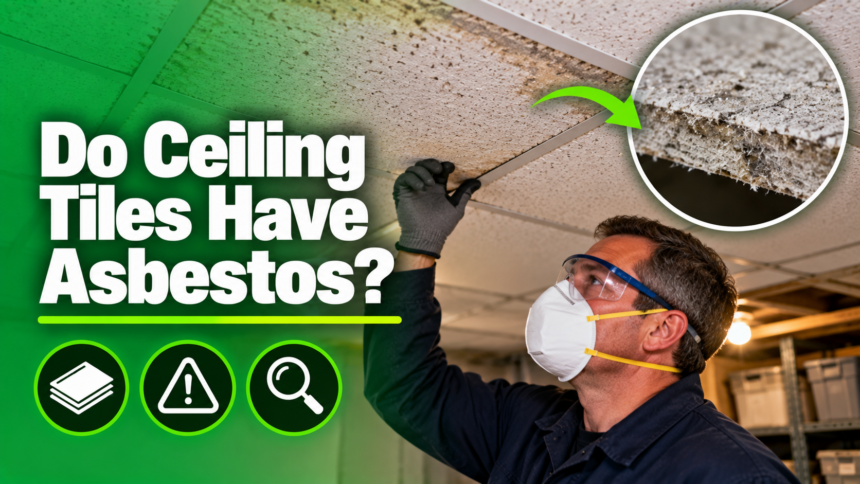
Yes, many older ceiling tiles do have asbestos, especially those installed before the 1980s. Manufacturers used asbestos fibers because they made tiles fire-resistant, durable, and good at blocking sound.
If your building was constructed or renovated before this period, there is a real chance the ceiling tiles above your head contain this material. However, not every tile is dangerous, and age alone does not confirm the presence of asbestos. The only accurate way to know for sure is through proper testing, which this guide explains in detail below.
What Is Asbestos and Why Was It Used in Ceiling Tiles?
Asbestos is a naturally occurring mineral fiber that was widely used in construction because of its strength and resistance to heat. Builders loved it for ceiling tiles since it added fire protection and reduced noise between floors.
The Natural Properties That Made It Popular
Asbestos fibers are thin, strong, and almost impossible to burn, which is exactly why builders mixed them into ceiling materials decades ago.
This mineral also resisted moisture and chemical damage, so tiles made with it lasted for many years without breaking down. Because it was cheap and easy to source, manufacturers added it to almost every type of building material, not just ceilings.
A Short History of Its Use in Construction
Asbestos use in building materials, including ceiling tiles, grew rapidly from the 1930s onward and stayed common through the 1970s.
During this time, it was seen as a wonder material rather than a health risk, so it appeared in insulation, flooring, roofing, and ceilings alike. Awareness about its dangers only grew later, which slowly changed how these products were made.
Timeline: When Were Asbestos Ceiling Tiles Used?
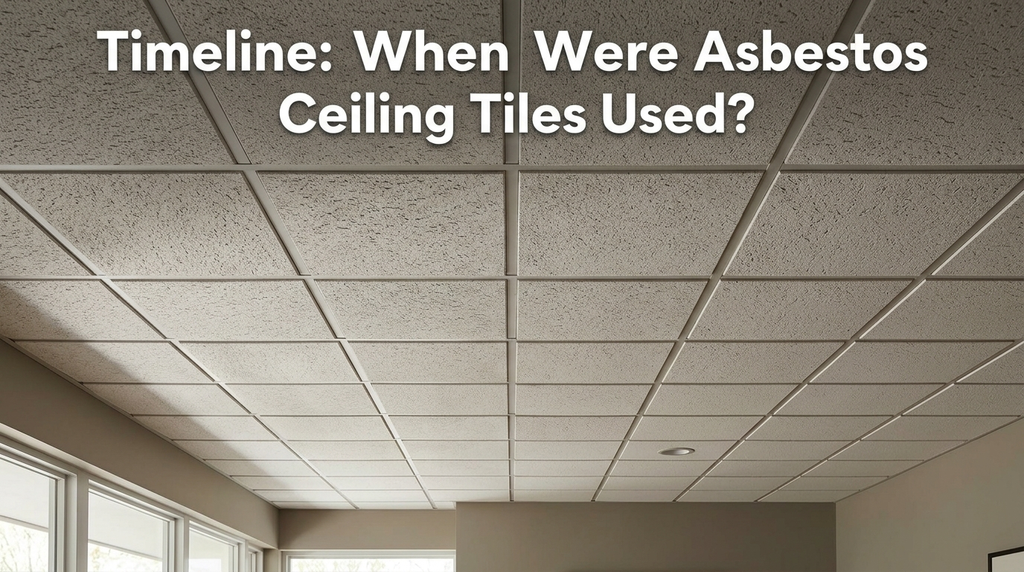
Most asbestos ceiling tiles were installed between the 1930s and late 1970s, with use declining sharply through the 1980s. Buildings constructed after the 1990s are far less likely to contain them.
Pre-1980s: The Highest Risk Period
If your building was constructed before 1980, the ceiling tiles have a strong chance of containing asbestos fibers.
This was the peak period for asbestos use in construction materials across residential, commercial, and industrial buildings. Renovations, water damage, or old age in these buildings increase the chance of fiber release, so extra caution is recommended.
1980s to 1990s: A Transition Period
During this stretch, awareness about health risks grew, and many manufacturers began phasing out asbestos from their products gradually.
Some tiles from this era still contain trace amounts, while others were made entirely without it. It becomes harder to judge safety by appearance alone during this transition window, so testing is the safer route.
Post-2000s: Mostly Asbestos-Free Tiles
Ceiling tiles manufactured after the 2000s are generally considered safe, since most countries introduced strict guidelines limiting or banning asbestos in building products.
That said, no country enforces a complete blanket ban covering every product category, so rare exceptions can still exist. Buying from reputable, certified suppliers remains the best way to avoid any risk today.
Types of Ceiling Tiles That May Contain Asbestos
Several tile categories were commonly made with asbestos fibers mixed into their base materials. Recognizing these types can help you judge risk before any inspection or renovation work begins.
| Tile Type | Common Era | Asbestos Risk Level |
| Mineral fiber tiles | 1950s-1980s | High |
| Fiberboard tiles | 1930s-1970s | High |
| Vinyl/asbestos composite | 1950s-1980s | Moderate to High |
| Textured “popcorn” tiles | 1960s-1980s | Moderate |
| Glue-down adhesive tiles | 1940s-1970s | Moderate (adhesive risk) |
Mineral Fiber and Fiberboard Tiles
These two categories were among the most common asbestos-containing ceiling products sold across decades.
Mineral fiber tiles often have a rough, pitted surface texture, while fiberboard tiles tend to feel dense and slightly heavier than modern alternatives. Both types were popular in schools, offices, and homes built during the mid-twentieth century.
Vinyl Composite and Textured Tiles
Vinyl-asbestos composite tiles combined flexibility with fire resistance, making them a favorite for ceilings needing extra durability.
Textured “popcorn” style tiles, often sprayed rather than tiled, also frequently contained asbestos to improve their soundproofing qualities. Both styles can look harmless today but may still carry hidden fibers within their material layers.
Adhesive and Glue-Down Tile Risks
Sometimes the tile itself is asbestos-free, but the adhesive used to install it is not, which many homeowners overlook.
This glue often sits directly against the ceiling surface and can release fibers if scraped or sanded during removal. Checking both the tile and its backing adhesive matters just as much as checking the visible surface.
How to Tell If Your Ceiling Tiles Might Contain Asbestos
Visual signs like age, texture, and building history can offer clues, but they are never fully reliable on their own. A confident answer to “do ceiling tiles have asbestos” always requires proper testing rather than guesswork.
Visual Clues and Building Age
Older buildings with original ceiling tiles, rough textures, or unusual thickness often raise suspicion of asbestos content.
Checking renovation records or original construction permits can also reveal the approximate installation date of your ceiling. However, appearance changes over time due to paint, dust, or moisture, making visual judgment alone unreliable.
Why Looking Alone Isn’t Enough
Asbestos fibers are microscopic and invisible to the naked eye, so no amount of careful observation can confirm their presence.
Two tiles from the same era can look identical yet have completely different compositions depending on the manufacturer. This is exactly why professionals always recommend lab-based testing over visual inspection alone.
Is It Dangerous? Understanding the Risk
Ceiling tiles containing asbestos are not automatically dangerous if they remain undisturbed and intact. The real risk begins only when fibers become airborne and get inhaled repeatedly over time.
When Undisturbed Tiles Are Generally Safe
Intact asbestos tiles that are not cracked, drilled, or crumbling typically pose minimal risk to people living or working nearby.
The fibers stay bound within the material and do not escape into the air under normal, undisturbed conditions. Many buildings safely retain these tiles for years without any health concerns as long as they remain untouched.
Activities and Conditions That Increase Risk
Cutting, sanding, drilling, or breaking old tiles releases fibers into the air, which is when real danger begins for anyone nearby.
Water damage, aging, or accidental impact can also weaken tiles and cause fibers to loosen over time. Long-term exposure to airborne asbestos fibers is linked to serious lung conditions, including mesothelioma and asbestosis.
How to Safely Test for Asbestos in Ceiling Tiles
Testing remains the only reliable way to confirm whether your ceiling tiles contain asbestos fibers. You can choose between a home testing kit or a certified laboratory inspection depending on your budget and accuracy needs.
DIY Testing Kits and Their Limitations
Home testing kits allow you to collect a small tile sample and mail it to a lab for analysis at a lower cost.
While convenient, these kits carry some risk since improper sample collection can release fibers into your living space. They are also less thorough than a full professional inspection covering multiple areas of a building.
Professional Testing and What It Involves
Certified asbestos inspectors use specialized equipment to safely collect samples without disturbing surrounding material unnecessarily.
The sample then goes through laboratory analysis using polarized light microscopy to confirm fiber type and concentration accurately. Professional testing generally costs more than DIY kits but offers far greater reliability and safety during collection.
What to Do If You Suspect Asbestos Ceiling Tiles
If you believe your ceiling tiles contain asbestos, the safest first step is to leave them completely undisturbed. Avoiding unnecessary contact reduces the risk of fiber release while you arrange proper testing or professional help.
Immediate Precautions to Take
Do not drill, cut, sand, or attempt to remove suspected asbestos tiles yourself under any circumstances.
Keep the affected area sealed off from children, pets, and regular foot traffic until testing confirms the material’s safety. Avoid using fans or vacuums near the area, since airflow can spread loose fibers further.
When to Call a Certified Professional
Contact a certified asbestos abatement specialist if testing confirms asbestos presence or if tiles show visible damage already.
These professionals follow strict safety protocols designed to contain and remove hazardous material without spreading fibers elsewhere in the building. Attempting removal without proper training or equipment significantly increases health risks for everyone nearby.
Asbestos Ceiling Tile Removal Process
Professional removal follows a structured process designed to contain fibers and protect everyone involved throughout the project. This typically includes sealing off the work area before any tiles are touched.
Standard Steps Professionals Follow
Trained crews first seal the room using plastic sheeting and negative air pressure to prevent fiber spread during removal.
Workers wear protective suits, respirators, and gloves while carefully removing tiles without breaking or crumbling them. All removed material gets double-bagged and labeled correctly before being transported to an approved disposal facility.
Legal and Regulatory Considerations
Most regions require licensed contractors to handle asbestos removal, along with proper documentation and disposal permits.
Regulations vary significantly by country and even by city, so checking local requirements before starting any project matters. Skipping these legal steps can result in fines and, more importantly, unnecessary health exposure for workers and residents.
Replacing Ceiling Tiles: Modern Asbestos-Free Alternatives
Today’s ceiling tiles are manufactured using safer materials like mineral wool, fiberglass, and recycled fibers instead of asbestos. These modern options still provide strong fire resistance and soundproofing without the associated health risks.
Common Modern Materials Used Today
Fiberglass and mineral wool tiles have become the standard choice, offering similar durability and acoustic performance to older asbestos versions.
Gypsum-based tiles are also popular for their lightweight design and easy installation in both homes and offices. These materials meet current safety standards while still delivering the practical benefits builders originally wanted from asbestos.
Why Upgrading Makes Sense
Replacing old asbestos-containing tiles with modern alternatives improves both safety and overall indoor air quality for occupants.
Newer tiles are also easier to maintain, clean, and replace individually without the added risk of fiber exposure. For anyone renovating an older property, this upgrade is a practical long-term investment in health and property value.
Frequently Asked Questions
Can I remove asbestos tiles myself?
No, removal should always be handled by a certified professional to avoid fiber exposure and legal issues.
How much does asbestos testing cost?
Costs vary by location and method, with DIY kits being cheaper than full professional lab inspections.
Are all old ceiling tiles asbestos-containing?
Not all, but tiles installed before the 1980s carry a significantly higher likelihood of containing asbestos.
Can asbestos tiles be painted over instead of removed?
Sealing or painting intact tiles can sometimes reduce risk temporarily, but professional advice is still recommended.
Is it safe to live under asbestos ceiling tiles?
Intact, undisturbed tiles are generally low-risk, though testing offers peace of mind and long-term safety.
Conclusion
So, do ceiling tiles have asbestos? The answer depends largely on the age of your building and the type of tile installed. Older properties carry higher risk, while modern tiles are almost always asbestos-free.
Testing remains the only certain way to confirm safety, and professional help is always the safer choice for removal or renovation work involving suspected asbestos materials.
Related Articles
Do Gutter Guards Cause Ice Dams? The Truth Homeowners Need to Know
How to Fill a Blank Wall: 12 Creative & Practical Ideas for Every Room
How to Paint Textured Walls: The Complete Step-by-Step Guide
What Is a Stem Wall? A Complete Guide to Foundation Stem Walls
Do Flat Sloped Roofs Perform Better Than a Gable Roof? Full Guide