

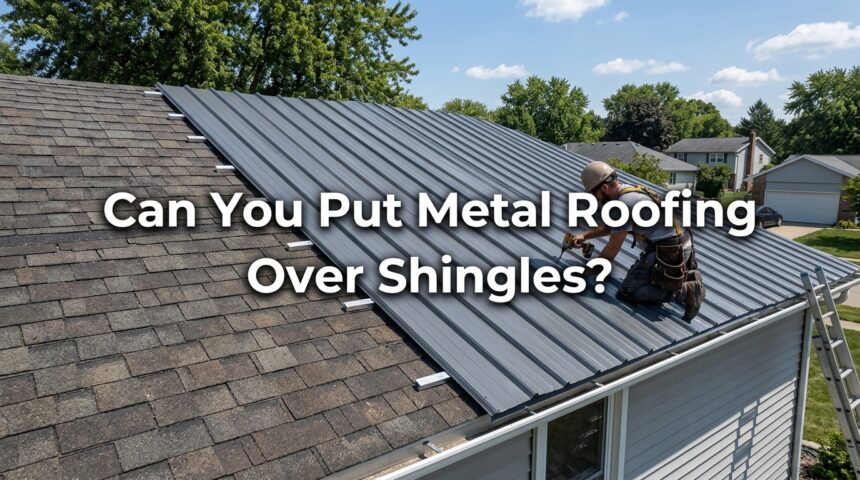
Yes, in most cases you can put metal roofing over shingles, and many homeowners choose this route because it saves money and time compared to a full tear-off. However, this option only works when your local building code allows it, your existing shingles are in flat and stable condition, and your roof deck is strong enough to carry the extra weight.
It is not a decision to make lightly, since skipping proper checks can lead to trapped moisture, structural strain, or a roof that fails earlier than expected. This guide walks you through everything you need to know, from benefits and risks to the exact steps a contractor follows during installation, so you can decide with confidence.
Understanding the Basics
Before deciding whether to install metal panels directly over old shingles, it helps to understand what this process actually involves and why so many homeowners are asking about it. This section breaks down the core idea in simple terms so the rest of the guide makes sense.
What Is a Roof-Over Installation?
A roof-over installation means placing a new roofing material, in this case metal panels, directly on top of an existing shingle layer instead of removing the old roof first.
Contractors typically add a layer of furring strips or synthetic underlayment between the shingles and the metal to create a flat, ventilated surface. This method skips the labor-intensive tear-off process entirely.
Metal Roofing vs Traditional Shingles
Metal roofing panels are rigid, lightweight sheets made from steel, aluminum, or similar alloys, while asphalt shingles are flexible, granule-coated tiles layered across the roof.
Metal roofs generally last two to three times longer than shingles and handle weather extremes better. Understanding this difference explains why so many people upgrade from shingles to metal rather than replacing shingles with more shingles.
Why Homeowners Consider This Option
Most homeowners look into this method because it cuts down on renovation time, reduces landfill waste, and avoids the cost of shingle disposal.
It also means less disruption to daily life since there is no noisy tear-off phase. For many, the appeal is simply getting a durable new roof without the mess of a complete strip-down.
Can You Really Install Metal Roofing Over Shingles?
The direct answer to can you put metal roofing over shingles is yes, but only under the right conditions. Whether it is the right choice for your home depends on a few specific factors explained below.
When It Works Well
This method works well when the existing shingles lie flat, the roof has only one layer already installed, and the decking underneath shows no signs of rot or water damage.
A licensed contractor can inspect these conditions in under an hour. If everything checks out, a roof-over installation is a safe and efficient path forward.
When It Does Not Work
This approach is not suitable when the roof already carries two layers of shingles, since most codes cap roofs at two layers total.
It also fails when shingles are curling, cracking, or missing granules in large patches, because this creates an uneven surface for the metal panels. In these cases, a full tear-off becomes the safer and often mandatory route.
Benefits of Installing Metal Roofing Over Shingles
Choosing to roof over instead of tearing off comes with several practical advantages that make the project faster, cheaper, and less wasteful. The table below summarizes the key benefits before we look at them individually.
| Benefit | Why It Matters |
| Lower labor cost | No time spent removing old shingles |
| Faster completion | Projects often finish in a few days |
| Less debris | Fewer materials sent to landfill |
| Extra insulation | Air gap improves energy efficiency |
| Reduced noise and mess | Less disruption for the household |
Cost Savings
Skipping the tear-off phase removes a major chunk of labor and disposal fees from your total project cost. Roofing crews spend less time on-site, which directly lowers your labor bill. Many homeowners report noticeable savings compared to a full replacement quote.
Faster Installation Time
Because there is no demolition phase, crews can move straight into laying furring strips and mounting metal panels. Most roof-over projects wrap up in a matter of days rather than weeks. This is especially useful for homeowners who want minimal disruption during the process.
Less Mess and Environmental Impact
Tear-offs generate large amounts of shingle waste that typically end up in landfills. Roofing over the existing layer keeps that material in place, reducing the environmental footprint of the project. This makes it a more sustainable choice for eco-conscious homeowners.
Potential Drawbacks and Risks
While roofing over shingles has clear upsides, it also carries risks that need honest consideration before moving forward. Knowing these drawbacks helps you avoid costly mistakes later.
Added Weight and Moisture Concerns
Even lightweight metal panels add extra weight to a structure that already supports a shingle layer, so older homes need a structural check first.
Moisture can also get trapped between the two layers if ventilation is not handled correctly. Over time, trapped moisture can lead to mold growth or wood rot in the decking.
Warranty and Inspection Issues
Installing metal over shingles can void manufacturer warranties on either material if not done according to specification.
It can also make it harder for future inspectors or buyers to assess the true condition of the roof deck. This is worth discussing openly with your contractor and disclosing during any future home sale.
Building Codes and Legal Requirements
Every roofing project involving a roof-over must follow local building regulations, since these rules exist to prevent structural failures. Ignoring this step can lead to fines or forced removal of the new roof later.
Checking Local Codes and Permits
Most municipalities require a permit for any roofing project, including roof-overs, and many enforce a strict two-layer maximum. Contacting your local building department before starting is the safest way to confirm what is allowed in your area. Skipping this step risks having to redo the entire project later.
HOA and Community Restrictions
If you live in a community governed by a homeowners association, there may be additional rules about roofing materials, colors, or installation methods. Some HOAs require pre-approval before any exterior modification. Checking with your HOA early prevents delays once the project is underway.
Conditions Your Roof Must Meet
Not every roof qualifies for this installation method, so a proper inspection is the first real step in the process. The following conditions determine whether your home is a good candidate.
Shingle and Deck Condition
The existing shingles need to lie flat without curling, cracking, or missing sections, since an uneven base leads to an uneven metal roof. The decking underneath also needs to be solid, dry, and free of rot. A contractor will usually check both during the initial site visit.
Structural Load Capacity
Your home’s framing must be able to support the combined weight of the old shingles and the new metal layer. A structural engineer or experienced contractor can confirm this through a load assessment. Skipping this check is one of the most common causes of long-term roofing problems.
The Installation Process
Once a roof passes inspection, the installation itself follows a fairly standard sequence of steps. Understanding this process helps you know what to expect on installation day.
| Step | Description |
| 1. Inspection | Contractor checks shingle and deck condition |
| 2. Base prep | Furring strips or synthetic underlayment installed |
| 3. Ventilation | Air gap created to prevent moisture buildup |
| 4. Panel installation | Metal sheets fastened into place |
| 5. Finishing | Flashing, trim, and edge sealing completed |
Preparing the Base Layer
Contractors either install wooden furring strips or a synthetic slip sheet across the old shingles to create a flat, stable base. This layer also helps generate an air gap that supports proper ventilation. Skipping this step is one of the biggest mistakes in a rushed roof-over job.
Mounting the Metal Panels
Once the base is ready, crews fasten the metal panels according to the manufacturer’s spacing and fastening guidelines. Proper flashing is added around chimneys, vents, and edges to prevent leaks. The final result is a weather-tight surface built on top of the original shingle layer.
Materials Needed
A roof-over project requires specific materials beyond just the metal panels themselves. Knowing what goes into the job helps you evaluate contractor quotes more accurately.
- Furring strips or synthetic underlayment for a flat base
- Metal panels such as standing seam or corrugated sheets
- Corrosion-resistant fasteners rated for metal roofing
- Flashing and trim for edges, valleys, and penetrations
- Sealant designed for metal-to-metal and metal-to-shingle joints
Cost Comparison
Understanding how roof-over pricing compares to a full tear-off helps set realistic expectations for your budget. Several factors influence where your project lands on this scale.
Roof-Over vs Full Tear-Off Pricing
A roof-over installation is typically cheaper upfront since it avoids tear-off labor and disposal fees. A full tear-off costs more initially but gives a completely fresh start with no hidden layer issues. Long-term value depends on how well the existing shingles and deck were maintained before installation.
When You Should NOT Roof Over Shingles
Certain situations make a roof-over a poor choice regardless of cost savings. Recognizing these red flags protects your home from bigger problems down the line.
- The roof already has two layers of shingles installed
- Shingles are curling, cracking, or losing granules heavily
- There are visible signs of water damage or deck rot
- The home’s structure cannot support the added weight
Hiring a Professional vs DIY
Because so much depends on structural safety and proper ventilation, this is generally not a beginner-friendly DIY project. A licensed contractor brings the experience needed to catch problems a homeowner might miss.
Why Professional Installation Matters
Professionals know how to correctly install furring strips, create proper airflow, and apply flashing that actually prevents leaks.
Mistakes in any of these areas can cause expensive damage that is hard to detect until it worsens. The upfront cost of hiring a professional is almost always cheaper than fixing a failed DIY roof-over later.
Maintenance Tips After Installation
Once your new metal roof is installed over the old shingles, a bit of regular upkeep keeps it performing well for decades. Simple habits go a long way in protecting your investment.
- Inspect the attic periodically for signs of trapped moisture
- Keep gutters and vents clear to maintain airflow
- Check flashing and seams annually for wear
- Address any small leaks immediately before they spread
Frequently Asked Questions
Does roofing over shingles void my warranty?
It can, depending on the manufacturer’s terms, so always confirm installation requirements before starting the project.
How long does a roof-over metal installation last?
With proper ventilation and installation, it can last 40 to 70 years, similar to a standard metal roof.
Will this affect my home insurance?
Some insurers may ask about roof layers during underwriting, so it is worth disclosing the roof-over during your policy review.
Can I install this myself?
It is possible but not recommended, since structural and ventilation mistakes are common without professional experience.
Conclusion
So, can you put metal roofing over shingles? In most cases, yes, as long as your roof passes inspection for layer count, shingle condition, and structural capacity.
This method offers real savings in cost, time, and mess compared to a full tear-off, but it comes with risks like trapped moisture and warranty complications if done incorrectly. The safest path forward is a professional inspection followed by expert installation, ensuring your new metal roof performs well for decades to come.
Related Articles
How to Install Shiplap Ceiling: A Complete Step-by-Step Guide
How to Maintain a Roof in Harsh Weather Conditions Complete guide 2026
How Long Does It Take to Install a Garage Door?
How to Measure for a Barn Door: Complete Step-by-Step Guide
How to Disassemble a Sliding Glass Door: Complete Step-by-Step Guide