A roof is the first line of defense against nature, and when storms, snow, heat, or heavy rain strike, it takes the hardest hit. Learning how to maintain a roof in harsh weather conditions is essential for every homeowner who wants to avoid costly repairs and structural damage. This guide breaks down practical, easy-to-follow steps that keep your roof strong regardless of the season.
Why Roof Maintenance Matters in Extreme Weather
Extreme weather puts constant pressure on roofing materials, causing them to weaken faster than normal wear and tear would. Without regular care, small issues can turn into major structural problems that cost thousands of dollars to fix.
The Hidden Cost of Neglect
When a roof is ignored during harsh seasons, minor leaks often go unnoticed until they cause water damage to ceilings, walls, and insulation. Repair costs multiply quickly once moisture seeps into the internal structure of a home. Preventive maintenance is always cheaper than emergency repair work.
Long-Term Structural Impact
Repeated exposure to storms, hail, or intense sun without proper upkeep weakens the roof’s frame over time. This can lead to sagging, cracked beams, or even partial collapse in severe cases. Regular inspection helps catch these problems before they become dangerous.
Inspecting Your Roof Before Weather Changes
Before any harsh season begins, a thorough inspection helps identify weak spots that need attention. This step forms the foundation of any effective roof maintenance plan.
Checking for Loose or Damaged Shingles
Shingles are often the first casualty of strong winds and heavy rain. Walk around your property and look for shingles that are curling, cracked, or missing entirely, since these gaps allow water to penetrate the roof deck.
Examining Flashing and Seals
Flashing around chimneys, vents, and skylights is prone to rusting or loosening over time. A damaged seal in these areas is one of the most common causes of hidden leaks, so checking them closely before storm season saves future headaches.
Looking for Signs of Rot or Mold
Dark patches, soft spots, or a musty smell in the attic often indicate trapped moisture beneath the roofing material. Catching rot early prevents it from spreading to the wooden support structure underneath.
Cleaning Gutters and Drainage Systems
Proper drainage keeps water moving away from the roof instead of pooling on its surface. This section explains why clean gutters are just as important as the shingles themselves.
Removing Debris Regularly
Leaves, twigs, and dirt accumulate quickly in gutters, especially during autumn and after storms. Clogged gutters cause water to back up onto the roof edge, leading to rot and ice damming in colder months.
Ensuring Proper Water Flow
Downspouts should direct water at least a few feet away from the foundation of the house. Poor water flow not only damages the roof edge but can also weaken the foundation over time if left unchecked.
Installing Gutter Guards
Gutter guards reduce the frequency of cleaning by preventing large debris from entering the system in the first place. While they don’t eliminate maintenance entirely, they significantly cut down on the labor involved.
Reinforcing Roof Structure Against Storms
Strong winds and heavy storms test the physical integrity of a roof more than any other weather condition. Reinforcement steps taken in advance can prevent major damage during extreme events.
Securing Loose Materials
Any loose tiles, shingles, or flashing should be nailed down or replaced before storm season arrives. Wind can easily lift unsecured materials, creating openings that let rain pour directly into the home.
Trimming Overhanging Branches
Tree branches hanging over the roof pose a serious risk during high winds, as they can snap and cause significant impact damage. Trimming them back regularly reduces the chance of punctures or dents on the roofing surface.
Adding Extra Support Where Needed
In regions prone to hurricanes or severe storms, additional hurricane straps or reinforced fasteners can be installed to hold the roof structure more securely to the walls. This extra step provides peace of mind in high-risk areas.
Protecting the Roof During Snow and Ice
Cold climates bring their own set of challenges, particularly the weight of snow and the formation of ice dams. Understanding how to manage these conditions protects the roof from cracking or collapsing.
Managing Snow Load
Heavy, wet snow can add significant weight to a roof, especially on flatter designs. Using a roof rake to safely remove excess snow from the ground level prevents unnecessary strain on the structure.
Preventing Ice Dams
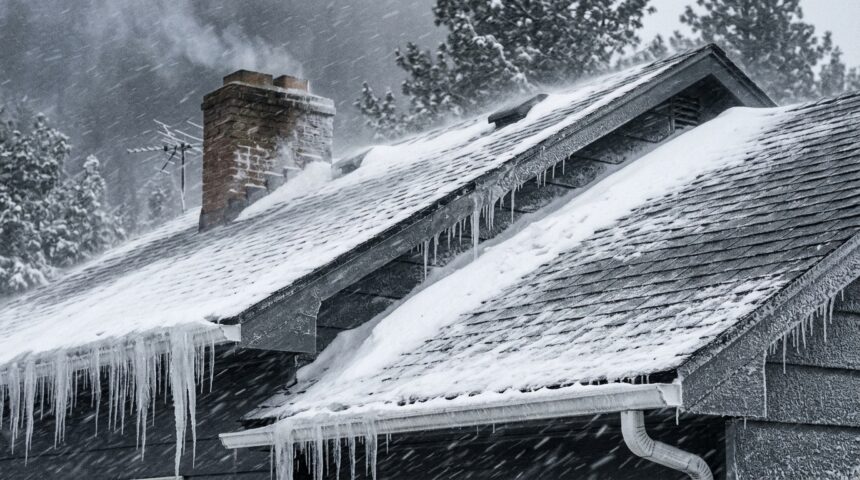
Ice dams form when melted snow refreezes at the roof’s edge, blocking proper drainage and forcing water backward under the shingles. Proper attic insulation and ventilation help maintain an even roof temperature, reducing the chances of ice dam formation.
Insulating the Attic Properly
A well-insulated attic keeps heat from escaping unevenly, which is one of the main causes of snow melting unevenly on the roof. This simple upgrade also improves energy efficiency throughout the colder months.
Shielding the Roof from Intense Heat and Sun
In hot climates, prolonged sun exposure can be just as damaging as storms or snow. UV rays and high temperatures gradually break down roofing materials if proper care isn’t taken.
Choosing Heat-Resistant Materials
Reflective coatings or heat-resistant shingles reduce the amount of thermal stress the roof absorbs during peak summer months. This not only protects the material but also helps lower indoor cooling costs.
Preventing Material Cracking
Extreme heat causes roofing materials to expand and contract repeatedly, which over time leads to cracking or warping. Regular application of protective sealants helps maintain flexibility and reduces this risk.
Improving Attic Ventilation
Good airflow in the attic prevents heat from building up directly beneath the roof deck. Poor ventilation traps hot air, which accelerates the aging process of shingles and other roofing components.
Scheduling Professional Roof Inspections
While homeowners can handle basic checks, professional inspections catch issues that are easy to miss from the ground or even from a ladder. This step adds an extra layer of protection to the overall maintenance routine.
Timing Inspections Around Seasons
Scheduling a professional inspection before and after harsh weather seasons ensures that any damage is caught early. Most roofing experts recommend at least two inspections per year for homes in extreme climates.
Understanding What Professionals Check
Roofing professionals examine structural integrity, hidden leaks, insulation quality, and ventilation systems that are often overlooked during a basic visual check. Their trained eye can spot early warning signs that prevent expensive future repairs.
Quick Reference Table: Seasonal Roof Maintenance Tasks
| Season | Key Maintenance Task | Purpose |
| Spring | Inspect for winter damage | Identify cracks or loosened shingles |
| Summer | Apply protective sealant | Prevent heat-related cracking |
| Autumn | Clean gutters thoroughly | Prepare drainage for rain and snow |
| Winter | Remove excess snow load | Prevent structural strain and ice dams |
Conclusion
Knowing how to maintain a roof in harsh weather conditions gives homeowners the confidence to protect their property against storms, snow, heat, and everything in between. Regular inspections, proper drainage, structural reinforcement, and seasonal care all work together to extend the life of a roof significantly. A small investment of time and effort throughout the year prevents major repair costs and keeps the home safe no matter what the weather brings.
FAQs
How often should a roof be inspected in harsh weather regions?
Homes in extreme climates should have their roofs inspected at least twice a year, ideally before and after the harshest season.
Can I maintain my roof myself, or do I need a professional?
Basic tasks like gutter cleaning and visual checks can be done independently, but structural inspections should be left to trained professionals.
What is the biggest cause of roof damage in storms?
Loose shingles and damaged flashing are the most common entry points for water during heavy storms and high winds.
How does insulation help protect a roof in winter?
Proper attic insulation maintains an even roof temperature, which reduces the risk of ice dams forming at the edges.
Related Articles
Lamp Floor Arc: A Complete Guide 2026
How to Remove Paint from Concrete: Complete Guide 2026
Standard Shower Curtain Size: Complete Guide to Sizes, Types & Measurements