
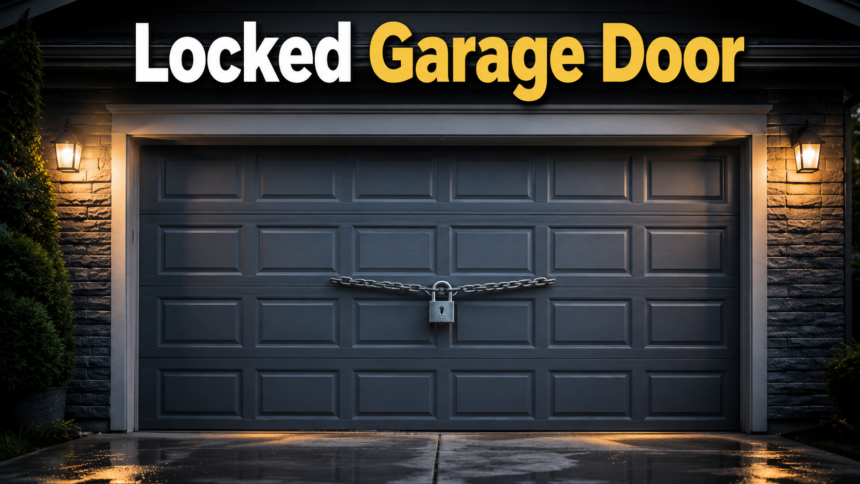
Getting locked out of your own garage is more common than most people think, and it usually happens at the worst possible time. Whether your remote battery has died, the power has gone out, or a manual lock has jammed, knowing how to open a locked garage door can save you a lot of stress.
This guide walks you through every practical method, from simple key checks to emergency release cords, so you can get back inside without damaging your door or hurting yourself. Each section below breaks the process down into small, easy steps that anyone can follow, even without prior mechanical experience.
Understanding Your Garage Door Lock System
Before attempting any fix, it helps to understand what kind of lock your garage door actually has. Garage doors are not all built the same way, and the unlocking method depends heavily on whether your setup is manual or motorized.
Manual Garage Doors vs. Automatic Doors
A manual garage door relies entirely on a physical lock or handle, meaning you open it by hand every time. Automatic doors, on the other hand, use a motorized opener controlled by a remote, keypad, or smartphone app. Knowing which type you have determines whether you should start with the manual release cord or the electronic opener troubleshooting steps.
Types of Locks: T-Handle, Slide Bolt, Keypad, and Smart Locks
Most residential garages use one of four lock styles: a T-handle lock that turns a rod connected to slide bolts, a simple slide bolt lock operated by hand, a keypad lock that needs a numeric code, or a smart lock controlled through an app. Each of these has a slightly different unlocking process, which is covered in detail later in this guide.
How the Garage Door Opener Mechanism Works?
The opener mechanism typically consists of a motor unit mounted on the ceiling, a trolley that slides along a rail, and an arm connecting the trolley to the door itself. When the motor runs, it pulls the trolley forward or backward, which raises or lowers the door. Understanding this basic layout makes it much easier to locate the manual release cord when the motor is not responding.
Safety First: What to Check Before You Begin
Before touching any lock or mechanism, a few safety checks can prevent injury or further damage to your garage door. Rushing into a fix without these precautions often makes the problem worse.
Make Sure the Door Isn’t Physically Damaged
Inspect the tracks, springs, and panels for visible damage before attempting to force the door open. A bent track or broken spring can make manual lifting dangerous, and in such cases, it is safer to call a technician instead of trying to open the door yourself.
Turn Off Power to the Opener for Automatic Doors
If you plan to disengage the motorized system, switch off the power supply to the opener first. This prevents the motor from suddenly activating while you are working near the mechanism, which reduces the risk of accidental injury.
Keep Children and Pets Away from the Door Path
Garage doors are heavy, and a door that suddenly drops or swings can cause serious harm. Always clear the area of children, pets, and any obstacles before you attempt to lift or unlock the door manually.
Basic Tools You Might Need
Having a flashlight, a step ladder, and a screwdriver nearby makes the process smoother, especially if you need to inspect the release cord or lock mechanism in a dimly lit garage. These tools are usually enough for most manual unlocking situations.
Method 1: Using Your Key or Remote
The simplest and most obvious solution is often overlooked in the panic of being locked out. Before trying anything mechanical, check whether a spare key or a working remote can solve the problem quickly.
Trying Spare Keys
Many homeowners keep a spare key hidden somewhere accessible, such as with a neighbor or in a lockbox. Checking these options first can save you the trouble of a manual override, especially if the lock itself is functioning normally.
Replacing Dead Remote Batteries
A remote that suddenly stops working is often just suffering from a dead battery rather than a mechanical fault. Replacing the battery takes only a minute and resolves the issue in a large number of cases without any further troubleshooting needed.
Re-Syncing a Remote That Isn’t Responding
If a new battery doesn’t fix the problem, the remote may have lost its connection to the opener. Most openers have a small “learn” button near the motor unit that allows you to re-sync the remote by pressing it briefly and then pressing the remote button as instructed in the manual.
Method 2: Using the Manual Emergency Release Cord
Almost every automatic garage door opener includes a manual override designed exactly for situations like this. This cord disconnects the door from the motor so it can be opened purely by hand.
Locating the Red Release Cord
Look for a red rope or handle hanging from the trolley rail near the motor unit, usually close to the top of the door when it is closed. This cord is a standard safety feature required on nearly all residential garage door openers.
Step-by-Step: How to Pull and Disengage the Trolley?
Pull the cord straight down firmly until you hear or feel a click, which indicates the trolley has disconnected from the drive mechanism. Once disengaged, the door is no longer connected to the motor and can be moved freely by hand.
Manually Lifting the Door Safely
With the trolley disengaged, grip the door firmly at the bottom and lift it evenly using your legs rather than your back to avoid strain. The door should move smoothly if the springs are functioning correctly, so stop immediately if you feel unusual resistance.
How to Reconnect the Opener Afterward?
Once power is restored or the underlying issue is fixed, simply run the opener again, and the trolley will usually reconnect automatically. If it doesn’t reconnect, you can manually guide it back into the track slot to restore normal automatic operation.
Method 3: Using the Outside Emergency Key Release
Some garage doors include an external lock cylinder specifically for emergency situations, allowing entry from outside without needing to access the release cord inside.
What Does an Emergency Key Release Lock Look Like?
This is typically a small lock cylinder mounted near the top of the door on the outside, often covered by a small removable panel. It connects directly to the release mechanism inside, offering a way to disengage the trolley from outside the garage.
Step-by-Step: Unlocking From Outside
Insert the emergency key into the cylinder and turn it as directed, which pulls a cable that releases the trolley from the door. Once released, you can lift the door manually just as you would from the inside release method.
Precautions When Using This Method
Since this method bypasses the motor entirely, make sure no one is standing directly beneath the door while lifting it. Also, remember to reset the release mechanism properly afterward so the automatic opener functions normally again.
Method 4: Dealing with a Manual T-Handle or Slide Lock
Older or purely manual garage doors often rely on a T-handle or slide bolt system instead of a motorized opener, and these require a slightly different unlocking approach.
Identifying If This Type of Lock Is Engaged
Check both sides of the door for horizontal metal rods extending from a central handle into the track. If these rods are extended into the track holes, the lock is engaged and must be manually retracted before the door can move.
How to Unlock It From Inside or Outside?
Turn the T-handle or slide bolt lever to retract the metal rods from the track, which frees the door to move along its rails. If the lock is accessible only from inside, you may need an alternate entry point to reach it first.
Common Issues Rust and Misalignment and Fixes
Rust or dirt buildup can cause the rods to stick even after turning the handle, so applying a small amount of lubricant often solves this. Misalignment between the rod and the track hole may require gently adjusting the bracket with a screwdriver.
Method 5: Resetting or Reprogramming the Opener
If your remote or keypad seems completely unresponsive despite fresh batteries, a full reset of the opener system may be necessary to restore normal function.
When to Consider This Method
This step is worth trying when the opener motor runs but doesn’t respond correctly to any remote or keypad input. It is also useful after a power outage, which can sometimes clear the opener’s stored programming.
Step-by-Step Reset Process
Locate the reset or “learn” button on the motor unit, usually near the antenna, and hold it until the indicator light blinks or turns off. The exact process varies slightly by brand, so checking your opener’s manual for precise instructions is recommended.
Reprogramming a New Remote or Keypad Code
After resetting, press the learn button once and then quickly press the button on your remote or enter a new code on the keypad. The opener light will usually flash to confirm the new programming has been accepted successfully.
What to Do If Nothing Works?
Sometimes none of the manual or electronic methods solve the problem, and that’s a clear sign the issue may be mechanical or beyond a simple fix.
Signs You Need Professional Help
If the door won’t budge even after disengaging the trolley, or if you notice bent tracks, broken springs, or a damaged cable, stop attempting to force it open. These issues can be dangerous to handle without proper training and tools.
Calling a Locksmith
A locksmith can help specifically when the physical lock cylinder itself is broken, jammed, or has a missing key with no spare available. They can often create a new key or bypass the lock without damaging the surrounding hardware.
Contacting a Garage Door Technician or Manufacturer
For motor, spring, or track-related problems, a certified garage door technician is the safer option since they have the right tools and experience. Manufacturers can also guide you toward authorized service providers if your opener is still under warranty.
Warranty Considerations
Attempting a DIY repair on certain components may void your warranty, so it’s worth checking your opener’s documentation before disassembling anything. Contacting the manufacturer first can save you unexpected repair costs down the line.
Preventing Future Lockouts
Once you’ve solved the immediate problem, a few simple habits can help you avoid facing a locked garage door again in the future.
| Prevention Tip | Why It Helps |
| Keep a spare key or remote accessible | Avoids full lockout situations |
| Replace batteries on a schedule | Prevents sudden remote failure |
| Perform regular maintenance checks | Catches rust or misalignment early |
| Install a keypad or smart lock backup | Provides an alternate entry method |
Keeping Spare Keys or Remotes Accessible
Storing a spare key with a trusted neighbor or in a secure lockbox outside the garage gives you a reliable backup option. This simple step alone prevents a large percentage of common lockout situations.
Regular Maintenance Tips
Periodically inspect the tracks, hinges, and lock mechanism for rust, dirt, or looseness, and lubricate moving parts as needed. Regular checks catch small issues before they turn into a full lockout emergency.
Installing a Keypad or Smart Lock Backup
Adding a keypad entry system gives you a way into the garage even if your remote fails or gets lost. Smart locks also allow remote troubleshooting through an app, which can be useful when you’re not physically present.
Battery Replacement Schedule
Setting a reminder to replace opener and remote batteries every six to twelve months reduces the chances of sudden failure. This small habit is one of the easiest ways to avoid an unexpected lockout.
Conclusion
Being locked out of your garage doesn’t have to turn into a major ordeal once you understand the available options. From checking spare keys and remotes to using the manual release cord or outside emergency key, most situations can be resolved safely at home.
For anything involving damaged springs, tracks, or motors, calling a professional remains the safest choice to protect both you and your door.
FAQs
Can I open my garage door during a power outage?
Yes, most automatic garage doors have a manual release cord that disconnects the door from the motor, allowing you to lift it by hand even without power.
Is it safe to force open a locked garage door?
Forcing the door without disengaging the lock or trolley can damage the tracks, springs, or panels, so it’s best to use the proper release method first.
How much does a locksmith charge for garage doors?
Costs vary by location and the complexity of the lock issue, so it’s best to get a direct quote from a local locksmith before booking a service.
Can I bypass a smart lock system?
Most smart locks include a manual override or backup key option specifically for situations where the app or keypad becomes unresponsive.
Related Articles
How to Winterize Your Garden Complete guide 2026
Wood Filler for Hardwood Floors: Your Complete Guide
Commercial Garage Door Installation: Complete Guide 2026
Complete Guide to Roof Ventilation for Metal Roofs: Types, Benefits, Installation & Maintenance
Are Nail Pops in Ceiling Dangerous? Full Guide With Causes & Fixes