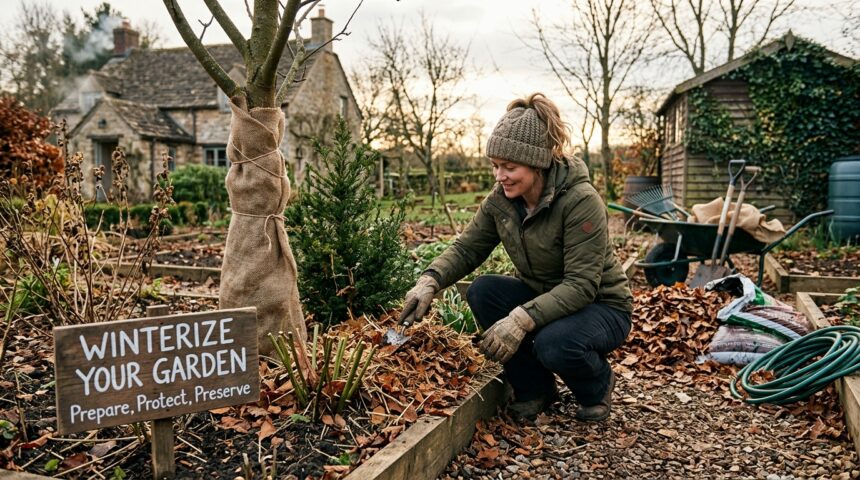
As temperatures start dropping, knowing how to winterize your garden properly makes the difference between a healthy spring bloom and plants that struggle to recover from frost damage.
A little preparation in the fall protects your soil, perennials, and tools through the harshest months of the year.
Clean Up the Garden Beds First
Before any protective work begins, clearing out the season’s leftover growth sets the stage for a healthier garden next year. This step removes hiding spots for pests and disease that would otherwise survive the winter.
Remove Dead Plants and Debris
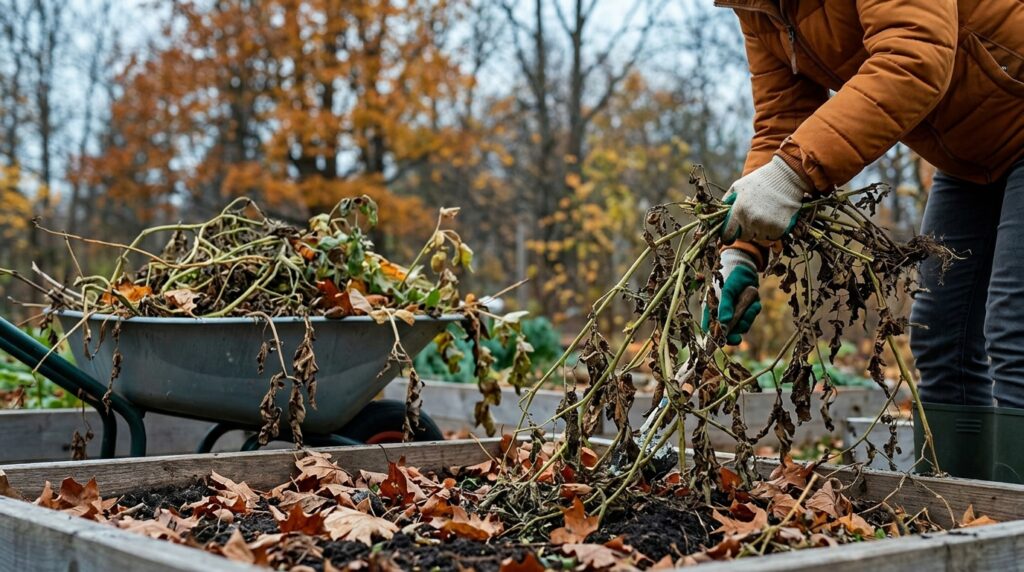
Pulling out spent annuals, fallen leaves, and any diseased plant material prevents fungal spores and insect eggs from overwintering in the soil.
Leaving this debris in place through the cold months often leads to the same problems returning even stronger the following spring. Composting healthy plant matter while discarding diseased material keeps the cleanup both useful and safe for the garden.
Cut Back Perennials
Most perennials benefit from being cut back to a few inches above the soil line once they have gone dormant for the season.
This trimming redirects the plant’s energy toward its roots rather than maintaining old foliage through winter. Some ornamental grasses and seed-bearing plants can be left standing for winter interest and to feed birds, so it is worth checking which of your specific plants prefer this exception.
Weed the Beds Thoroughly
Any weeds left in the garden bed before winter will often survive under snow cover and get a head start growing again once the weather warms.
Pulling weeds now, roots included, is far easier than fighting an established patch in early spring. This step also reduces competition for nutrients once new plants begin growing again.
Protect and Prepare the Soil
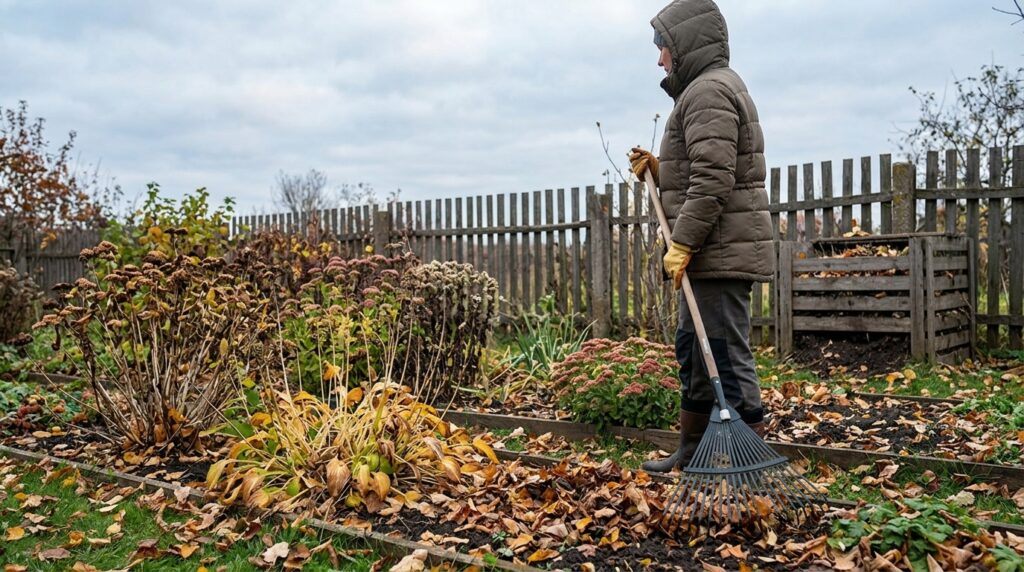
Healthy soil going into winter sets the foundation for strong growth once the growing season returns. This stage focuses on feeding, covering, and testing the ground itself.
Add a Layer of Compost or Mulch
Spreading a two to three inch layer of compost or mulch over garden beds insulates the soil and slowly breaks down to add nutrients before spring planting.
This layer also helps regulate soil temperature swings that can damage plant roots during freeze and thaw cycles. Straw, shredded leaves, or bark mulch all work well depending on what is available and what your specific plants prefer.
Test and Amend Soil pH
Fall is a good time to test your soil’s pH and nutrient levels, since amendments like lime or sulfur need time to work into the ground before the next growing season.
Sending a soil sample to a local extension office or using a home testing kit gives a clear picture of what your garden actually needs. Correcting these levels now means healthier plants without needing quick fixes in spring.
Cover Bare Soil to Prevent Erosion
Leaving soil completely bare through winter invites erosion from rain and melting snow, which can wash away topsoil and nutrients. Cover crops like clover or winter rye planted in fall protect the soil structure and can be tilled under come spring for added organic matter.
Even a simple layer of straw or leaf mulch offers meaningful protection if cover crops are not an option.
Table: Fall Garden Winterizing Tasks by Priority
| Task | Timing | Purpose |
| Clear dead plants and debris | Early fall | Prevent pests and disease |
| Cut back perennials | Mid fall | Redirect plant energy to roots |
| Add mulch or compost | Before first hard frost | Insulate soil, add nutrients |
| Test soil pH | Early to mid fall | Time to amend before spring |
| Protect tender plants | Before first frost warning | Prevent cold damage |
| Drain and store tools | Late fall | Prevent rust and freeze damage |
Protect Vulnerable Plants From Frost
Certain plants need extra attention before the first hard freeze arrives, especially those that are not fully cold-hardy in your climate zone. This section covers how to shield them through the coldest stretches.
Wrap or Cover Tender Shrubs
Shrubs that are borderline hardy for your region can benefit from burlap wrapping or frost cloths during the coldest nights of the season.
This barrier reduces windburn and sudden temperature drops that often cause more damage than the cold itself. Removing the coverings on milder days allows for airflow and prevents moisture buildup underneath.
Bring Potted Plants Indoors
Container plants are far more vulnerable to freezing than those in the ground, since their roots have less insulation from the surrounding soil.
Moving pots to a garage, greenhouse, or indoor space before the first frost protects them through the winter months. For pots too large to move, wrapping the container itself in insulating material offers some added protection.
Mulch Around Plant Bases
Piling extra mulch around the base of perennials and young shrubs protects root systems from the freeze and thaw cycles that can heave plants right out of the ground.
This technique is especially useful for plants that were only recently planted and have not yet developed a deep root system. A four to six inch mound of mulch around the base is usually sufficient for most cold-sensitive plants.
Prepare Tools and Equipment for Storage
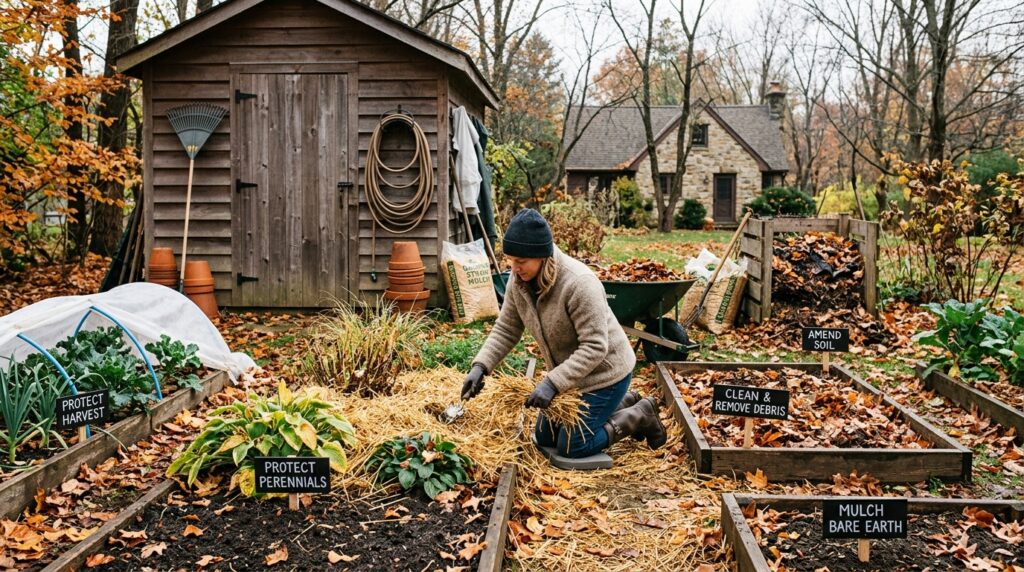
Garden tools and irrigation systems also need attention before winter sets in, since ignoring them can lead to rust, cracked hoses, or damaged equipment. Taking care of this now saves time and money when the growing season starts again.
Clean and Sharpen Tools
Removing dirt and rust from shovels, pruners, and other hand tools before storing them prevents corrosion during the damp winter months. Sharpening blades on pruners and shears now also means they are ready to use immediately come spring rather than needing maintenance later.
A light coat of oil on metal parts adds an extra layer of protection against moisture.
Drain Hoses and Irrigation Lines
Water left inside hoses or irrigation systems can freeze and expand, cracking pipes, fittings, and hose material. Draining all water out and disconnecting hoses from outdoor spigots before the first freeze prevents this costly damage. Storing hoses coiled in a garage or shed rather than leaving them outside also extends their lifespan considerably.
Store Equipment Properly
Lawn mowers, tillers, and other gas-powered equipment often need fuel stabilizer added or fuel drained entirely before long-term winter storage.
Cleaning off grass clippings and dirt before storage also prevents rust and keeps moving parts working smoothly. Keeping all equipment in a dry, covered space protects it from the moisture and temperature swings that cause the most damage over winter.
Conclusion
Learning how to winterize your garden involves a series of manageable steps, from clearing out old plant debris to protecting tender shrubs and properly storing tools before the cold arrives. Taking the time to prepare soil, mulch beds, and shield vulnerable plants now pays off with healthier growth and fewer surprises when spring planting begins.
A little consistent effort each fall keeps both your garden and your equipment in far better shape through the winter months.
FAQs
When should I start winterizing my garden?
Most winterizing tasks should begin in early to mid fall, well before the first hard frost, so soil amendments and plant preparations have time to take effect.
Do all perennials need to be cut back before winter?
Most perennials benefit from cutting back, though some ornamental grasses and seed-bearing plants can be left standing for winter interest and wildlife food.
How thick should mulch be for winter protection?
A layer of two to three inches on garden beds and four to six inches around plant bases usually provides adequate insulation through winter.
Is it necessary to bring potted plants indoors for winter?
Potted plants are more exposed to freezing temperatures than those in the ground, so moving them indoors or to a sheltered space is recommended for anything not fully cold-hardy in your area.
Related Articles
What Is a Composition Roof? A Complete Homeowner’s Guide
Waterproofing Basement Walls From Outside: Complete Guide
How to Store Furniture in a Storage Unit: Complete Guide 2026
Interior Basement Waterproofing: Complete Guide to a Dry & Safe Basement