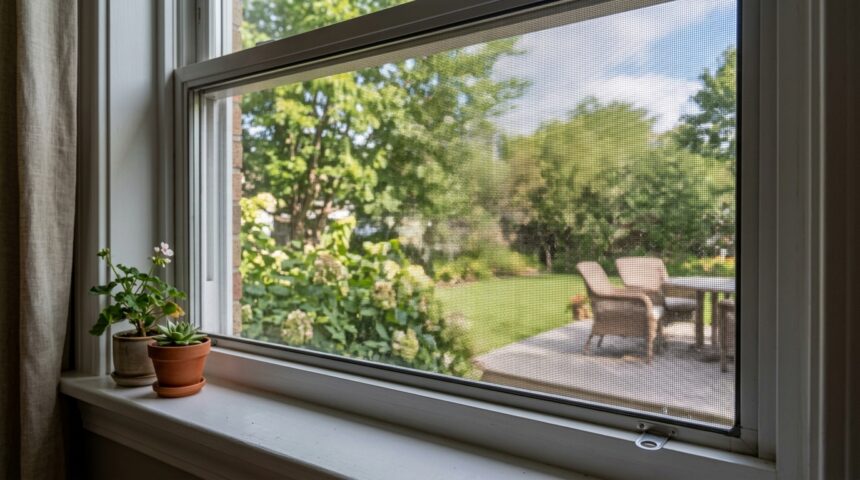
Measuring window screens correctly is essential before ordering a replacement or building a new one, since even minor errors can lead to a poor, ill-fitting result. This guide breaks down the entire measuring process into simple, manageable steps using basic household tools.
Why Precise Measurements Matter
An incorrectly measured window screen can either fall out of the frame or fail to fit properly, allowing insects and debris inside the home. Taking accurate measurements from the start prevents wasted materials and unnecessary do-overs later.
Tools Needed Before Measuring
Having the right tools ready before beginning ensures your measurements remain accurate and consistent throughout the entire process. Most of these items are commonly found around the house already.
Basic Measuring Tools
A steel tape measure, a pencil, and a notepad are the primary tools required for measuring any window screen accurately. A steel tape is preferred over cloth or fabric tape since it won’t stretch or bend during use.
Additional Helpful Tools
A small flathead screwdriver can help remove existing screens from their frame if you need to measure an old one for reference. Having a calculator nearby also helps quickly convert measurements if working with both inches and fractions.
How to Measure Window Screens: Frame Method
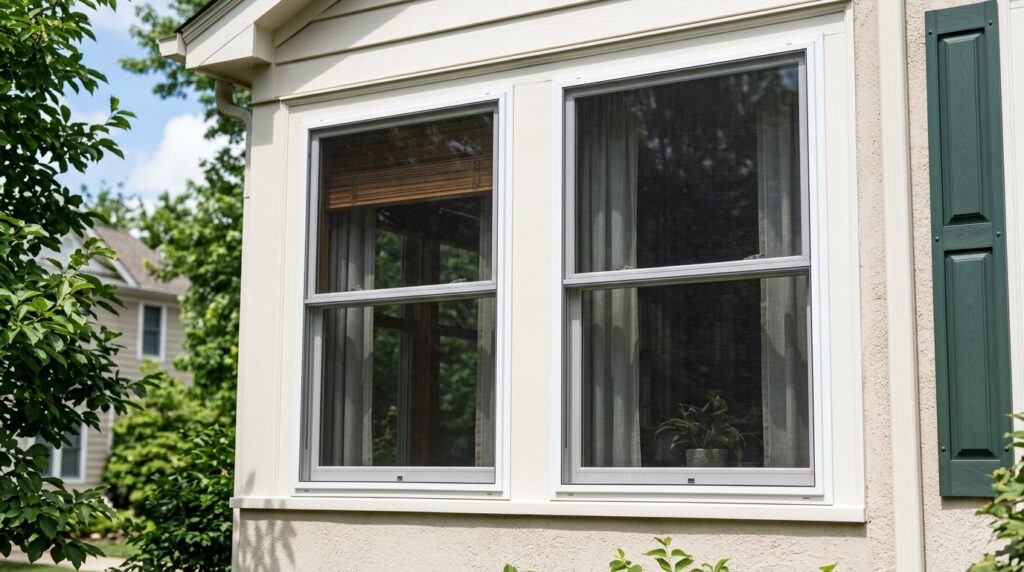
The frame method involves measuring the existing window screen frame itself, which is the most accurate approach when replacing an old or damaged screen. This section explains exactly how to take these measurements correctly.
Measuring Screen Frame Width
Place your tape measure across the outer edge of the screen frame, measuring from the outside of one side rail to the outside of the other. Record this number precisely, as even a small fraction of an inch difference can affect how well the screen fits back into place.
Measuring Screen Frame Height
Repeat the same process vertically, measuring from the outside top edge of the frame down to the outside bottom edge. Write both measurements down together, since screen sizes are typically ordered or built using width by height format.
How to Measure Window Screens: Window Opening Method
When no existing screen frame is available for reference, measuring the actual window opening becomes necessary instead. This method requires slightly more attention to detail since you’re working directly with the window channel itself.
Measuring the Channel Width
Measure horizontally between the two side channels or tracks where the screen frame normally sits, taking this measurement at the top, middle, and bottom of the opening. Use the smallest of these three measurements, since window openings are sometimes slightly uneven due to age or settling.
Measuring the Channel Height
Measure vertically from the top of the channel track down to the bottom sill area where the screen rests when installed. As with width, checking this measurement at both the left and right sides helps account for any minor frame irregularities.
Measuring Screen Frame Depth
Depth measurement is often overlooked but plays an important role in ensuring the screen frame fits properly within the window channel. This step prevents issues with screens that are too thick or too thin for the available space.
Checking Channel Depth
Measure the depth of the channel groove where the screen frame slides into place, from the front edge to the back stop. This measurement determines whether a standard depth screen frame will work or if a custom option is needed.
Matching Frame Thickness
Compare your channel depth measurement against the thickness of available screen frame materials before making a purchase. Choosing a frame that’s too thick can prevent the screen from sliding smoothly into its designated track.
Standard Window Screen Size Reference
Understanding standard sizing options helps set realistic expectations once your measurements are complete. Below is a table showing common window screen sizes typically available at hardware stores.
| Standard Width | Standard Height | Common Usage |
| 24 inches | 36 inches | Small single-hung windows |
| 30 inches | 48 inches | Standard double-hung windows |
| 36 inches | 60 inches | Larger residential windows |
| Custom sizes | Varies | Older or non-standard homes |
Matching Your Measurements to Standard Sizes
Compare your recorded width and height against these standard sizes to see whether a pre-made screen kit will work for your window. If your measurements fall slightly outside these ranges, a custom-cut frame may be the more reliable option.
When Custom Sizing Becomes Necessary
Older homes or uniquely shaped windows often require custom screen sizing since their openings don’t match modern standard dimensions. In these situations, building a screen from individual frame pieces cut to size ensures a proper fit.
Common Measuring Mistakes to Avoid
Even careful homeowners sometimes make small errors that lead to ordering or building the wrong size window screen. Recognizing these common mistakes ahead of time helps avoid unnecessary frustration.
Measuring Only the Glass Area
Some homeowners mistakenly measure only the visible glass portion of the window rather than the actual frame or channel opening. This mistake often results in a screen that’s noticeably too small once installed.
Forgetting to Account for Channel Clearance
Failing to leave slight clearance within the channel measurement can cause the screen frame to bind or stick when sliding into place. Allowing a small margin ensures smoother operation once the screen is installed.
Competitor Insight Analysis
Most existing guides on this topic only explain frame width and height while ignoring depth and channel clearance entirely. This article improves on that by covering every critical measurement point, helping readers avoid common fitting mistakes that competitors often overlook.
FAQs
Q1: Should I measure the old screen or the window opening directly?
If an old screen is available, measuring it directly is usually more accurate and convenient.
Q2: What if my measurements fall between two standard sizes?
In this case, opting for a custom-cut screen frame is generally the safer choice.
Q3: Do all windows use the same screen measuring method?
Most standard windows follow the same basic method, though certain styles may require slight adjustments.
Q4: How much clearance should I leave when measuring channel depth?
A small margin of about one-eighth of an inch is typically sufficient for smooth sliding.
Conclusion
Measuring window screens accurately involves checking width, height, and depth at multiple points to account for natural variations in frame or channel openings. By following this structured approach, homeowners can confidently order or build the correct screen size for a smooth, hassle-free fit.
Related Articles
How To Choose A Roofing Style: Complete Guide 2026
Should Curtains Touch the Floor? Complete Guide
White Oak Cabinets: A Complete Guide 2026