Choosing the right roof is one of the biggest decisions a homeowner makes, since it affects both the appearance and long-term durability of the entire house. Many people wonder how to choose a roofing style that balances aesthetics, budget, and functionality without making costly mistakes. This guide breaks down every important factor in simple language, helping you make a confident and informed decision for your home.
Why Roofing Style Selection Matters
The roof is one of the most visible parts of any home, directly influencing curb appeal and overall property value. Choosing the wrong style can also lead to functional problems depending on your local climate conditions.
Impact On Home Appearance
A well-chosen roofing style complements the architectural design of the house, creating a cohesive and visually pleasing look. Mismatched roof styles, on the other hand, can make even a beautifully designed home appear awkward or poorly planned.
Impact On Long-Term Performance
Certain roofing styles handle rain, snow, and wind better than others, directly affecting how long the roof lasts. Selecting a style suited to your regional weather patterns reduces maintenance costs and prevents premature damage over time.
Understanding Your Home’s Architectural Style
Before selecting a roofing style, it’s important to consider how well different roof shapes match your home’s existing architecture.
Matching Roof Style To House Design
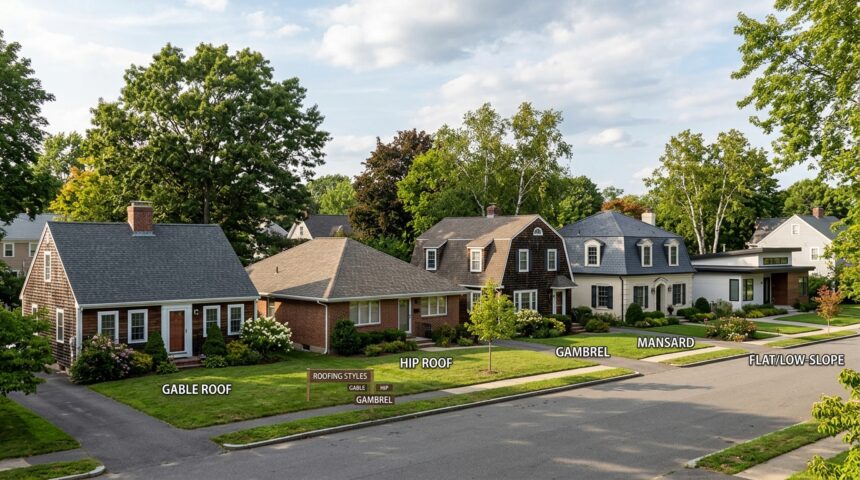
Traditional homes like colonial or cottage-style houses typically pair well with gable or hip roofs that reflect classic design elements. Modern homes, on the other hand, often suit flat or low-slope roofs that emphasize clean, minimalist lines.
Researching Regional Architectural Trends
Looking at neighboring homes in your area can provide useful insight into which roofing styles work well within your local climate and design trends. This research also helps maintain neighborhood consistency, which can positively affect resale value down the road.
How To Choose A Roofing Style Based On Climate
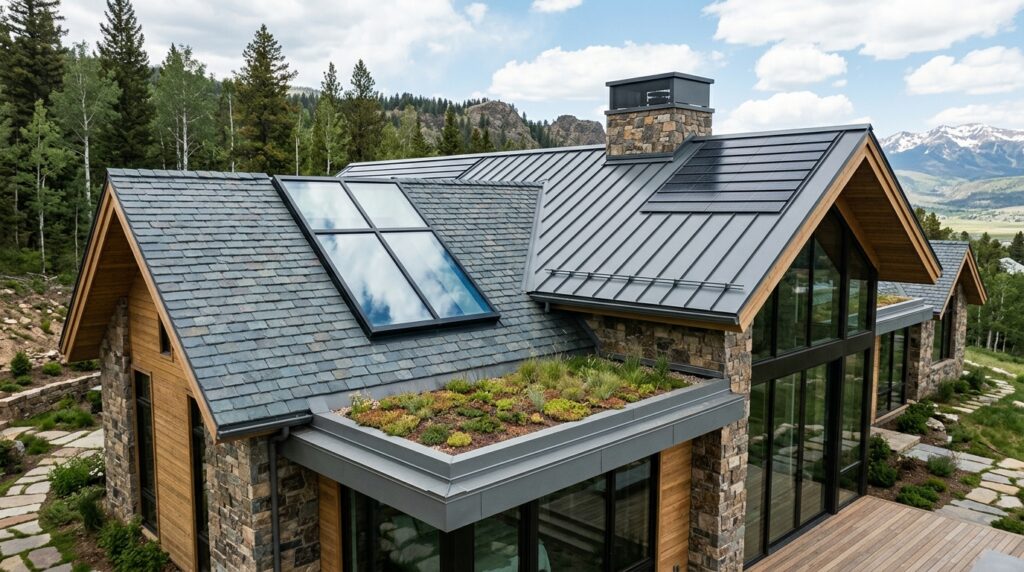
Climate plays one of the most significant roles in determining which roofing style will perform best for your home over time.
Roofing Styles For Rainy Or Snowy Regions
Steep-sloped roofs like gable or A-frame styles allow rain and snow to slide off easily, reducing the risk of water pooling or excess weight buildup. These styles are particularly popular in northern regions where heavy snowfall is common throughout the winter months.
Roofing Styles For Hot Or Dry Climates
Flat or low-slope roofs work well in hot, dry climates since they require less material and can accommodate features like rooftop gardens or solar panels. These roof styles are commonly seen in desert regions and Mediterranean-style homes where rainfall is minimal.
Popular Roofing Styles To Consider
Understanding the most common roofing styles available helps narrow down choices based on personal preference and practical needs.
Gable Roofs
Gable roofs feature two sloping sides that meet at a central ridge, forming a triangular shape at each end of the house. This style is one of the most popular choices due to its simplicity, affordability, and excellent water drainage capabilities.
Hip Roofs
Hip roofs slope on all four sides, meeting at a central point or ridge, providing excellent stability in high-wind areas. This style is often chosen in coastal regions where strong winds and storms are frequent throughout the year.
Flat Roofs
Flat roofs have a minimal slope, giving them a modern and streamlined appearance often seen in contemporary or industrial-style homes. While cost-effective initially, flat roofs require more frequent maintenance to prevent water pooling issues over time.
Mansard Roofs
Mansard roofs feature four sloping sides with two different slopes on each side, creating additional living space within the roof structure itself. This style is commonly associated with French architecture and adds a distinctive, elegant appearance to any home.
Choosing Roofing Materials That Match Your Style
Roofing style and roofing material go hand in hand, as certain materials work better with specific roof shapes and slopes.
Material Options For Steep-Sloped Roofs
Asphalt shingles, wood shakes, and slate tiles are commonly used on steep-sloped roofs due to their durability and water-shedding capabilities. These materials also offer a wide range of colors and textures, allowing for greater customization based on personal taste.
Material Options For Flat Or Low-Slope Roofs
Flat roofs typically use materials like EPDM rubber, TPO membranes, or built-up roofing systems designed specifically for minimal water runoff. These materials are engineered to handle standing water better than traditional shingles, reducing the risk of leaks over time.
Budget Considerations When Choosing A Roofing Style
Cost is often one of the deciding factors when homeowners are figuring out how to choose a roofing style that fits their financial situation.
Comparing Installation Costs
Roofing styles like flat roofs generally have lower installation costs due to simpler construction and fewer materials required. More complex styles like mansard or gambrel roofs tend to cost more because of the additional framing and labor involved.
Long-Term Maintenance Expenses
While some roofing styles have lower upfront costs, they may require more frequent repairs or replacements over their lifespan. Considering both initial installation and long-term maintenance costs together provides a more accurate picture of the total investment.
Roofing Style Comparison Table
The table below provides a quick comparison of popular roofing styles based on cost, climate suitability, and maintenance needs.
| Roofing Style | Best Climate | Cost Level | Maintenance Level |
| Gable | Rainy, snowy regions | Low to moderate | Low |
| Hip | Windy, coastal areas | Moderate | Moderate |
| Flat | Hot, dry climates | Low | High |
| Mansard | Temperate regions | High | Moderate |
Energy Efficiency And Roofing Style
Energy efficiency has become an increasingly important factor for homeowners when selecting a roofing style for their property.
Roof Shape And Insulation Benefits
Steeper roof styles often allow for better attic ventilation and insulation, which helps regulate indoor temperatures more effectively throughout the year. This natural airflow reduces strain on heating and cooling systems, leading to lower energy bills over time.
Solar Panel Compatibility
Flat and low-slope roofs are often preferred for solar panel installation since they allow for flexible panel positioning and easier maintenance access. Homeowners interested in renewable energy options should factor in solar compatibility when selecting their final roofing style.
Working With A Professional Roofing Contractor
Consulting with an experienced roofing contractor can simplify the decision-making process significantly, especially for first-time homeowners.
Getting Expert Recommendations
A professional contractor can assess your home’s structure, local climate, and budget to recommend roofing styles that best suit your specific needs. Their expertise helps avoid costly mistakes that might arise from choosing a style unsuitable for your region.
Requesting Multiple Quotes
Always request quotes from multiple roofing contractors to compare pricing, materials, and estimated timelines before making a final decision. This approach ensures you receive fair pricing while also allowing you to evaluate different professional recommendations.
Conclusion
Understanding how to choose a roofing style involves balancing architectural design, climate suitability, budget, and long-term maintenance needs. From gable and hip roofs to flat and mansard styles, each option offers distinct advantages depending on your specific circumstances. Taking time to research materials, consult professionals, and compare costs ensures your final roofing choice enhances both the beauty and functionality of your home for years to come.
FAQs
What is the most affordable roofing style?
Gable and flat roofs are generally the most affordable options due to their simple construction and material requirements.
Which roofing style works best in windy areas?
Hip roofs are ideal for windy or coastal regions since their four-sided slope provides better wind resistance.
Can roofing style affect home resale value?
Yes, a roofing style that matches the home’s architecture and regional trends can positively impact resale value.
How long do different roofing styles typically last?
Most roofing styles last between twenty and fifty years, depending on the material used and regional weather conditions.
Related Articles
What Is a Composition Roof? A Complete Homeowner’s Guide
Dual Ceiling Fan Guide: Everything You Need to Know Before Buying
Why Does My Bathroom Smell Like Sewage? Causes, Fixes & Prevention Tips
How Do You Hang Wall Cabinets? A Complete Step-by-Step Guide