

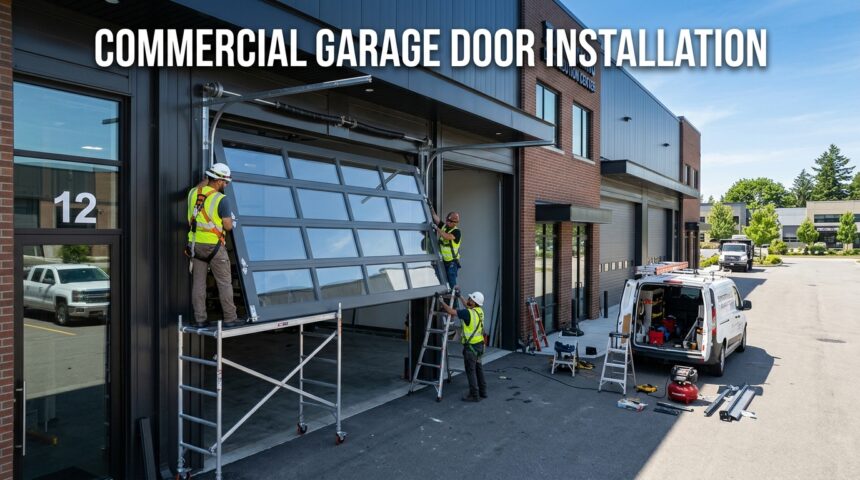
Commercial garage door installation is one of the most important investments a business can make when it comes to security, efficiency, and daily operations. Whether you run a warehouse, retail store, auto repair shop, or manufacturing unit, the right door setup directly affects how smoothly your business functions.
A poorly installed or outdated door can slow down operations, increase energy costs, and even create safety risks for employees and customers. This guide walks you through every stage of commercial garage door installation in simple, easy-to-understand language so you can make confident decisions for your property.
Understanding Commercial Garage Doors
Commercial garage doors are built differently than the doors used in homes, since they are designed for heavier daily use and larger openings. Understanding these differences helps business owners choose equipment that actually matches their operational needs.
Difference Between Residential and Commercial Doors
Residential doors are made for occasional use, usually a few times a day, and are built with lighter materials suited for smaller openings. Commercial doors, on the other hand, are engineered for constant use, larger dimensions, and heavier loads. They also use stronger springs, tracks, and motors that can handle the wear and tear of daily business traffic.
Industries That Rely on These Doors
Many industries depend heavily on commercial garage door installation to keep operations running smoothly. Warehouses use them for loading docks, auto repair shops use them for vehicle bays, and retail stores use them for storage and delivery access. Even fire stations and manufacturing plants rely on these doors because of their durability and ability to withstand frequent operation.
Types of Commercial Garage Doors
Choosing the right type of door is one of the first steps in the installation process, and it depends largely on how the space will be used. Each door type offers different benefits depending on business needs.
Sectional Steel Doors
Sectional steel doors are made of horizontal panels that roll up along a track, folding neatly overhead. They are popular because they are strong, energy-efficient, and available in insulated versions for businesses located in extreme climates.
Rolling or Coiling Steel Doors
Rolling steel doors coil upward into a compact roll above the opening, making them ideal for spaces with limited ceiling clearance. They are known for their durability and are commonly used in industrial settings where security is a top priority.
High-Speed and High-Performance Doors
These doors are designed to open and close much faster than standard models, which helps businesses maintain temperature control and improve workflow efficiency. They are often used in facilities where forklifts or vehicles pass through frequently.
Fire-Rated Doors
Fire-rated doors are built to slow the spread of fire and smoke between different sections of a building. They are required by many local building codes, especially in warehouses and industrial complexes with multiple zones.
Sliding and Bi-Fold Doors
Sliding and bi-fold doors move sideways or fold in sections instead of rolling upward, which makes them a good choice for buildings with low ceilings or unusual openings. They are often chosen for aesthetic appeal in addition to function.
Glass and Aluminum Storefront Doors
These doors combine functionality with a modern look, often used by businesses that want an open, inviting storefront while still maintaining security after hours. They are common in restaurants, showrooms, and retail spaces.
Signs You Need a New Commercial Garage Door
Recognizing the warning signs early can save businesses from costly breakdowns and safety hazards. Paying attention to these signs helps determine when installation or replacement becomes necessary.
Frequent Breakdowns and Repairs
If a door requires repairs more often than usual, it may be more cost-effective in the long run to invest in a new installation. Constant breakdowns can also disrupt daily business operations and lead to lost productivity.
Rising Energy Bills
Old or poorly insulated doors allow air to escape, which forces heating and cooling systems to work harder. This often results in noticeably higher utility bills, making a new, energy-efficient door a smart long-term investment.
Safety and Security Concerns
Doors that no longer close properly or lack modern safety sensors can put employees and inventory at risk. Upgrading to a new system with updated safety features helps protect both people and property.
Pre-Installation Planning
Proper planning before installation prevents costly mistakes and ensures the final result matches the business’s actual needs. This stage involves inspecting the site and setting clear expectations.
Site Inspection and Measurements
Before any installation begins, a professional inspects the opening, ceiling height, and surrounding structure to determine what type of door will fit best. Accurate measurements are essential, since even small errors can cause major installation problems later.
Budget and Material Planning
Setting a realistic budget early helps narrow down material choices, whether that means standard steel, insulated panels, or premium glass options. Planning ahead also allows business owners to compare quotes from different installers without rushing the decision.
Choosing the Right Door for Your Business
Selecting the right door depends on more than just appearance, since usage patterns and climate play a major role in long-term performance. This decision should be based on practical business needs rather than cost alone.
Based on Usage Frequency
Businesses with doors that open and close dozens of times a day need heavier-duty tracks and motors compared to those with occasional use. High-frequency use also increases the importance of choosing high-speed door options.
Based on Climate and Insulation Needs
Businesses located in areas with extreme heat or cold benefit significantly from insulated doors that help regulate indoor temperature. This reduces energy costs while also creating a more comfortable working environment for employees.
The Installation Process Step-by-Step
Understanding the installation process helps business owners know what to expect and how long the project might take. Below is a simplified breakdown of the typical steps involved.
| Step | Description |
| Site Inspection | Technicians assess the opening, structure, and surrounding space |
| Removal of Old Door | If applicable, the existing door is safely removed |
| Frame and Track Installation | New tracks and frames are securely mounted |
| Panel Assembly | Door panels are installed and aligned properly |
| Motor and Opener Setup | Automatic systems are installed and connected |
| Safety Features | Sensors and emergency releases are added |
| Testing and Calibration | The door is tested for smooth, safe operation |
| Final Inspection | A last check ensures everything meets safety standards |
Frame and Track Installation
This stage involves securing the tracks and frame to the building structure, which forms the foundation for the entire door system. Precise alignment during this step ensures the door operates smoothly for years to come.
Motor and Safety Feature Installation
Once the door panels are in place, technicians install the motor system along with safety features like photo-eye sensors and emergency releases. These additions are critical for preventing accidents during daily operation.
Safety Standards and Building Codes
Every commercial garage door installation must comply with local safety regulations to protect both employees and customers. Ignoring these standards can lead to legal issues and increased liability for business owners.
UL 325 Safety Standards
UL 325 is a widely recognized safety standard that governs automatic door operators, ensuring they include features like reversing mechanisms to prevent injury. Compliance with this standard is often required for insurance and legal purposes.
Local Permits and Inspections
Most cities require permits before installation begins, along with a final inspection to confirm the work meets code. Skipping this step can result in fines or complications when selling or leasing the property later.
Cost Factors in Commercial Garage Door Installation
Understanding what influences pricing helps business owners budget accurately and avoid unexpected expenses. Several factors combine to determine the final installation cost.
Door Size and Material
Larger doors and premium materials like insulated steel or glass naturally cost more than standard steel options. The size of the opening also affects labor time and the amount of material required.
Labor and Automation Costs
Professional installation labor varies based on complexity, while adding automation features like motors and remote controls increases the overall price. Businesses should request detailed quotes that break down these costs separately.
Choosing a Professional Installer
Hiring the right installer is just as important as choosing the right door, since even high-quality doors can fail if installed incorrectly. A qualified professional ensures long-term reliability and safety.
Licensing and Experience
Always verify that the installer holds proper licensing and has specific experience with commercial projects, not just residential ones. Experienced installers are more likely to anticipate potential issues before they become costly problems.
Reviews and Multiple Quotes
Reading customer reviews and comparing quotes from at least three installers gives business owners a clearer picture of fair pricing and service quality. This also helps identify installers who consistently deliver reliable results.
Maintenance Tips After Installation
Regular maintenance extends the lifespan of a commercial door and helps avoid unexpected breakdowns. A simple maintenance routine can save significant repair costs over time.
Routine Inspections and Lubrication
Scheduling regular inspections allows technicians to catch minor issues before they turn into major repairs. Lubricating moving parts like rollers and hinges also keeps the door operating smoothly and quietly.
Sensor and Safety Checks
Periodically testing safety sensors ensures they respond correctly, which is essential for preventing accidents. Businesses should never ignore warning signs like delayed sensor response or unusual noises during operation.
Benefits of Professional Installation
Professional installation offers advantages that go far beyond simply having a functioning door. These benefits directly impact daily business operations and long-term costs.
Improved Safety and Security
A professionally installed door reduces the risk of malfunctions that could injure employees or allow unauthorized access. This added security also protects valuable inventory and equipment stored inside the facility.
Long-Term Cost Savings
While professional installation may cost more upfront, it reduces the likelihood of frequent repairs and premature replacement. Energy-efficient doors also lower monthly utility bills over time, making the investment worthwhile.
Common Mistakes to Avoid
Avoiding common mistakes during the installation process helps businesses save time, money, and unnecessary stress. Being aware of these pitfalls beforehand makes the entire process smoother.
DIY Installation Risks
Attempting to install a commercial door without professional help often leads to alignment issues, safety hazards, and voided warranties. Given the size and weight of these doors, professional installation is strongly recommended.
Ignoring Regular Maintenance
Skipping routine maintenance after installation often leads to faster wear and unexpected breakdowns. Setting a maintenance schedule from day one helps protect the investment for years to come.
Frequently Asked Questions
How long does commercial garage door installation take?
Most installations take between one and three days, depending on the size of the door and any structural adjustments needed.
How much does commercial garage door installation cost?
Costs vary widely based on size, material, and automation features, so getting a detailed quote from a local installer is the best way to get an accurate estimate.
Can an existing door be upgraded instead of replaced?
In some cases, upgrading components like the motor or safety sensors is possible, but severely worn doors usually require full replacement for safety reasons.
How often should a commercial door be serviced?
Most manufacturers recommend professional servicing at least twice a year, though high-traffic doors may need more frequent checks.
Conclusion
Commercial garage door installation plays a vital role in keeping business operations safe, efficient, and cost-effective.
By understanding the different door types, planning carefully, and hiring a qualified professional, business owners can avoid common mistakes and enjoy long-term reliability. Taking the time to choose the right door and installer today leads to fewer headaches and lower costs down the road.
Related Articles
How to Store Furniture in a Storage Unit: Complete Guide 2026
Basement Floor Drainage System: Complete Guide
Waterproofing Basement Walls From Outside: Complete Guide
Are Toilet Seats Universal? Complete Guide
Ceiling Refinishing: Complete Guide to Methods, Costs & Best Results