Storing furniture properly requires more than simply placing items into a unit and closing the door, since improper storage can lead to damage, mold, or wasted space. Learning how to store furniture in a storage unit correctly protects your investment while making future retrieval much easier.
This guide walks through every step, from preparation to long-term maintenance.
Choosing the Right Storage Unit Size
Selecting an appropriately sized unit is the first step in ensuring your furniture fits safely without excessive crowding or wasted space. The right size depends on the volume and type of furniture being stored.
Estimating Space Requirements
Before renting a unit, listing out all furniture pieces and their approximate dimensions helps estimate the total space needed accurately. Many storage facilities offer size guides or calculators that match furniture inventories to appropriate unit dimensions.
Considering Future Storage Needs
If additional items might be stored later, choosing a slightly larger unit than currently needed can save the hassle of upgrading or renting a second space down the line. This is particularly useful for those in the middle of moving or renovating, where storage needs can change unexpectedly.
Preparing Furniture Before Storage
Proper preparation significantly reduces the risk of damage during the storage period, especially for wood, upholstered, and metal furniture pieces. Taking time for this step pays off when items are eventually retrieved.
Cleaning Each Piece Thoroughly
Dusting, vacuuming, and wiping down furniture before storage prevents dirt and debris from causing stains or attracting pests during the storage period. Upholstered furniture should be vacuumed thoroughly, while wood pieces benefit from a gentle cleaning solution suited to their finish.
Disassembling Larger Items
Disassembling items like bed frames, tables, and large shelving units not only saves space but also reduces the risk of structural damage during transport and storage. Keeping screws, bolts, and small hardware in labeled bags taped to the corresponding furniture piece prevents lost parts later.
Repairing Minor Damage First
Addressing small issues like loose joints, scratches, or minor structural weaknesses before storage prevents these problems from worsening while the furniture sits unused. This is especially important for wooden furniture, where untreated cracks can expand due to humidity changes over time.
Materials Needed for Furniture Storage
Having the right materials on hand makes the entire process of how to store furniture in a storage unit much smoother and more protective. The table below outlines commonly used materials and their purposes.
| Material | Purpose | Best Used For |
| Moving Blankets | Surface protection | Wood and upholstered furniture |
| Plastic Wrap | Moisture and dust barrier | Mattresses, sofas |
| Furniture Sliders | Easier movement | Heavy items like dressers |
| Cardboard Sheets | Floor protection | Placing under furniture legs |
Protective Covers and Wraps
Moving blankets and plastic wraps protect furniture surfaces from scratches, dust, and moisture while also preventing direct contact between stacked items. Mattresses and upholstered pieces particularly benefit from breathable covers that still allow some airflow to prevent mold growth.
Tools for Safe Handling
Furniture sliders and dollies make moving heavy items significantly easier while reducing the risk of injury or accidental damage during transport. Having these tools ready before the moving day helps streamline the entire process without unnecessary strain.
Arranging Furniture Inside the Storage Unit
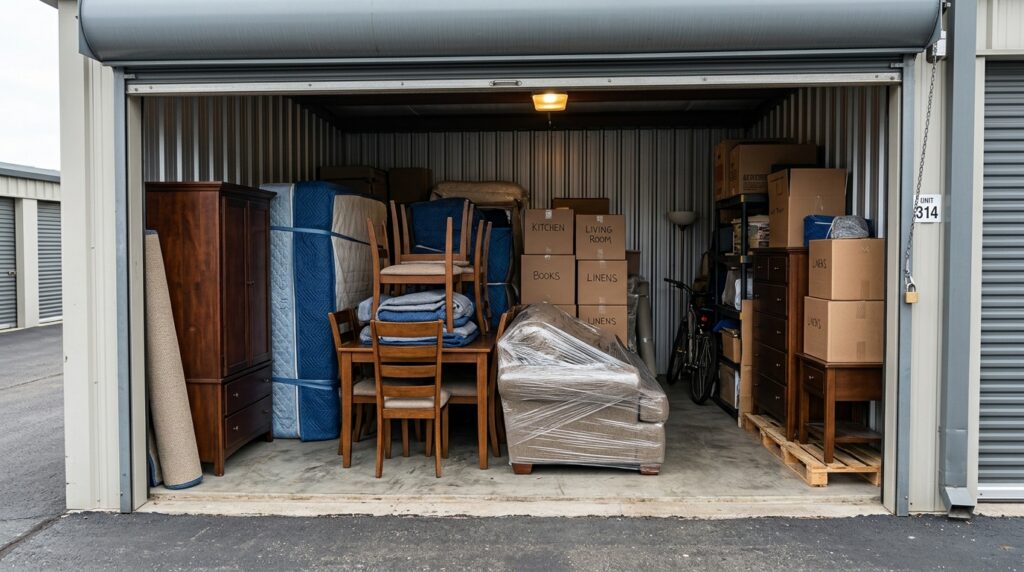
Strategic arrangement inside the unit maximizes space while also protecting furniture from damage caused by improper stacking or placement. This step requires some planning before items are physically moved in.
Placing Heavy Items First
Large, heavy furniture pieces like wardrobes, dressers, and bed frames should be placed at the back of the unit first, since they are less likely to be needed for frequent access. This creates a stable foundation for stacking lighter items on top without risking damage.
Leaving Walking Space
Maintaining a small walkway through the unit allows access to items stored toward the back without needing to move everything else out first. This is especially helpful for long-term storage where certain items might need to be retrieved before others.
Avoiding Direct Wall Contact
Leaving a small gap between furniture and the storage unit walls helps prevent moisture transfer and allows for better air circulation throughout the space. This simple step reduces the risk of mold or mildew developing on furniture surfaces over time.
Protecting Furniture from Environmental Damage
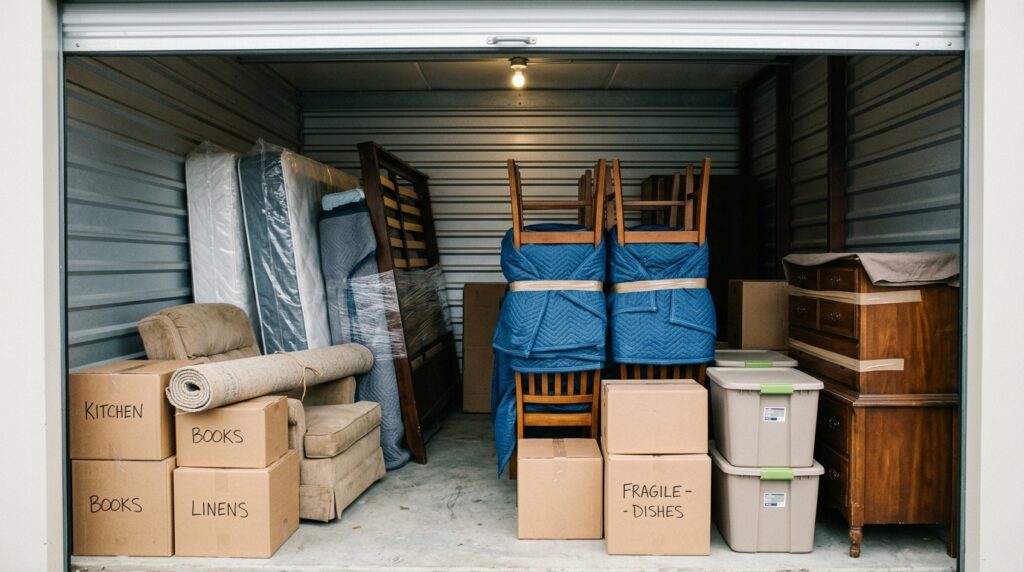
Environmental factors like humidity, temperature, and pests can significantly affect furniture quality during storage if not properly addressed. Taking preventive measures helps maintain furniture condition throughout the storage period.
Managing Humidity Levels
Using moisture absorbers or silica gel packets inside the unit helps control humidity levels that could otherwise lead to warping, mold, or mildew on furniture surfaces. Climate-controlled storage units are also worth considering for wooden or leather furniture pieces sensitive to temperature fluctuations.
Preventing Pest Issues
Avoiding cardboard boxes for long-term storage and instead using plastic bins helps deter pests that are often attracted to cardboard material. Regularly checking on stored items, even during long-term storage, allows early detection of any pest-related issues before they cause significant damage.
Climate-Controlled vs Standard Storage Units
Choosing between climate-controlled and standard storage units depends largely on the type of furniture being stored and regional weather conditions. This decision affects both cost and the level of protection provided.
Benefits of Climate-Controlled Units
Climate-controlled units maintain consistent temperature and humidity levels, making them ideal for wood furniture, leather items, and pieces with delicate finishes. This option is particularly recommended for long-term storage or in regions with extreme seasonal weather changes.
When Standard Units Are Sufficient
Standard units are generally suitable for sturdier furniture pieces like metal frames or plastic items that aren’t as sensitive to environmental fluctuations. Choosing this option can also help reduce storage costs for those on a tighter budget without compromising too much on furniture safety.
Long-Term Storage Maintenance Tips
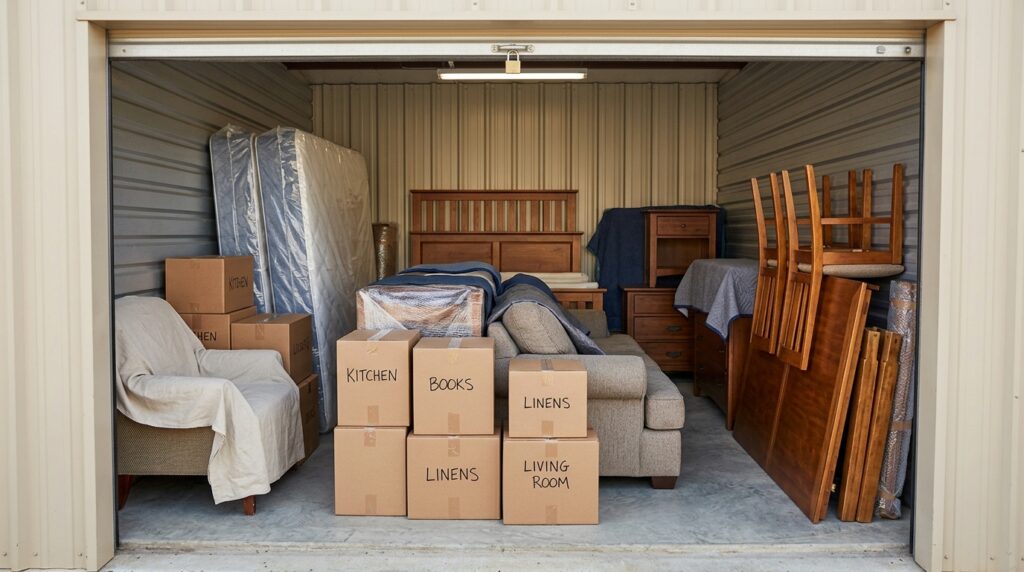
Furniture stored for extended periods requires occasional attention to ensure it remains in good condition until retrieval. These maintenance practices help avoid unpleasant surprises when items are eventually taken out of storage.
Periodic Check-Ins
Visiting the storage unit periodically allows for early detection of any moisture, pest, or structural issues before they become major problems. This is particularly important during seasonal changes when humidity and temperature fluctuations are more likely to occur.
Rotating Covers and Wraps
Occasionally checking and adjusting protective covers ensures they remain effective and haven’t shifted or become damaged over time. This small effort helps maintain consistent protection throughout the entire storage duration.
Common Mistakes When Storing Furniture
Avoiding common mistakes helps ensure furniture remains in good condition throughout its time in storage. Being aware of these pitfalls beforehand saves time and prevents costly damage.
Overpacking the Unit
Cramming too much furniture into a unit without proper spacing increases the risk of scratches, dents, and difficulty accessing items later. Choosing a slightly larger unit than initially estimated often prevents this common issue.
Ignoring Proper Wrapping
Skipping protective wrapping to save time often results in dust accumulation, scratches, or moisture damage that could have been easily prevented. Taking the extra time to wrap and cover furniture properly pays off significantly when items are retrieved later.
Frequently Asked Questions
Should furniture be stored standing up or lying down?
Most furniture, especially sofas and mattresses, should be stored upright when possible to save space and reduce pressure on specific areas.
How often should stored furniture be checked?
Checking stored furniture every few months is generally recommended, especially for long-term storage or climate-sensitive items.
Is climate-controlled storage necessary for all furniture?
Not always, but it’s highly recommended for wood, leather, and antique pieces that are more sensitive to temperature and humidity changes.
Can furniture be stacked in a storage unit?
Yes, but only sturdy, protected pieces should be stacked, with heavier items placed at the bottom and fragile items kept separate.
Conclusion
Knowing how to store furniture in a storage unit properly, from preparation and material selection to arrangement and long-term maintenance, helps protect valuable pieces from damage while maximizing available space. By following these organized steps, furniture can remain in excellent condition throughout its time in storage, ready for use whenever it’s needed again.
Related Articles
Metal Roof Overhang: A Complete Guide to Designing Effective Overhangs
Cracks in Garage Floor: Causes, Types & Complete Repair Guide
How Long Do Vinyl Windows Last? A Complete Guide
Brass Kitchen Faucets: Types, Benefits, Buying Guide, and Maintenance Tips
Why Does My Bathroom Smell Like Sewage? Causes, Fixes & Prevention Tips