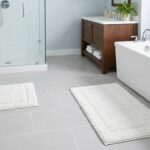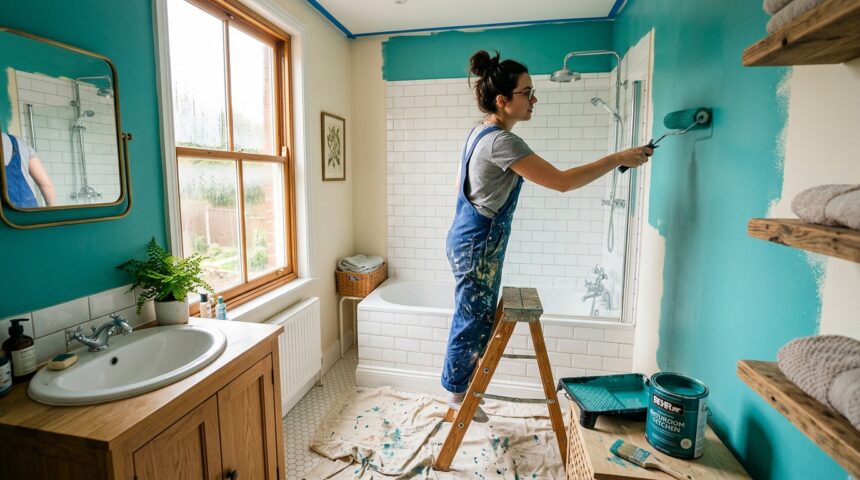
Choosing the right paint for a bathroom is different from picking paint for any other room in the house because bathrooms deal with constant moisture, humidity, and temperature changes. The best choice is usually a paint specifically formulated to resist mold, mildew, and peeling caused by steam and water exposure.
Why Bathroom Paint Needs Special Consideration
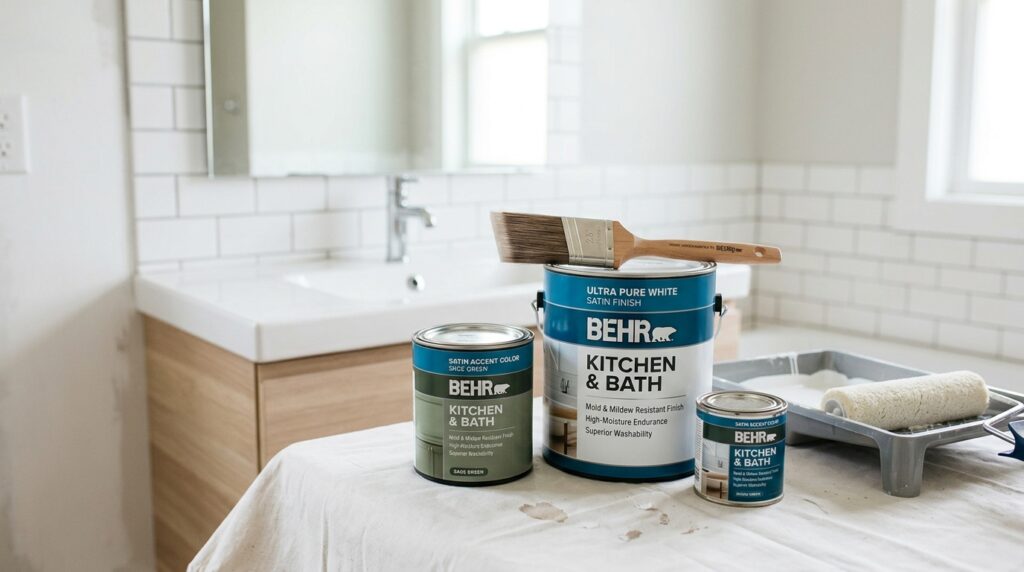
Bathrooms experience high humidity levels from showers and baths, which regular wall paint is not designed to handle over time. This makes it essential to understand which paint properties matter most before making a final decision.
The Impact of Moisture on Regular Paint
Standard wall paint tends to absorb moisture, which can lead to peeling, bubbling, or discoloration in a humid bathroom environment. Over time, this trapped moisture can also encourage mold and mildew growth behind the painted surface. This is why bathrooms require paint with built-in moisture resistance rather than standard interior paint.
The Importance of Proper Ventilation
Even the best bathroom paint performs better when paired with adequate ventilation, such as an exhaust fan or an openable window. Good airflow helps reduce trapped humidity, which extends the lifespan of the paint and reduces the chances of mold formation. Ventilation and paint choice work together to keep bathroom walls looking fresh for a longer period.
Best Paint Finishes for Bathroom Walls
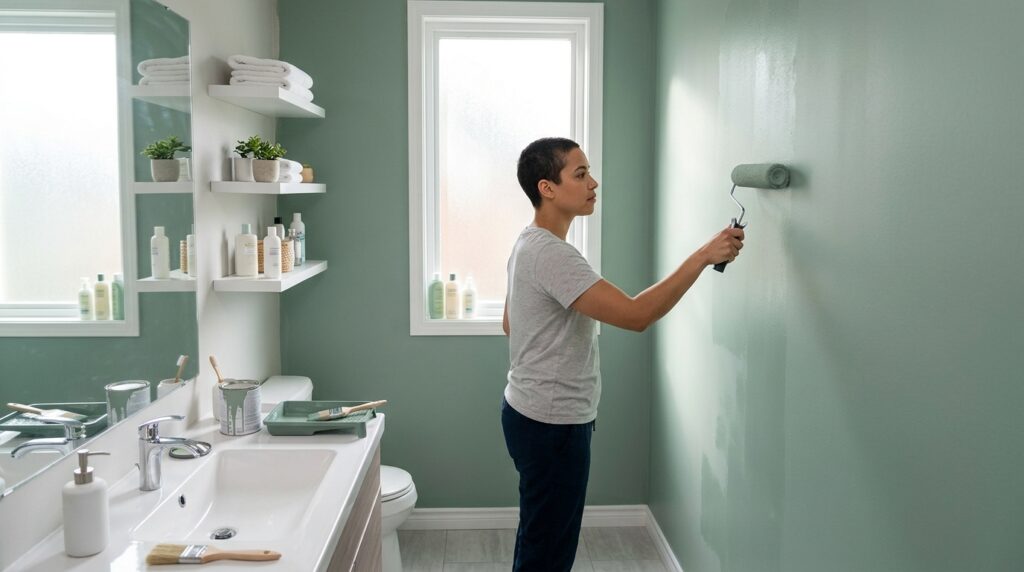
Paint finish, also known as sheen, plays a major role in how well a painted bathroom wall holds up against moisture and daily wear. Some finishes are naturally more water-resistant and easier to clean than others.
Semi-Gloss Finish
Semi-gloss paint is one of the most popular choices for bathrooms because its smooth, reflective surface resists moisture absorption effectively. This finish also makes cleaning easier, since dirt and grime wipe off without soaking into the wall. Many homeowners choose semi-gloss specifically for areas that experience direct water splashes, like near sinks or bathtubs.
Satin Finish
Satin paint offers a slightly softer sheen compared to semi-gloss while still providing decent moisture resistance for bathroom walls. It is often chosen for bathrooms that want a more subtle, elegant look without sacrificing too much durability. This finish works well on walls that are not in direct contact with water but still experience regular humidity.
High-Gloss Finish
High-gloss paint provides the strongest moisture resistance among all finish types, making it ideal for very humid or poorly ventilated bathrooms. Its highly reflective surface can highlight wall imperfections, so smooth surface preparation is especially important before applying this finish. This option is often reserved for trim, cabinets, or accent walls rather than entire bathroom surfaces.
Best Paint Types Based on Bathroom Areas
Different areas within a bathroom experience different levels of moisture exposure, which means paint choice can vary depending on the specific wall or surface being painted.
Paint for Shower-Adjacent Walls
Walls located directly next to showers or bathtubs require the most moisture-resistant paint available, typically semi-gloss or high-gloss finishes. These areas experience frequent water exposure, so a durable, wipeable surface is essential to prevent long-term damage. Specialty bathroom paints with mildew-resistant additives are especially useful in these high-exposure zones.
Paint for Ceiling Surfaces
Bathroom ceilings often collect the most condensation due to rising steam, making mold-resistant ceiling paint an important consideration. Many paint brands offer specific bathroom ceiling formulas designed to handle this concentrated moisture buildup. Choosing the wrong paint here can lead to visible mold spots forming much faster than on vertical walls.
Paint for Low-Moisture Walls
Walls farther from the shower or bathtub, such as those near a vanity or hallway-facing wall, can sometimes use slightly less moisture-resistant paint. However, most professionals still recommend at least a satin finish in these areas due to overall bathroom humidity levels. This approach balances practicality with a slightly softer, more decorative wall appearance.
Table Comparing Bathroom Paint Finishes
| Paint Finish | Moisture Resistance | Best Used For | Cleaning Ease |
| Semi-Gloss | High | Shower and sink walls | Very easy |
| Satin | Moderate | General bathroom walls | Easy |
| High-Gloss | Very High | Trim and accent areas | Very easy |
| Eggshell | Low | Rarely recommended | Moderate |
Specialty Bathroom Paint Options
Beyond standard finishes, there are paint types specifically engineered to handle the unique challenges bathrooms present, offering additional protection against common issues.
Mold and Mildew Resistant Paint
This specialty paint contains antimicrobial additives designed to actively prevent mold and mildew from forming on painted surfaces. It is particularly useful in bathrooms with limited ventilation or those located in especially humid climates. Many major paint brands now offer this as a dedicated bathroom-specific product line.
Moisture-Sealing Primer-Paint Combinations
Some products combine primer and paint into a single moisture-sealing formula, reducing the number of coats needed while improving water resistance. This option is convenient for homeowners looking to simplify the painting process without compromising on durability. These combination products are especially helpful for older bathrooms with existing moisture concerns.
Choosing the Right Paint Color for Bathrooms
While finish and moisture resistance are most important, color choice also plays a role in how a bathroom feels and functions overall.
Light Colors for Small Bathrooms
Light paint colors, such as soft white, pale blue, or light gray, help small bathrooms feel more open and airy. These colors also reflect available light better, which can make windowless or poorly lit bathrooms feel brighter. Light colors paired with a semi-gloss finish create both a spacious feel and practical moisture resistance.
Darker Tones for Larger Bathrooms
Larger bathrooms can often handle deeper paint colors, such as navy, forest green, or charcoal, without feeling cramped or overwhelming. These bolder tones add character and sophistication, especially when balanced with lighter fixtures or tile work. Darker colors also tend to hide minor water spots or splashes better than very light shades.
Common Mistakes to Avoid When Painting a Bathroom
One common mistake is choosing a flat or matte finish, which absorbs moisture easily and is difficult to clean compared to glossier options. Skipping proper surface preparation, such as cleaning and priming walls beforehand, can also cause paint to fail prematurely in humid conditions. Another frequent oversight is neglecting ventilation improvements, which can shorten the lifespan of even the best-quality bathroom paint.
Final Thoughts
Selecting the right paint for a bathroom comes down to prioritizing moisture resistance, choosing an appropriate finish, and considering the specific humidity levels of different wall areas. Semi-gloss and satin finishes remain the most reliable choices for most bathroom walls, while specialty mold-resistant paints offer extra protection in particularly humid spaces. With the right paint choice and proper ventilation, bathroom walls can stay durable, clean, and visually appealing for many years.
Frequently Asked Questions
Is semi-gloss paint always the best choice for bathrooms?
Semi-gloss is generally the safest choice due to its strong moisture resistance, though satin can work well in lower-humidity areas.
Can regular wall paint be used in a bathroom?
Regular paint is not recommended, since it lacks the moisture resistance needed to prevent peeling and mold growth over time.
Does bathroom ceiling paint need to be different from wall paint?
Yes, ceilings often require specialized mold-resistant paint due to concentrated condensation from rising steam.
Do darker paint colors work well in small bathrooms?
Darker colors can work in small bathrooms, but light colors are generally more effective at making the space feel open and bright.
Related Articles
How to Hang a Rug on the Wall: Step-by-Step Methods for Every Rug Type
How Long Do Vinyl Windows Last? A Complete Guide
Are Toilet Seats Universal? Complete Guide