

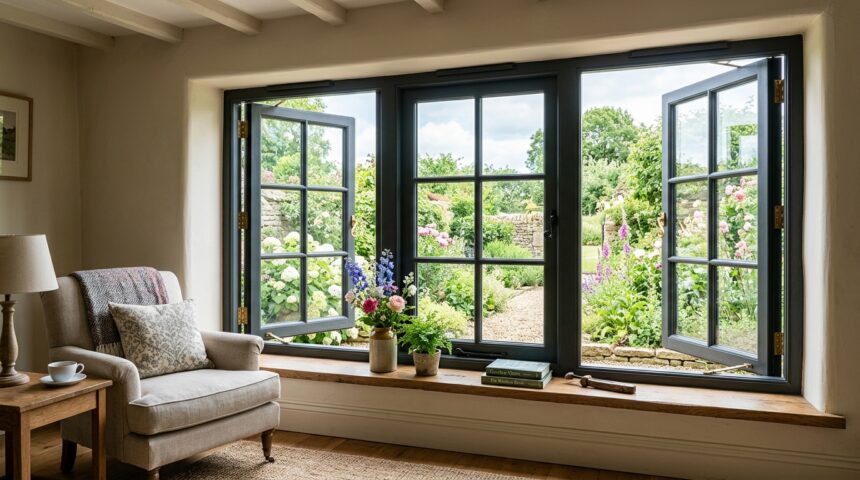
Casement windows are a popular window style known for their unique hinged opening mechanism and excellent ventilation capabilities. This guide explains everything about their design, function, benefits, and how they compare to other common window types.
Why Homeowners Choose Casement Windows
Many homeowners prefer casement windows for their ability to open fully outward, allowing maximum airflow compared to traditional sliding windows. Their clean, modern appearance also makes them a popular choice for both contemporary and traditional home designs.
Understanding What Are Casement Windows
Casement windows are essentially hinged windows attached to their frame on one side, opening outward like a door when cranked or pushed open. This basic design difference sets them apart significantly from double-hung or sliding window styles.
Basic Structure and Design
A casement window consists of a sash attached to the frame using hinges, typically on either the left or right side, allowing it to swing outward. Most modern versions include a hand crank mechanism that makes opening and closing smooth and effortless.
How the Opening Mechanism Works
Turning the crank handle rotates a gear mechanism connected to an arm that pushes the window sash outward or pulls it back inward. This mechanism allows precise control over how far the window opens, unlike sliding windows that offer limited adjustment.
Types of Casement Windows
Casement windows come in several variations designed to suit different architectural needs and functional preferences. Understanding these types helps homeowners choose the right option for their specific space.
Single Casement Windows
A single casement window features one sash that opens independently, making it ideal for smaller spaces like bathrooms or narrow wall sections. This type is straightforward in design and typically more affordable than multi-panel options.
Double or French Casement Windows
Double casement windows consist of two sashes hinged on opposite sides that open outward together without a center frame dividing them. This design creates a wider unobstructed opening, making it popular for larger living room or kitchen installations.
Key Features and Benefits of Casement Windows
Casement windows offer several practical advantages that make them stand out among other window styles available today. This section covers the most notable benefits homeowners commonly appreciate.
Superior Ventilation Control
Because casement windows open fully outward, they can catch and direct breezes into the home more effectively than sliding or double-hung windows. This makes them particularly useful in rooms where maximum airflow is a priority, such as kitchens.
Energy Efficiency Advantages
The compression seal design of casement windows, where the sash presses tightly against the frame when closed, creates a stronger barrier against air leakage. This tight seal often results in better insulation and lower energy bills compared to sliding window styles.
Enhanced Security Features
Since casement windows lock by embedding hooks or pins directly into the frame, they are generally more difficult to force open from outside compared to sliding windows. This added security feature makes them a preferred choice for ground-floor rooms.
Casement Windows vs Other Window Types
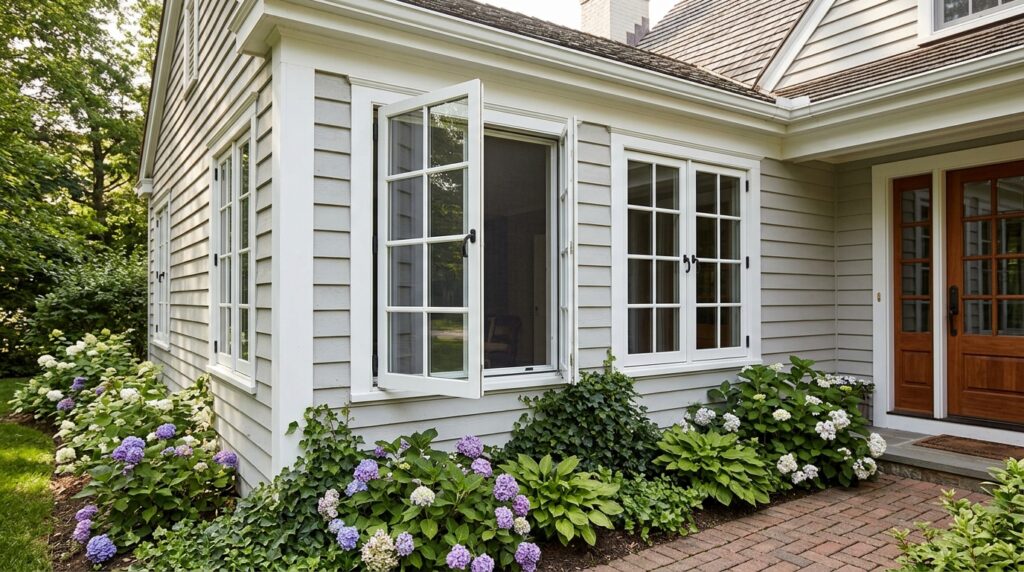
Comparing casement windows to other popular styles helps clarify why homeowners might choose one over another based on specific needs. Below is a simple comparison table followed by detailed explanations.
| Feature | Casement Windows | Sliding Windows | Double-Hung Windows |
| Ventilation | Excellent | Moderate | Moderate |
| Energy Efficiency | High | Moderate | Moderate |
| Ease of Cleaning | Easy from inside | Moderate | Difficult upper sash |
| Security | Strong | Moderate | Moderate |
Casement vs Sliding Windows
Sliding windows move horizontally within a track and generally offer less ventilation control compared to the full outward swing of casement windows. However, sliding windows often require less maintenance since they have fewer moving mechanical parts.
Casement vs Double-Hung Windows
Double-hung windows open vertically with both top and bottom sashes movable, but they typically don’t seal as tightly as casement windows when closed. Casement windows also tend to be easier to clean since the entire sash can swing open for full access.
Ideal Placement for Casement Windows
Choosing the right location for casement windows within a home enhances both their functionality and appearance significantly. This section discusses where these windows perform best.
Kitchen and Sink Areas
Casement windows work exceptionally well above kitchen sinks since their crank mechanism allows easy opening without needing to reach across countertops. Their ventilation strength also helps clear cooking odors and steam quickly.
Hard-to-Reach Locations
Because casement windows can be opened and closed using a simple crank rather than pushing or pulling, they’re ideal for locations above counters, furniture, or other obstacles. This makes them practical for spaces where traditional window operation would be inconvenient.
Maintenance Tips for Casement Windows
Proper maintenance ensures casement windows continue functioning smoothly and maintain their energy efficiency benefits over many years. This section covers simple upkeep practices every homeowner should follow.
Lubricating the Crank Mechanism
Applying a small amount of silicone-based lubricant to the crank gears once or twice a year keeps the opening mechanism operating smoothly. Neglecting this maintenance step can eventually cause the crank to stiffen or become difficult to turn.
Checking Seals and Weatherstripping
Regularly inspecting the rubber seals around the window frame helps catch wear and tear before it leads to drafts or water leakage. Replacing worn weatherstripping promptly preserves the energy efficiency benefits casement windows are known for.
Competitor Insight Analysis
Most existing articles explain casement windows only at a surface level without covering placement advantages or detailed maintenance practices. This guide improves on that by combining structural explanations with practical comparisons and upkeep tips competitors often leave out.
FAQs
Q1: Are casement windows more expensive than sliding windows?
Casement windows are generally slightly more expensive due to their crank mechanism and superior sealing design.
Q2: Can casement windows be opened from outside?
No, casement windows are designed to be operated only from inside using the crank handle.
Q3: Do casement windows work well in windy areas?
Yes, when properly closed, their tight seal actually performs well even in windier climates.
Q4: How long do casement window mechanisms typically last?
With proper lubrication and maintenance, crank mechanisms can last well over fifteen to twenty years.
Conclusion
Casement windows remain a practical and stylish choice for homeowners seeking better ventilation, energy efficiency, and security compared to many traditional window styles. With simple ongoing maintenance, these windows can provide reliable performance and lasting value for many years to come.
Related Articles
Bathroom Cabinet Dimensions: Complete Guide 2026
White Oak Cabinets: A Complete Guide 2026
How To Choose A Roofing Style: Complete Guide 2026