

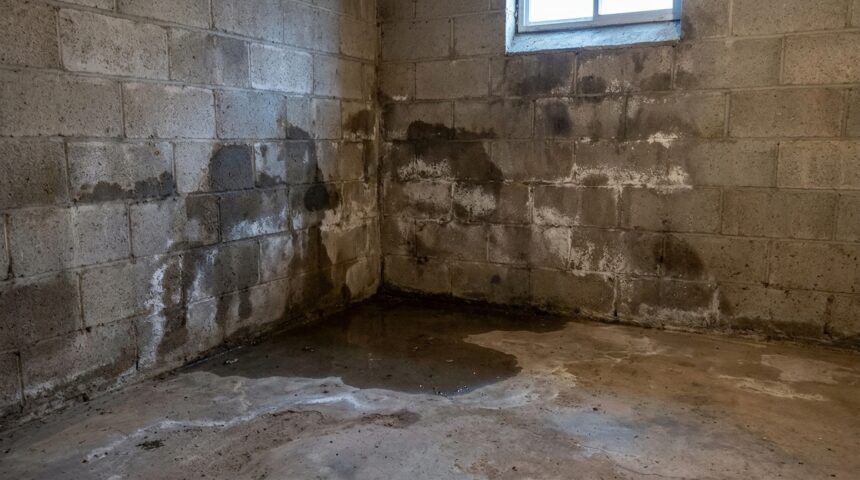
Water seepage into a basement is one of the most common and most damaging problems a homeowner can face. Moisture that enters through exterior walls can weaken the foundation, promote mold growth, and reduce indoor air quality over time. Waterproofing basement walls from outside is widely considered the most reliable long-term solution because it stops water before it ever reaches the concrete surface.
This article explains the entire process, the materials involved, the costs, and why exterior waterproofing remains the gold standard for foundation protection.
Why Waterproofing Basement Walls From Outside Matters
Exterior waterproofing addresses the root cause of moisture problems rather than just treating the symptoms inside the home. It creates a protective barrier directly against the soil-facing side of the wall, preventing water from ever penetrating the concrete.
Prevents Structural Damage
Water that repeatedly soaks into concrete walls causes cracking, spalling, and weakening of the foundation over years of exposure.
When walls are sealed from the outside, hydrostatic pressure from the surrounding soil is redirected away instead of pushing directly against the concrete. This significantly extends the lifespan of the foundation and reduces expensive structural repairs later.
Stops Mold and Mildew Growth
Damp basement walls create the perfect environment for mold spores to thrive, which can spread into living spaces and affect indoor air quality.
By blocking moisture at its source, exterior waterproofing keeps humidity levels lower inside the basement. This is especially important for homes that use the basement as a living area, storage space, or home office.
Protects Property Value
A basement with a history of water damage can significantly reduce a home’s resale value and raise red flags during inspections. Buyers and appraisers view a properly waterproofed exterior wall system as a sign of good maintenance and long-term care. Addressing this proactively often pays for itself when it comes time to sell.
Signs Your Basement Needs Exterior Waterproofing
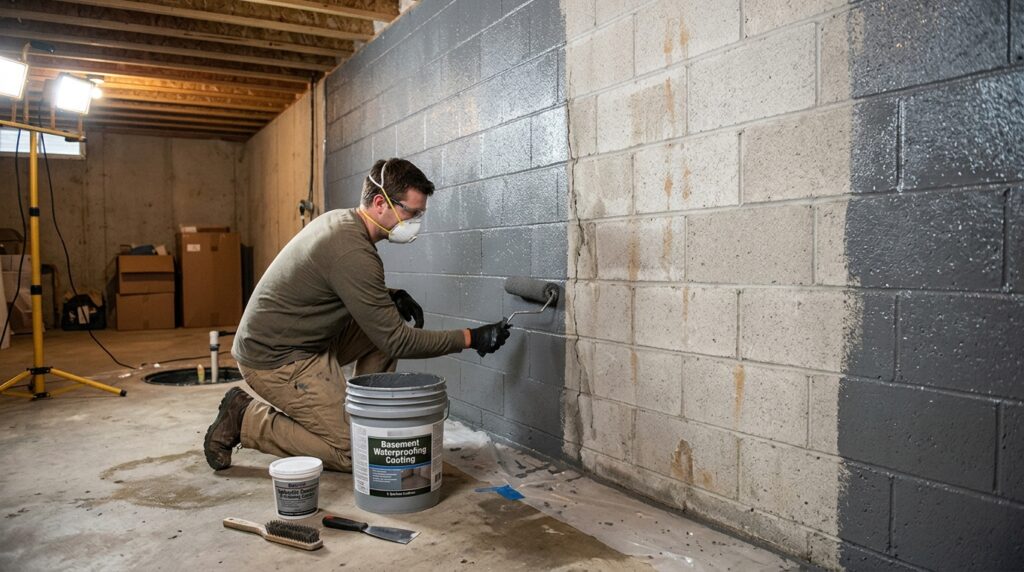
Before starting any project, it helps to recognize the warning signs that indicate exterior waterproofing is necessary rather than a simple interior fix.
Visible Cracks in Foundation Walls
Hairline or widening cracks on basement walls, especially those that appear after heavy rainfall, often indicate that water is pressing against the foundation from outside. These cracks can widen over time if left untreated, eventually allowing active water infiltration. Catching this early makes the waterproofing process faster and less expensive.
Persistent Musty Odors
A musty smell that lingers even after cleaning is often a sign of trapped moisture within the wall structure itself. This odor typically comes from mold or mildew growing in areas that aren’t visible to the naked eye. Exterior waterproofing removes the moisture source that feeds this ongoing problem.
Efflorescence and White Staining
The chalky white residue seen on basement walls, known as efflorescence, forms when water moves through concrete and leaves mineral deposits behind. While not harmful on its own, it’s a clear indicator that water is actively passing through the wall. This is one of the most reliable early signs that exterior sealing is needed.
The Exterior Waterproofing Process Explained
Understanding the actual steps involved helps homeowners know what to expect, whether they hire a contractor or plan the work themselves.
Excavation Around the Foundation
The first step involves digging down along the exterior wall to expose the foundation completely, typically down to the footing. This is labor-intensive and usually requires machinery for anything beyond a small section of wall. Proper excavation is essential because it allows every part of the wall to be inspected and treated.
Cleaning and Repairing the Wall Surface
Once exposed, the wall must be cleaned of dirt, old coatings, and debris before any new material is applied. Any existing cracks or gaps are filled with hydraulic cement or an appropriate sealant to create a smooth, stable surface. Skipping this step often leads to poor adhesion and premature failure of the waterproofing membrane.
Applying the Waterproofing Membrane
A liquid-applied or sheet membrane is then applied directly to the cleaned wall surface to create a continuous, watertight barrier. Common materials include rubberized asphalt coatings, bentonite clay panels, and elastomeric membranes. This layer is the core component that actually stops water from reaching the concrete.
Installing Drainage Systems
Alongside the membrane, a drainage board or French drain system is typically installed to redirect water away from the foundation and toward a sump pump or gravity drain. This reduces hydrostatic pressure buildup against the newly waterproofed wall. Together, the membrane and drainage system work as a complete moisture-management solution.
Backfilling and Grading
After the waterproofing and drainage components are in place, the excavated soil is returned and compacted around the foundation. Proper grading is then established so that the ground slopes away from the house, further reducing water accumulation near the walls. This final step protects the investment made in the waterproofing work itself.
Materials Commonly Used in Exterior Waterproofing
Different materials offer varying levels of protection, durability, and cost, so it helps to compare them directly.
| Material | Durability | Typical Cost Level | Best Suited For |
| Rubberized Asphalt Coating | High | Moderate | Most residential foundations |
| Bentonite Clay Panels | Very High | Higher | Areas with heavy clay soil |
| Elastomeric Membrane | High | Moderate to High | Homes needing flexible, crack-bridging coverage |
| Cementitious Coating | Moderate | Lower | Minor moisture issues, budget projects |
| Sheet Membrane | Very High | Higher | New construction or major renovations |
Choosing the right material often depends on soil type, water table levels, and the overall condition of the existing foundation walls.
Cost Considerations for Exterior Basement Waterproofing
The cost of waterproofing basement walls from outside varies significantly based on several factors, including the size of the home, depth of excavation, and material choice.
Factors That Influence Pricing
Excavation depth, wall length, accessibility of the property, and the condition of the existing foundation all play a role in determining the final cost. Homes with landscaping, patios, or decks near the foundation often require additional work to remove and later restore these features. Soil type also matters, since rocky or clay-heavy soil takes longer to excavate than sandy soil.
Comparing Exterior vs Interior Waterproofing Costs
Exterior waterproofing generally costs more upfront than interior solutions because of the excavation involved, but it addresses the problem at its source rather than managing symptoms. Interior methods, such as sump pumps or interior drain tiles, can be less expensive initially but don’t stop water from entering the wall itself. For long-term protection, especially in homes with recurring water issues, exterior waterproofing is typically the more cost-effective choice over time.
Maintenance Tips After Waterproofing
Once the work is complete, a few simple maintenance habits help preserve the effectiveness of the waterproofing system for many years.
Maintain Proper Grading
Over time, soil can settle and shift the slope of the ground near the foundation, so it’s worth checking periodically that water still drains away from the house. Adding soil where needed keeps the grading effective and reduces strain on the waterproofing membrane. This small task can prevent major issues from developing again.
Clean Gutters and Downspouts Regularly
Clogged gutters cause water to overflow and pool near the foundation walls, undermining even the best waterproofing job. Downspouts should extend several feet away from the house to carry water safely beyond the treated area. This is one of the simplest ways to protect the investment made in exterior waterproofing.
Monitor for New Cracks or Dampness
Even with a properly waterproofed foundation, it’s wise to periodically inspect basement walls for any new signs of moisture or cracking. Catching small issues early prevents them from becoming larger, more expensive repairs. A quick seasonal check, especially after heavy rain, is usually enough.
How Exterior Waterproofing Compares to Other Approaches
Many companies and guides focus heavily on interior solutions like sump pumps or waterproof paint, often glossing over the fact that these methods only manage water after it has already entered the wall. Exterior waterproofing, by contrast, is the only approach that fully prevents water from reaching the concrete in the first place. While it requires more labor and investment initially, it remains the most thorough and lasting solution for homes with persistent moisture problems.
Conclusion
Waterproofing basement walls from outside is a significant but worthwhile investment for any homeowner dealing with moisture issues or looking to prevent them altogether. By addressing water at its source through excavation, membrane application, and proper drainage, this method offers long-term protection that interior fixes simply cannot match. While the upfront cost and labor are higher, the payoff comes in the form of a drier basement, a stronger foundation, and greater peace of mind for years to come.
FAQs
Is waterproofing basement walls from outside better than interior waterproofing?
Exterior waterproofing stops water before it enters the wall, making it more effective for long-term protection compared to interior methods that only manage water after it appears.
How long does exterior basement waterproofing last?
Most quality exterior waterproofing systems last between 10 to 20 years, depending on the material used and how well drainage and grading are maintained afterward.
Can I waterproof my basement walls from outside myself?
While small sections can be tackled by experienced DIYers, the excavation and drainage work involved usually require professional equipment and expertise for a lasting result.
Does exterior waterproofing increase home value?
Yes, a properly waterproofed foundation is often viewed positively by buyers and inspectors, as it reduces the risk of future moisture-related damage.
Related Articles
Cracks in Garage Floor: Causes, Types & Complete Repair Guide
Cathedral Ceiling Support Box Installation Supervent: Full Guide
How to Store Furniture in a Storage Unit: Complete Guide 2026
Roofing Maintenance for Extreme Temperatures : Complete Guide