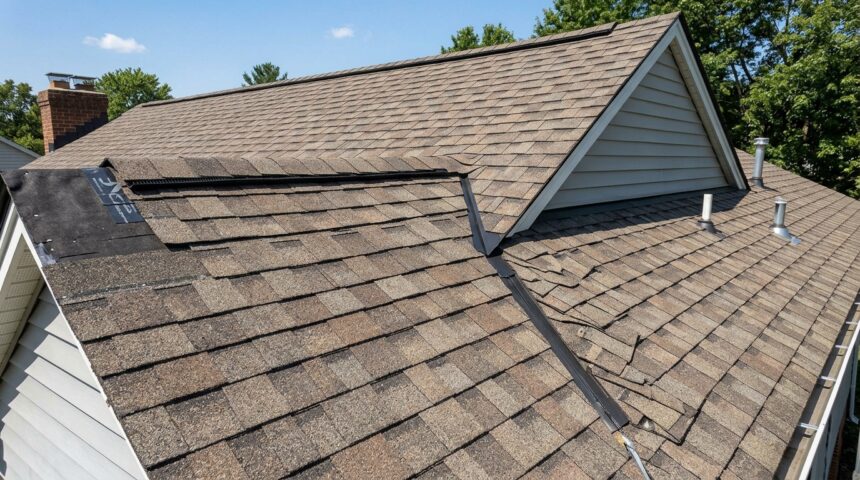
A composition roof is one of the most widely used roofing systems in residential construction today. Built from a blend of fiberglass, asphalt, and mineral granules, it is more commonly known by its everyday name: an asphalt shingle roof.
Homeowners often hear the term used by contractors and neighbors alike, yet many are unsure what actually separates a composition roof from other roofing materials on the market.
This guide breaks down exactly what a composition roof is, how it is constructed, and what you should know before your next roof replacement.
How Is a Composition Roof Built?
A composition roof relies on three bonded layers to deliver strength, weatherproofing, and curb appeal. Understanding each layer helps explain why composition shingles perform the way they do once installed on a roof deck.
Fiberglass Mat Base
The foundation of every composition shingle is a fiberglass mat, a thin but resilient layer that gives the shingle its shape and tear resistance.
Unlike older organic mats, fiberglass does not absorb moisture, which helps the shingle resist warping and fire damage over time. This base layer is what allows manufacturers to produce lightweight shingles without sacrificing structural integrity.
Asphalt Waterproof Coating
Once the fiberglass mat is formed, it gets saturated and coated with asphalt to create a watertight barrier. This coating is what actually keeps rain, snow, and humidity from reaching the roof deck underneath.
The thickness and quality of this asphalt layer largely determines how well a shingle resists cracking and curling as it ages.
Mineral Granule Surface
The top layer of a composition shingle is covered in ceramic-coated mineral granules, which serve two purposes at once. They shield the asphalt underneath from direct UV exposure, slowing down the breakdown that sunlight would otherwise cause.
These granules also give the shingle its color, texture, and the dimensional look found on many modern composition roofs.
What Types of Composition Shingles Are Available?
Not every composition shingle is built to the same standard, and the differences affect both price and performance. Homeowners typically choose from three main grades, each suited to a different budget and durability expectation.
3-Tab Shingles
3-tab shingles are the most basic style of composition roofing, recognized by their flat, uniform pattern and three evenly spaced tabs per strip.
They are the lightest and most affordable option, which makes them popular for rental properties and tight-budget projects. The trade-off is a shorter service life and a flatter appearance compared to higher-tier shingles.
Architectural Shingles
Architectural shingles, sometimes called dimensional shingles, are built with multiple laminated layers that create a thicker, textured profile. This added bulk gives them noticeably better wind and impact resistance than 3-tab shingles, along with a richer, more dimensional look on the roof.
Most homeowners upgrading a primary residence land on this tier because it balances cost with long-term performance.
Luxury Shingles
Luxury shingles sit at the top of the composition roofing lineup and are designed to mimic the appearance of natural slate or cedar shake. They use heavier materials and additional layers to maximize thickness, strength, and resistance to severe weather.
While the upfront composition roof cost is higher, the extended lifespan and premium curb appeal often justify the investment for homeowners planning to stay long-term.
What Determines How Long a Composition Roof Lasts?
The shingle type sets a general range, but several outside factors decide whether a composition roof reaches the high or low end of that range. Professional installation matters more than most homeowners realize, since improperly nailed shingles or poorly sealed flashing can shorten a roof’s life by years regardless of shingle quality.
Attic ventilation is another major factor, since trapped heat causes shingles to age faster from the underside, leading to premature cracking and granule loss.
Climate exposure plays a role as well, with roofs in regions that see intense sun, frequent hail, or heavy snow loads typically wearing faster than those in milder climates. South-facing slopes often show more UV damage than north-facing ones on the very same house.
Consistent maintenance, including debris removal and prompt repair of minor damage, rounds out the list of factors that keep small issues from turning into costly problems that cut a composition roof’s lifespan short.
What Are the Pros and Cons of a Composition Roof?
Composition roofing earns its popularity through a practical mix of affordability and performance, though it isn’t without limitations. The table below summarizes the trade-offs worth weighing before committing to this roofing material.
| Advantages | Drawbacks |
| Lower upfront cost than metal, slate, or tile roofing | Shorter overall lifespan than premium materials |
| Wide range of colors, textures, and styles | Gradual loss of mineral granules with age |
| Resists wind, fire, and UV damage when properly installed | Dark-colored shingles absorb more heat |
| Damaged shingles can be replaced individually | Made from petroleum-based materials |
| Strong return on investment at resale | Performance varies between budget and premium tiers |
Most of these drawbacks become far less significant when a composition roof is installed correctly and paired with adequate attic ventilation. For most homeowners, the bigger consideration is simply matching the shingle tier to how long they plan to stay in the home.
How Much Does a Composition Roof Cost?

Composition roof cost depends heavily on which shingle tier you choose, along with the size and complexity of the roof itself.
The table below offers a general per-square cost range for materials and labor across the three main shingle types, with one square equal to 100 square feet of roofing.
| Shingle Tier | Material Cost (per square) | Installed Cost (per square) |
| 3-Tab | $80-$110 | $300-$450 |
| Architectural | $100-$160 | $400-$600 |
| Luxury | $180-$300 | $550-$900 |
These figures shift based on factors outside the shingle itself, including how steep the roof is, whether old shingles need to be torn off first, and local labor rates in your area. A roof with multiple valleys, dormers, or skylights also takes longer to install, which adds to the final composition roof replacement bill.
Getting a few in-person estimates remains the most reliable way to know what your specific project will cost.
How Does a Composition Roof Compare With Other Roofing Materials?
Composition roofing isn’t the only option on the market, and it helps to see how it stacks up against common alternatives. Here’s how a composition roof compares to three materials homeowners frequently consider.
Composition Roof vs. Metal Roofing
Metal roofing typically lasts 50 years or more, far outpacing even luxury composition shingles, and it reflects heat rather than absorbing it.
That extended lifespan comes at a much higher upfront cost, often double or more what composition roofing runs per square. For most homeowners, composition shingles remain the easier and more affordable choice unless long-term energy savings are the top priority.
Composition Roof vs. Slate Roofing
Natural slate can last over a century and offers a look that composition shingles can only imitate, even at the luxury tier. However, slate is extremely heavy, often requiring reinforced roof framing, and installation costs run several times higher than composition roofing.
Composition shingles offer a far more practical balance of appearance and budget for the average home.
Composition Roof vs. Wood Shake Roofing
Wood shake roofing brings a natural, rustic look that some homeowners prefer over the more uniform texture of composition shingles. That appeal comes with added maintenance, since wood is more vulnerable to rot, insects, and fire than asphalt-based materials.
Composition roofing requires noticeably less upkeep while still offering textured styles that mimic the wood shake aesthetic.
How Do You Maintain a Composition Roof?
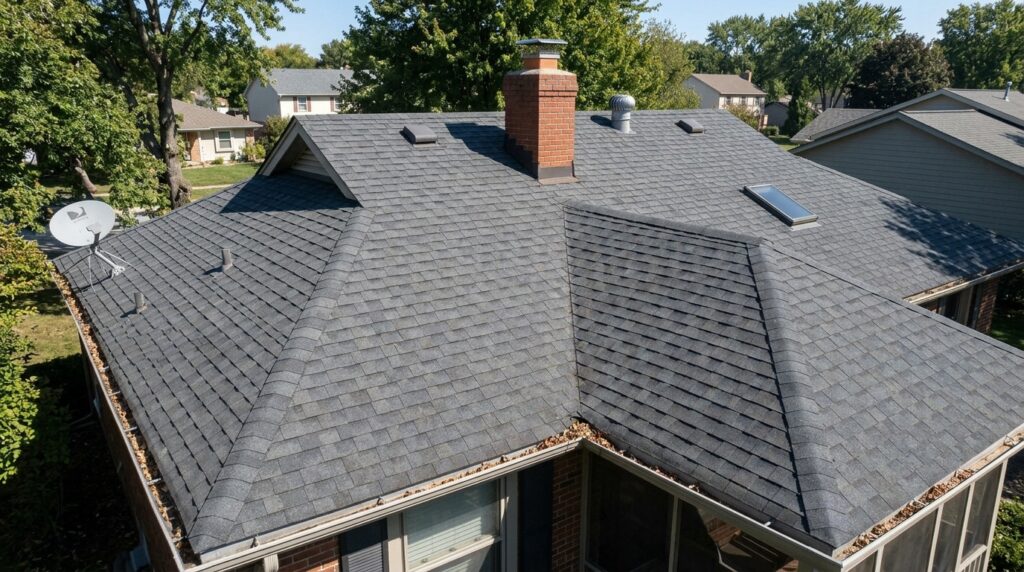
Composition roofs need far less maintenance than wood or tile, but skipping upkeep entirely still shortens their lifespan. A simple seasonal routine catches most problems before they turn into expensive repairs.
- Clear gutters and remove debris from the roof surface at least twice a year.
- Trim overhanging branches that could scrape shingles or drop debris during storms.
- Walk the property after major storms to check for missing or lifted shingles.
- Schedule a professional inspection every three to five years, or sooner after severe weather.
Staying on top of these basics is usually enough to help a composition roof reach the upper end of its expected lifespan.
Frequently Asked Questions
Here are quick answers to the questions homeowners most often ask about composition roofs.
What is a composition roof made of?
A composition roof is made of a fiberglass mat base coated in asphalt and topped with mineral granules. Together, these layers create a shingle that is lightweight, waterproof, and resistant to UV damage.
Is a composition roof the same as an asphalt shingle roof?
Yes, the two terms describe the same roofing material and are used interchangeably in the roofing industry. “Composition” simply refers to the blended materials used to manufacture the shingle.
How long does a composition roof typically last?
Depending on the shingle tier, a composition roof can last anywhere from 15 to 50 years. Proper installation, ventilation, and maintenance all play a role in reaching the higher end of that range.
Can a composition roof be installed over an existing roof?
In some cases, yes, though local building codes and the condition of the existing roof deck determine whether this is allowed. A roofing contractor can confirm whether your home qualifies for this type of installation.
Are composition shingles a good investment before selling a home?
Composition roofing generally offers a strong return at resale compared to its installation cost. Upgrading to architectural or luxury shingles can also improve curb appeal during a home inspection.
Final Thoughts
A composition roof remains one of the most practical roofing choices for homeowners who want durability without an excessive price tag. From basic 3-tab shingles to premium luxury options, there is a tier suited to nearly every budget and style preference.
Understanding what goes into a composition roof, and what affects its lifespan, makes it much easier to choose the right option and get the most value out of your next roof replacement.
Related Articles
How to Clean Faux Suede Furniture Without Ruining It?
Best Primer for Painting Kitchen Cabinets – Complete Easy Guide for Smooth & Durable Cabinets
How to Measure Windows for Curtains (Step-by-Step Guide)
Best Primer for Painting Kitchen Cabinets – Complete Easy Guide for Smooth & Durable Cabinets