
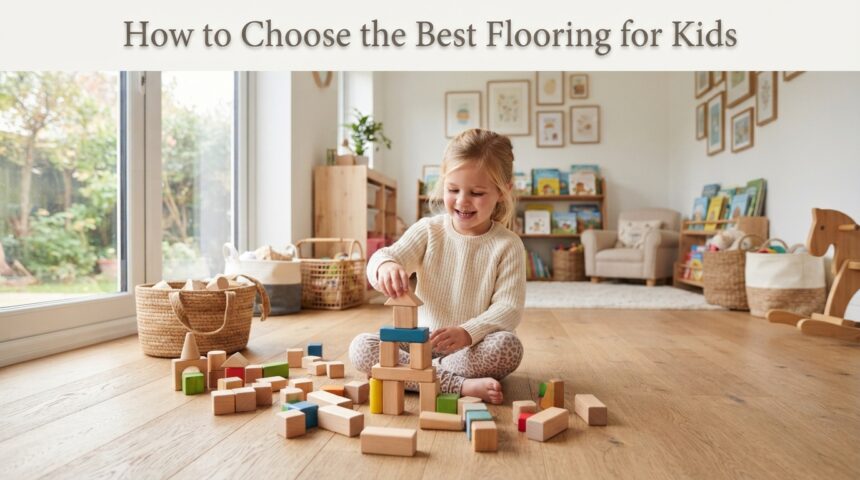
Choosing the right flooring for a child’s room affects safety, comfort, and daily convenience for years to come. Parents often focus only on looks, but a floor that is not soft, water-resistant, or easy to clean creates constant stress.
This guide covers every factor that matters, compares the most popular materials, and breaks things down by age, room, and budget. By the end, you will know exactly how to choose the best flooring for kids without guesswork.
Why Kids’ Flooring Needs Are Different
Children interact with floors in ways adults rarely do, from crawling and rolling to dropping toys and spilling drinks. A choice that works in a living room can quickly become a safety or hygiene issue in a child’s space.
Falls, Spills, and Daily Messes
Juice spills, crayon marks, and accidental drops are part of daily life with kids, so flooring must handle constant cleanup without staining or warping. Sealed or waterproof surfaces stay presentable far longer than porous ones. Cleaning ease should never be an afterthought.
Allergies and Air Quality
Many children are sensitive to dust and chemical fumes released by certain adhesives or finishes. Low-VOC, certified materials keep indoor air healthier and reduce allergy triggers. This matters most in rooms where a child sleeps for many hours nightly.
Key Factors to Consider
Before comparing specific materials, it helps to understand the standards every kid-friendly floor should meet. These factors form the checklist used throughout this guide.
Softness and Shock Absorption
A floor with some give reduces the impact of falls, which matters most for toddlers still developing balance. Cork, rubber, and cushioned vinyl absorb shock far better than tile or solid hardwood. This factor often narrows the realistic choices quickly.
Water Resistance and Easy Cleaning
Spilled milk and accidents happen regularly, so the floor needs a finish that resists staining and water damage. Smooth, sealed surfaces like vinyl can be wiped clean in seconds without harsh chemicals. Porous materials without sealing can stain permanently within minutes.
Durability, Slip Resistance, and Warmth
Toys, furniture, and scooters put daily stress on flooring, so scratch resistance matters alongside slip-resistant texture for wet feet after bath time. Cold floors are also uncomfortable for barefoot children, especially in colder months. Cork and cushioned vinyl balance all three factors well.
Best Flooring Types for Kids
This section compares the most common materials used in children’s rooms, along with their strengths and weaknesses.
Luxury Vinyl Plank (LVP)
Vinyl plank is widely considered the best all-around choice because it combines a waterproof core with a soft, cushioned feel underfoot. It resists scratches and stains while staying warm for crawling babies. Choosing a mid-range or higher-quality product avoids the cheaper, less durable versions.
Cork and Rubber Flooring
Cork is naturally soft, warm, and antimicrobial, making it a favorite for nurseries, though it needs periodic resealing. Rubber flooring offers outstanding shock absorption and is fully waterproof, making it ideal for dedicated playrooms. Both suit active, fall-prone children very well.
Carpet, Laminate, and Hardwood
Low-pile, stain-resistant carpet suits crawling infants but requires regular vacuuming to stay hygienic. Laminate is budget-friendly but not naturally waterproof and can be slippery when wet. Engineered hardwood and bamboo look premium but offer little cushioning, so they suit calmer, older-kid rooms better.
Flooring to Avoid
Certain materials create unnecessary risks or maintenance headaches in a child’s space and deserve caution.
Hard, Cold, and Slippery Surfaces
Natural stone, polished concrete, and glossy laminate are hard, cold, and become dangerously slippery when wet. They also offer almost no shock absorption during falls. These are best avoided or limited to areas paired with slip-resistant mats.
High-Pile Carpet
While soft, high-pile carpet traps dust and spilled liquids deep within its fibers, making it hard to fully clean. It can also become a tripping hazard for toddlers learning to walk. Low-pile alternatives offer similar comfort with far fewer issues.
Flooring by Age Group
Matching flooring to a child’s developmental stage ensures the surface actually supports daily activity.
Infants and Toddlers (0–5 Years)
Babies spend most of their time on the floor, so softness, warmth, and cleanliness are top priorities. Cork, rubber, or cushioned vinyl work best here. Slip resistance also matters as toddlers learn to walk and run.
School-Age and Teens (6+ Years)
Older children are more coordinated, so durability and easy maintenance matter more than extreme softness. Laminate, engineered wood, or bamboo work well, especially paired with a soft rug for added comfort. Stain resistance still matters for art projects and snacks.
Flooring by Room Type
The right material can vary depending on how a specific room is used.
Bedroom and Nursery
Bedrooms benefit from warmth and easy maintenance, with vinyl, cork, or carpet plus a washable rug working well. Nurseries need some of the softest, lowest-VOC materials available since infants spend extended time directly on the floor. Cork and premium cushioned vinyl suit this room best.
Playroom and Bathroom
Playrooms see the heaviest daily impact, so waterproof rubber tiles or thick vinyl handle spills and falls better than most alternatives. Bathrooms need textured, slip-rated vinyl or tile paired with bath mats for safety. Both spaces prioritize water resistance above style.
Safety Certifications to Check
A few additional standards deserve attention when finalizing any flooring decision.
Slip Ratings and Chemical Safety
Checking a product’s slip-resistance rating helps confirm it meets safety standards, with textured finishes outperforming glossy ones. Look for formaldehyde-free products and certifications like GREENGUARD Gold to confirm low chemical emissions. These details protect both physical safety and indoor air quality.
Budget Guide
Flooring costs vary significantly by material, and understanding general price tiers helps set realistic expectations.
| Flooring Type | Price (per sq ft) | Best For |
| Laminate | $1–$3 | Budget school-age rooms |
| Vinyl Plank (LVP) | $2–$5 | All-around family use |
| Carpet Tiles | $2–$4 | Soft nursery or bedroom |
| Cork | $3–$8 | Nurseries and playrooms |
| Bamboo | $3–$8 | Older kids’ and teen rooms |
| Engineered Hardwood | $4–$10 | Calm bedrooms |
| Rubber Flooring | $4–$10 | Dedicated play spaces |
Prices vary by brand and region, so treat these as general planning ranges rather than fixed quotes.
Maintenance and Rugs
Each flooring type has slightly different upkeep needs, and layering rugs can add extra comfort.
Daily Cleaning and Rug Pairing
Vinyl, laminate, and cork typically need only a sweep and occasional damp mop, while carpet requires regular vacuuming to prevent dust buildup. Washable, low-pile rugs or foam play mats add cushioning and warmth over a durable base floor. This layered approach balances safety with everyday style.
Comparison Table: All Flooring Types
| Material | Softness | Water Resistance | Durability | Cost |
| Vinyl Plank | High | Excellent | High | Low–Mid |
| Cork | High | Moderate | Moderate | Mid–High |
| Carpet | High | Low | Moderate | Low–Mid |
| Laminate | Low | Moderate | Moderate | Low |
| Engineered Wood | Low | Low | High | Mid–High |
| Rubber | High | Excellent | High | Mid–High |
| Bamboo | Low | Moderate | High | Mid–High |
Common Mistakes to Avoid
A few recurring mistakes tend to undermine otherwise good flooring decisions.
Style Over Safety
Many parents prioritize appearance over cushioning, slip resistance, or water resistance, which often leads to regret once daily wear sets in. Balancing both factors from the start prevents costly replacements later. A slightly less trendy but safer floor usually proves more satisfying long-term, which is central to understanding how to choose the best flooring for kids.
FAQs
Is carpet or vinyl better for kids?
Vinyl generally performs better overall due to water resistance and easy cleaning, while carpet offers more softness but needs more maintenance against stains.
What is the safest flooring for toddlers?
Cushioned vinyl, cork, and rubber flooring are considered safest due to their shock absorption and slip-resistant surfaces.
How often should kids’ flooring be replaced?
Most quality flooring lasts 10–20 years with proper care, though high-traffic playrooms may need updates sooner.
Conclusion
Selecting the right flooring for a child’s space comes down to balancing softness, water resistance, and durability against budget and style.
Vinyl plank, cork, and rubber consistently stand out as the strongest overall choices, while carpet and hardwood suit more specific situations. Knowing how to choose the best flooring for kids ultimately means prioritizing their safety and comfort first, then adding style within budget.
Related Articles
How Do You Remove Tile From a Bathroom Wall? Step-by-Step Guide
How Often Should You Clean Your Bathroom? A Complete Guide
What Is a Three-Quarter Bathroom? A Complete Guide
How to Clean Slate Tile Floors: Complete Care & Maintenance Guide