
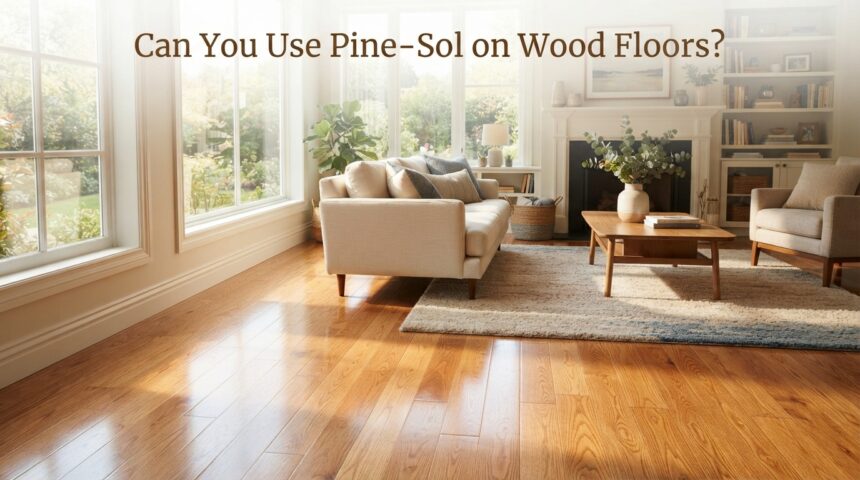
Yes, you can use Pine-Sol on wood floors, but only under the right conditions. It works best on sealed, finished hardwood when it is properly diluted and used sparingly.
On unfinished, waxed, or oiled wood, however, Pine-Sol can cause serious damage. This guide breaks down exactly when it is safe, when it is risky, and how to protect your flooring while still getting a clean, fresh result.
Understanding Pine-Sol and Its Ingredients
Pine-Sol is a popular household cleaner known for cutting through grease and grime, but its formula was originally designed for tougher surfaces than delicate wood. Before pouring it onto your floor, it helps to understand what is actually inside the bottle and why that matters for wood specifically.
What Makes Pine-Sol Effective
Pine-Sol contains surfactants that lift dirt away from surfaces, along with mild acids that help dissolve grease and stains.
These same ingredients that make it excellent for kitchen counters and bathroom tiles are also what make homeowners nervous about using it on wood, since wood reacts differently to moisture and chemicals than tile or vinyl does.
Original Formula vs Other Variants
The Original Pine-Sol formula is stronger and more concentrated, making it less forgiving on sensitive surfaces. Newer variants like Pine-Sol Multi-Surface or CleanScent are formulated to be gentler and are generally considered a safer starting point if you plan to use the product anywhere near wood flooring.
Types of Wood Flooring and Why It Matters
Not all wood floors are built the same way, and this single factor determines whether Pine-Sol is safe to use at all. Before applying any cleaner, it is essential to identify exactly what type of finish your floor has.
Sealed and Finished Hardwood
Sealed hardwood has a protective polyurethane coating that acts as a barrier between the wood and any liquid cleaner. This type of floor tolerates diluted Pine-Sol reasonably well because the finish, not the raw wood, is what actually comes into contact with the solution.
Unfinished or Raw Wood
Unfinished wood has no protective layer, which means any liquid, including diluted Pine-Sol, can soak directly into the fibers. This often leads to swelling, warping, or dark staining, so cleaners like Pine-Sol should be avoided entirely on this type of surface.
Waxed and Oiled Wood Floors
Waxed and oiled floors rely on a soft, absorbent finish rather than a hard plastic-like coating. Pine-Sol’s cleaning agents can strip this wax or oil layer over time, leaving the floor looking patchy, dull, and prematurely worn.
Can You Use Pine-Sol Safely on Each Floor Type
Once you know your floor type, the next question becomes practical: should you actually go ahead and use it. The answer changes significantly depending on the surface you are working with.
When It Is Generally Safe
On sealed hardwood in good condition, a well-diluted, mild version of Pine-Sol used occasionally is usually considered acceptable by many cleaning experts. The key words here are diluted, occasional, and mild, since none of these floors were designed for frequent harsh chemical exposure.
When You Should Avoid It Completely
If your floor is unfinished, waxed, oiled, or already showing signs of wear such as cracks or peeling finish, Pine-Sol should be avoided altogether. In these situations, the risk of permanent discoloration or structural damage outweighs any cleaning benefit the product might offer.
How to Use Pine-Sol on Wood Floors the Right Way
If you have confirmed your floor is sealed and in good condition, the method you use matters just as much as the product itself. Rushing this process is often what leads to disappointing results.
Getting the Dilution Ratio Right
A safe approach typically involves mixing a small amount of Pine-Sol, roughly a quarter cup, into a full bucket of warm water. This heavily diluted solution reduces the concentration of harsh ingredients while still providing enough cleaning power to lift everyday dirt and grime from the floor’s surface.
Choosing the Right Mop and Technique
A microfiber mop that has been thoroughly wrung out is the safest tool for this job, since excess water sitting on wood is one of the biggest causes of long-term damage.
Working in small sections and drying each area with a clean, dry cloth immediately afterward helps prevent moisture from lingering on the finish.
Step-by-Step Cleaning Process
Below is a simple table outlining the recommended process from start to finish:
| Step | Action | Purpose |
| 1 | Sweep or vacuum the floor first | Removes loose dirt and grit that can scratch the surface |
| 2 | Dilute Pine-Sol heavily in warm water | Reduces chemical concentration for safer contact with the finish |
| 3 | Dip mop and wring thoroughly | Prevents excess liquid from pooling on the wood |
| 4 | Mop in small sections | Keeps moisture exposure time short |
| 5 | Dry immediately with a soft cloth | Stops water from seeping into seams or damaging the finish |
Following this sequence consistently reduces the chances of streaking, residue buildup, or dullness that many homeowners report after using multi-purpose cleaners on wood.
Risks and Potential Damage to Watch For
Even when used carefully, Pine-Sol carries some inherent risk when applied to wood flooring. Recognizing these risks early can help you catch problems before they become permanent.
Dulling and Stripping the Finish
Repeated use, even in diluted form, can gradually wear down the protective topcoat on your hardwood. Over months or years, this may cause the floor to lose its natural shine and start looking flat or worn in high-traffic areas.
Residue Buildup and Streaking
Because Pine-Sol is designed to leave a scent and slight film on surfaces, wood floors can sometimes develop a sticky residue if not rinsed and dried properly. This buildup often attracts more dust over time, making the floor look dirtier faster than expected.
What Flooring Manufacturers Recommend
Manufacturers who design and warranty hardwood flooring tend to take a more cautious stance than general cleaning advice found online. Their guidance is worth considering seriously, especially if your floor is still under warranty.
Bona and Similar Brand Guidelines
Bona, one of the most recognized names in hardwood floor care, generally recommends pH-neutral cleaners specifically formulated for wood rather than multi-surface products like Pine-Sol. Their reasoning centers on protecting the finish’s long-term integrity rather than just achieving a quick clean.
Why Warranties Often Discourage Multi-Purpose Cleaners
Many flooring warranties specifically exclude damage caused by cleaners not approved by the manufacturer. Using Pine-Sol regularly, even carefully, could technically void certain warranty protections, which is an important factor to check before making it a routine part of your cleaning schedule.
Safer Alternatives for Wood Floors
If the risks outlined above make you hesitant, there are several reliable alternatives that were built specifically with wood flooring in mind. These options remove much of the guesswork involved in dilution and application.
pH-Neutral Wood Floor Cleaners
Products formulated specifically for hardwood, such as Bona Hardwood Floor Cleaner, are designed to clean effectively without stripping wax, oil, or polyurethane finishes. These cleaners are generally considered the safest long-term choice for maintaining a wood floor’s appearance.
DIY and Natural Options
A mild solution of water with a small amount of white vinegar is a commonly used home remedy, though it should also be applied sparingly since excessive acidity can dull certain finishes over time. Regular dry mopping or vacuuming remains one of the simplest and safest ways to maintain a wood floor between deeper cleanings.
Signs Pine-Sol May Have Damaged Your Floor
If you have already used Pine-Sol on your wood floor, it helps to know what warning signs to look for. Catching these early can prevent minor issues from turning into costly repairs.
Visible Dullness or Haze
A cloudy or hazy appearance across the floor’s surface, especially in areas that were mopped most recently, often indicates that the finish has been affected. This is usually one of the earliest and most noticeable signs of chemical wear.
Sticky or Tacky Residue
If the floor feels slightly sticky underfoot even after drying, this typically points to leftover cleaner residue that was not fully rinsed away during the mopping process.
How to Fix Minor Pine-Sol Damage
Fortunately, not all damage from Pine-Sol is permanent, and many minor issues can be corrected with the right follow-up steps.
Removing Residue Buildup
Rinsing the affected area with plain water and a clean, well-wrung mop, followed by thorough drying, often resolves mild residue and stickiness without requiring professional help.
When to Call a Professional
If the finish appears cracked, peeling, or discolored in patches that do not improve with cleaning, it is usually time to consult a flooring professional. Refinishing may be necessary to fully restore the floor’s original appearance in these more serious cases.
Frequently Asked Questions
Is Pine-Sol safe for engineered hardwood floors?
Engineered hardwood has a thin real wood layer over a plywood base, so diluted Pine-Sol can be used cautiously on sealed versions, but excess moisture should always be avoided.
Can Pine-Sol be used on laminate wood-look floors?
Laminate is not real wood and has a different protective layer, so while diluted Pine-Sol is often tolerated, checking the manufacturer’s specific cleaning guidelines first is recommended.
How often can Pine-Sol be used on wood floors?
Most experts suggest limiting use to occasional deep cleans rather than a regular routine, since frequent exposure increases the risk of finish damage over time.
Does Pine-Sol leave a residue on wood floors?
Yes, if not diluted and dried properly, Pine-Sol can leave a slight film or sticky residue on wood surfaces.
What is the safest alternative to Pine-Sol for wood floors?
A dedicated pH-neutral hardwood cleaner is widely considered the safest and most reliable alternative for regular maintenance.
Conclusion
So, can you use Pine-Sol on wood floors? The honest answer is yes, but only on sealed hardwood, and only when heavily diluted, used sparingly, and dried quickly afterward.
For unfinished, waxed, or oiled floors, it is best avoided entirely to prevent long-term damage. If you want a worry-free cleaning routine, switching to a dedicated wood floor cleaner remains the safer choice recommended by most flooring manufacturers.
Related Articles
How to Winterize Your Garden Complete guide 2026
How to Test for Asbestos in Popcorn Ceiling: Complete Homeowner Guide
What Color Floor With Oak Cabinets: A Complete Pairing Guide
How to Remove Paint from Cement Floor: Easy Step-by-Step Guide