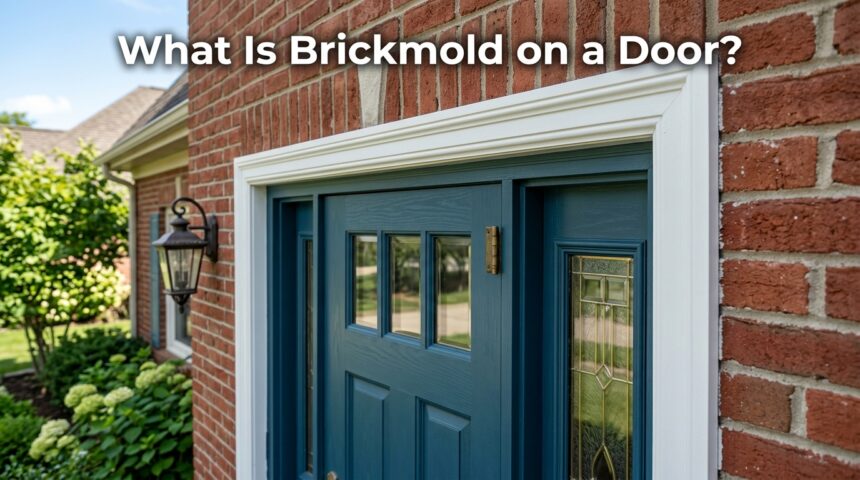
Brickmold on a door is the thick trim piece installed around the outer edge of a door frame where it meets the exterior wall surface, such as brick, siding, or stucco. It acts as a bridge between the door frame and the house structure, sealing gaps, blocking moisture, and giving the entryway a finished, dimensional appearance.
Most exterior doors in North America come with brickmold as a standard feature. Understanding what is brickmold on a door helps homeowners make smarter decisions during repairs, renovations, or new installations. This guide breaks down everything about brickmold in simple, easy-to-follow language.
Brickmold might look like a small detail, but it plays a big role in protecting your home from water damage and drafts. Many homeowners never think about this trim piece until it starts cracking, rotting, or pulling away from the wall. This article walks through its purpose, materials, installation, costs, and common problems so you have a complete picture before your next door project.
Understanding Brickmold Basics
Brickmold is a specific type of exterior trim that surrounds a door or window frame. Below, the definition, its difference from regular casing, and standard sizing are explained in detail.
Definition and Purpose
Brickmold is a molding strip, usually made from wood or composite material, that wraps around the outside perimeter of a door frame. Its main job is to cover the gap left between the frame and the rough opening in the wall. Without it, that gap would let in water, wind, and insects.
How It Differs From Regular Door Trim
Interior door casing and brickmold serve similar visual purposes but sit in different locations and handle different jobs. Casing is used indoors and focuses purely on decoration. Brickmold, on the other hand, sits outside and must withstand rain, sun, and temperature changes while still sealing the frame properly.
Standard Dimensions
Most brickmold measures around two inches wide, though widths can range between 1.5 and 2.25 inches depending on the manufacturer. Thickness typically falls between 1 and 1.25 inches. These measurements matter because a mismatched size can cause fitting or sealing issues during installation.
History and Origin of Brickmold
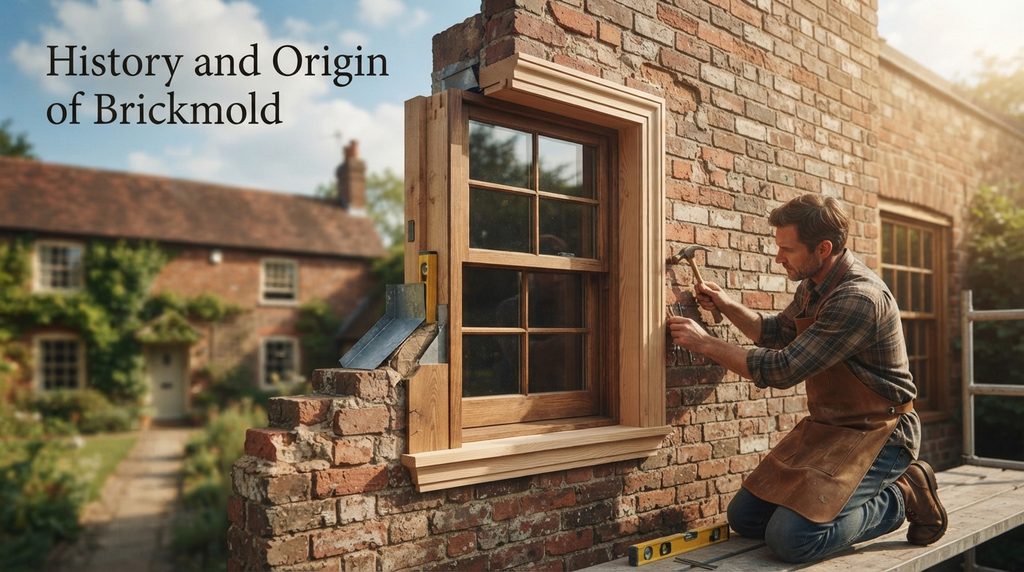
Brickmold originally became popular in homes built with solid brick exteriors. This section covers where the design came from and how it changed over time.
Why It Was Designed for Brick Homes
When homes were commonly constructed with brick veneer, builders needed a way to neatly transition from the wood door frame to the brick wall. Brickmold was created specifically to cover this joint and give a clean, finished edge between two very different materials.
Evolution in Modern Construction
Even though many modern homes use siding, stucco, or fiber cement rather than pure brick, brickmold remained a standard part of exterior door design. Manufacturers adapted the trim to work with a wider range of exterior finishes, which is why it is still found on most prehung exterior doors today.
Functions of Brickmold
Brickmold does more than just look nice. It performs several practical jobs that protect the home and the door itself, covered in the sections below.
Sealing Gaps Between Frame and Wall
The primary function of brickmold is closing the space between the door frame and the surrounding wall opening. This gap, if left uncovered, becomes an entry point for drafts, pests, and debris, so the trim acts as the first line of defense.
Weatherproofing and Moisture Protection
Brickmold is usually installed along with flashing and caulking to prevent rainwater from seeping behind the frame. This layered protection stops moisture from reaching the wood framing inside the wall, which reduces the risk of rot and mold growth over time.
Aesthetic and Decorative Enhancement
Beyond function, brickmold adds visual depth to a doorway. It creates a shadow line and a more substantial frame appearance, making the entry door look more prominent and architecturally finished compared to a flush, trim-less installation.
Structural Support for the Frame
Brickmold also helps anchor the door frame firmly to the wall structure. It is nailed directly into the framing, which adds extra rigidity and helps keep the door frame square and stable over years of use.
Types of Brickmold Materials
Brickmold comes in several material options, each with different durability, cost, and maintenance needs, explained further in the subsections.
Wood Brickmold
Wood is the traditional choice and offers a classic look that can be painted or stained to match any exterior. However, it requires regular maintenance and is prone to rot if not sealed properly against moisture.
PVC or Vinyl Brickmold
PVC brickmold resists rot, insects, and moisture much better than wood. It needs very little upkeep, but it typically costs more upfront and offers fewer finish options compared to natural wood.
Composite Brickmold
Composite materials combine wood fibers with resins to create a product that is more durable than solid wood but still paintable. It resists warping and splitting better than traditional lumber while remaining budget-friendly.
Aluminum-Clad or Metal Brickmold
Metal-clad options wrap a wood core in aluminum or another metal shell, giving the durability of metal with the strength of wood underneath. This type is a strong choice for extreme climates but comes at a higher price point.
Brickmold vs Non-Brickmold Doors
Homeowners often compare doors with brickmold against flush-mounted, trim-less designs. The table below highlights the main differences for quick reference.
| Feature | Brickmold Doors | Non-Brickmold Doors |
|---|---|---|
| Appearance | Bold, dimensional frame | Sleek, flush, minimalist |
| Weather Sealing | Strong, layered protection | Depends on flashing quality |
| Common Use | Brick, siding, stucco homes | Modern or stucco-flush designs |
| Maintenance | Moderate to high (if wood) | Generally lower |
| Cost | Slightly higher due to trim | Slightly lower without trim |
Both styles have their place depending on the architectural style of the home and the homeowner’s maintenance preferences.
Where Brickmold Is Used
Brickmold is not limited to just one part of the house. This section explains the common locations where it appears.
Exterior Doors
Front doors, back doors, and side entry doors most commonly feature brickmold since these openings are directly exposed to outdoor elements and need strong sealing at the frame edges.
Windows
Many exterior windows also use brickmold trim around their frames for the same reasons as doors, namely sealing and finishing the transition between the window unit and the wall surface.
Various Exterior Wall Types
While the name suggests brick specifically, brickmold is used with siding, stucco, and stone exteriors as well. It has become a general-purpose exterior trim rather than one exclusive to brick homes.
Installation Process Overview
Installing brickmold correctly is important for both appearance and weatherproofing. Below is a simplified explanation of tools needed and the general process.
Tools and Materials Needed
A typical installation requires a measuring tape, miter saw, exterior-grade nails or a nail gun, caulk, flashing tape, and the brickmold strips themselves cut to size. Having accurate measurements before cutting prevents wasted material.
Step-by-Step Installation Basics
Installation generally starts with measuring the door frame perimeter, cutting the brickmold pieces at 45-degree miter angles for clean corner joints, applying flashing tape around the rough opening, and then nailing the trim securely into the framing before sealing all joints with exterior caulk.
Common Mistakes to Avoid
Skipping flashing tape, using incorrect miter angles, or failing to caulk properly are the most frequent installation errors. These mistakes can lead to water intrusion even if the brickmold itself is high quality, so proper technique matters as much as material choice.
Brickmold Maintenance and Repair
Like any exterior feature, brickmold needs occasional attention to stay in good condition. The following points explain what to watch for.
Signs of Damage
Cracking, peeling paint, soft or spongy wood, and visible gaps at the corners are common warning signs. Catching these early prevents more expensive repairs down the line.
Cleaning and Upkeep Tips
Regular cleaning with mild soap and water, along with repainting or resealing every few years, keeps brickmold looking fresh and functioning properly as a weather barrier.
When to Repair vs Replace
Minor cracks or small areas of rot can often be patched with wood filler and repainted. However, if damage has spread across large sections or moisture has reached the framing behind it, full replacement is the safer long-term choice.
Cost Considerations
Budgeting for brickmold depends on material choice and labor involved. This section gives a general cost breakdown for planning purposes.
Average Material Costs
Wood brickmold tends to be the most affordable option, while PVC and metal-clad versions cost more due to their added durability and lower maintenance needs.
Installation and Labor Costs
Labor costs vary based on the complexity of the door opening and whether old trim needs to be removed first. Replacing existing brickmold is usually more labor-intensive than installing it on a brand-new door frame.
Brickmold and Energy Efficiency
Beyond looks, brickmold also contributes to how well a home retains heat and blocks drafts, as explained below.
Role in Insulation and Draft Prevention
When properly sealed, brickmold helps close off small air leaks around the door frame, reducing drafts that would otherwise let outside air into the home.
Impact on Energy Bills
Because it reduces air leakage, well-maintained brickmold can contribute to lower heating and cooling costs over time, especially when paired with quality weatherstripping on the door itself.
Choosing the Right Brickmold for Your Home
Selecting the correct brickmold style involves matching it to your home’s overall look and long-term needs, covered in the sections below.
Matching Style and Architecture
Traditional homes often suit wood brickmold with classic profiles, while modern homes may benefit from cleaner PVC or composite trim that requires less upkeep.
Color and Finish Options
Brickmold can be painted to match trim elsewhere on the house or stained if using natural wood, giving flexibility to coordinate with the door color and siding tone.
Common Problems and Solutions
Certain issues appear repeatedly with brickmold, and understanding them helps homeowners respond quickly.
Water Damage and Rot
This is the most common issue with wood brickmold and is typically caused by failed caulking or missing flashing. Resealing gaps and repainting regularly helps prevent this problem.
Pest Infestation
Wood brickmold can attract termites or carpenter ants if moisture is present. Choosing PVC or composite material largely eliminates this risk.
Brickmold Alternatives
Some homeowners prefer a different look than traditional brickmold offers. This section briefly compares the main alternatives.
Flat Casing
Flat casing offers a simpler, thinner trim option that still frames the door but with less visual bulk than standard brickmold.
No-Brickmold Flush Options
Some modern doors are designed to sit flush against the wall without any exterior trim at all, relying entirely on flashing and sealant for weatherproofing instead.
Frequently Asked Questions
Does every exterior door need brickmold?
Not every door requires it, but most standard prehung exterior doors include it as part of the frame design for proper sealing and finish.
Can brickmold be replaced without replacing the door?
Yes, brickmold can usually be removed and replaced separately as long as the door frame itself remains in good condition.
Is brickmold necessary for non-brick homes?
It is not exclusive to brick homes and works equally well with siding, stucco, or stone exteriors.
How long does brickmold last?
Wood brickmold typically lasts 10 to 15 years with proper maintenance, while PVC or composite versions can last significantly longer.
Conclusion
Brickmold plays a small but essential role in every exterior doorway. It seals gaps, blocks moisture, supports the frame, and adds a finished architectural look to the home.
Now that you understand what is brickmold on a door, you can make better decisions when installing, repairing, or upgrading your entry doors, ensuring both better protection and improved curb appeal for years to come.
Related Articles
How To Choose A Roofing Style: Complete Guide 2026
How to Maintain Home Plumbing Systems Complete guide 2026
Beadboard Ceiling Ideas: A Complete Guide
How to Insulate Basement Walls: Step-by-Step Guide 2026
Why Is My Basement Flooding? Causes, Fixes & Prevention Tips