

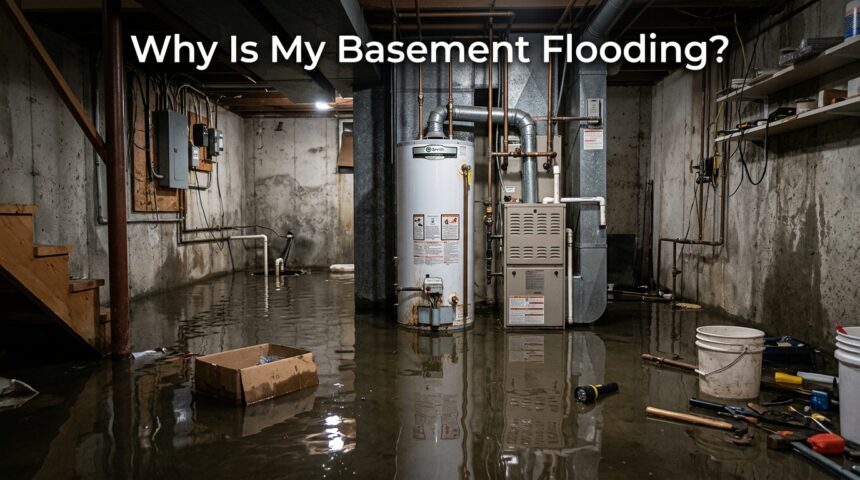
If you keep asking yourself why is my basement flooding, you are not alone, since this is one of the most common home problems faced by homeowners every year. Basement flooding usually happens because of heavy rainfall, poor drainage, cracked foundations, or a failed sump pump.
The good news is that once you understand the exact cause, the fix is usually simple and affordable. This guide walks you through every possible reason your basement is flooding, how to spot the source quickly, and what steps you can take today to stop it and prevent it from happening again.
Understanding How Basements Flood
Before fixing the problem, it helps to understand how water actually gets into your basement in the first place. Basements sit below ground level, which naturally makes them the lowest and most water-prone part of any home.
How Water Moves Around Your Home
Water always follows the path of least resistance, which means it moves toward the lowest point it can reach. Since basements are built underground, they sit directly in the path of rainwater, melting snow, and natural groundwater.
When the soil around your foundation becomes saturated, that water looks for any small crack, gap, or opening to escape through, and your basement often becomes that escape route.
Flooding vs Moisture vs Humidity
Many homeowners confuse basement flooding with simple dampness or humidity, but they are very different problems.
Flooding means actual standing water or a steady stream entering the space, while moisture usually shows up as damp walls or a musty smell without visible water. Understanding this difference helps you decide whether you need a quick fix or a more serious repair.
Top Causes of Basement Flooding
There are several common reasons behind basement flooding, ranging from weather-related issues to structural problems. The table below gives you a quick summary before we explain each cause in detail.
| Cause | Quick Description |
|---|---|
| Heavy rainfall or snowmelt | Overwhelms soil and drainage around the foundation |
| Poor yard grading | Ground slopes toward the house instead of away |
| Clogged gutters and downspouts | Water dumps directly next to the foundation |
| Foundation cracks | Groundwater seeps through weak points in walls |
| Sump pump failure | Pump cannot remove incoming water fast enough |
| High water table | Underground water pushes up through the floor |
| Clogged floor drains | Water has nowhere to go once it enters |
| Sewer backup | Wastewater pushes back into the basement |
| Leaking window wells | Water pools and seeps through basement windows |
| Broken plumbing pipes | Internal leaks mimic outside flooding |
Heavy Rainfall and Snowmelt
Sudden or prolonged heavy rain is one of the most frequent reasons homeowners search for why is my basement flooding. When large amounts of water enter the soil faster than it can drain away, the excess pressure pushes water toward your foundation walls and floor. Snowmelt in spring creates a similar effect, especially when the ground is still partly frozen and cannot absorb water properly.
Poor Yard Grading
Your yard should slope gently away from your foundation, guiding rainwater away from the house naturally. When the grading is reversed or flat, water pools right next to your walls instead of flowing away. Over time, this constant pooling increases pressure on your foundation and eventually forces water inside.
Clogged or Broken Gutters and Downspouts
Gutters and downspouts are designed to carry roof water away from your foundation, but when they get clogged with leaves and debris, water overflows straight down beside your house. This concentrated flow saturates the soil right at the foundation edge, which is exactly where you do not want extra water collecting.
Cracks in the Foundation Walls or Floor
Even small hairline cracks in a foundation can let groundwater seep through, especially under constant pressure from wet soil. These cracks often form due to natural settling, temperature changes, or aging concrete. Left unrepaired, they tend to widen over time and allow more water in with every rainfall.
Sump Pump Failure or No Sump Pump
A sump pump is your basement’s main defense against rising groundwater, and when it fails, flooding usually follows quickly. Common failure reasons include power outages, a stuck float switch, or a pump that is simply too old or undersized for the amount of water it needs to handle. Homes without any sump pump installed are especially vulnerable during heavy storms.
High Water Table
In some areas, the natural water table sits close to the surface, meaning groundwater is already near your basement floor level. During wet seasons, this water table rises even further and can push water directly through the floor or lower wall joints. This cause is more location-based and often requires a dedicated drainage system to manage.
Clogged Floor Drains
Floor drains are meant to carry away any water that enters your basement, but they can become blocked by dirt, debris, or even small objects over time. When a floor drain is clogged, water that would normally drain out safely instead builds up and spreads across the floor.
Sewer Backup Issues
During heavy storms, municipal sewer systems can become overloaded, causing wastewater to flow backward into home plumbing systems. This is one of the most serious causes of basement flooding because it involves contaminated water, which requires careful cleanup and professional attention.
Leaking Window Wells
Basement window wells are meant to keep soil and water away from windows, but if they lack proper drainage or covers, they can fill up during rain and leak through the window seals. This is a common but often overlooked source of basement water intrusion.
Broken or Leaking Plumbing Pipes
Not all basement flooding comes from outside the house. Broken supply lines, leaking water heaters, or damaged washing machine hoses can release large amounts of water quickly, and this often gets mistaken for external flooding at first glance.
How to Identify Where the Water Is Coming From
Finding the exact entry point of water is the fastest way to solve your flooding problem correctly instead of guessing. Look closely at walls, floors, corners, and drains, and pay attention to when the flooding actually happens.
Checking Walls, Floors and Corners
Water stains, cracks, or damp patches on walls usually point to foundation seepage, while water pooling in the middle of the floor often suggests a high water table or a plumbing leak. Corners and joints where the wall meets the floor are especially common entry points because that is where structural stress tends to concentrate.
Timing the Flooding
Pay attention to whether flooding happens only during or right after rain, or if it occurs randomly regardless of weather. Rain-related flooding usually points to drainage, grading, or foundation issues, while flooding that happens anytime often signals a plumbing or sump pump problem instead.
Immediate Steps to Take When Your Basement Floods
Once you notice flooding, quick action can prevent further damage to your home and belongings. Start with safety, then move on to removing water and protecting your items.
Safety First and Removing Water
Always turn off electricity to the flooded area before stepping into standing water, since water and electrical outlets are a dangerous combination. Once it is safe, use a wet vacuum, sump pump, or bucket to remove standing water as quickly as possible to limit damage.
Drying Out and Protecting Belongings
After removing standing water, use fans and dehumidifiers to dry the space thoroughly and prevent mold growth, which can begin within just twenty-four to forty-eight hours. Move furniture, boxes, and electronics off the floor immediately to protect them from further moisture damage.
Long-Term Fixes and Prevention
Once the immediate water is handled, focus shifts to permanent solutions that stop the problem from repeating. Most fixes involve improving drainage, sealing entry points, or upgrading your sump pump system.
Fixing Grading, Gutters and Cracks
Regrading your yard so it slopes away from the foundation, cleaning gutters regularly, and sealing foundation cracks with proper waterproofing compounds are three of the most effective and affordable long-term fixes. These steps address the problem at its source rather than just managing symptoms.
Sump Pumps, French Drains and Waterproofing
Installing or upgrading a sump pump, adding a battery backup for power outages, and installing a French drain system around your foundation can handle larger volumes of water effectively. For homes with persistent issues, professional interior or exterior waterproofing membranes offer the most complete long-term protection.
When to Call a Professional
Some basement flooding problems go beyond simple DIY fixes and require expert evaluation and repair. Knowing when to call in help can save you from bigger, costlier damage later.
Signs You Need Professional Help
If flooding happens repeatedly despite your efforts, if you notice large or spreading foundation cracks, or if sewage backup is involved, it is time to call a professional immediately. Waterproofing companies, plumbers, and foundation specialists each handle different aspects of the problem, so choosing the right expert matters.
Average Repair Cost Ranges
| Repair Type | Typical Cost Range |
|---|---|
| Sump pump installation | $600 – $1,500 |
| Foundation crack sealing | $250 – $800 |
| French drain installation | $1,500 – $6,000 |
| Full basement waterproofing | $3,000 – $10,000 |
These figures vary depending on your location, basement size, and the severity of the damage, so always request multiple quotes before committing.
Preventing Future Flooding
Prevention is always cheaper and easier than repeated repairs, so building a simple maintenance routine goes a long way.
Clean your gutters twice a year, inspect your sump pump before rainy seasons, and check your foundation walls annually for new cracks. Small, consistent checks catch problems early before they turn into major flooding events.
Insurance and Basement Flooding
Standard homeowners insurance often does not cover basement flooding caused by groundwater or heavy rain, since this typically falls under separate flood insurance policies.
However, sudden plumbing failures like a burst pipe are usually covered under standard policies. It is worth reviewing your policy details or speaking with your insurance provider to understand exactly what is and is not included, and to file a claim promptly with clear photos if damage occurs.
Frequently Asked Questions
How do I stop my basement from flooding during heavy rain?
Improving yard grading, cleaning gutters, and ensuring your sump pump is working properly are the fastest ways to reduce flooding during heavy rainfall.
Is basement flooding dangerous to health?
Yes, standing water can lead to mold growth and, in sewage backup cases, contamination that poses real health risks if not cleaned properly.
How much does it cost to waterproof a basement?
Costs typically range from a few hundred dollars for minor crack sealing to several thousand dollars for full waterproofing systems.
Can I fix basement flooding myself?
Minor issues like clogged gutters or small cracks can often be fixed by homeowners, but recurring or severe flooding usually needs professional evaluation.
Conclusion
Understanding why is my basement flooding starts with identifying the exact source, whether it is heavy rain, poor drainage, a failing sump pump, or a structural crack. With the right combination of quick action and long-term fixes like grading, waterproofing, and proper drainage systems, most basements can stay dry even through the heaviest storms. Regular maintenance and early attention to warning signs remain your best defense against future flooding.