Learning how to maintain home plumbing systems properly can save homeowners thousands of dollars in emergency repairs and prevent the kind of water damage that spreads quietly behind walls and under floors.
A consistent maintenance routine, combined with a bit of plumbing knowledge, keeps pipes, fixtures, and appliances working reliably for years.
Understand the Basics of Your Plumbing System
Before diving into specific maintenance tasks, it helps to know the general layout of your home’s plumbing so you can spot problems faster. This basic understanding makes every other maintenance step easier to follow.
Know Where Your Main Shutoff Valve Is
Every home has a main water shutoff valve, usually located near the water meter or where the main line enters the house, that stops water flow to the entire property. Knowing its exact location before an emergency happens means you can act quickly if a pipe bursts or a fixture fails suddenly. Testing this valve once a year also ensures it has not seized up from lack of use.
Identify Pipe Materials in Your Home
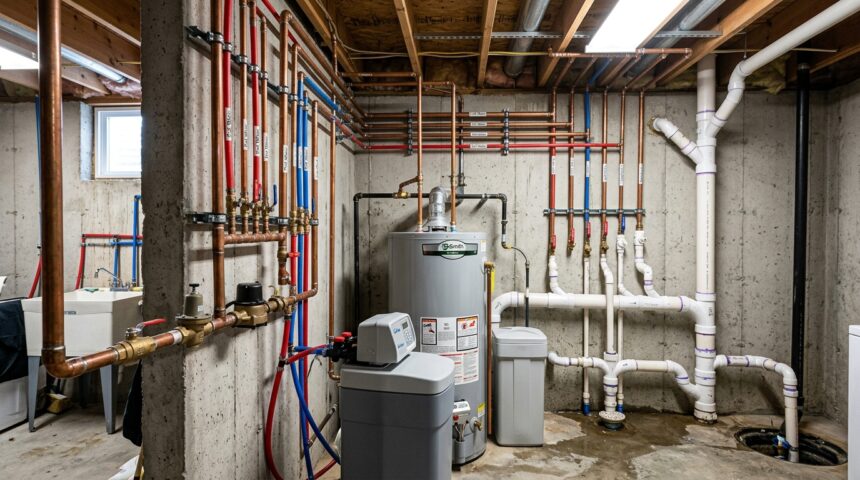
Homes built in different decades often have different pipe materials, ranging from copper and PVC to older galvanized steel or even outdated polybutylene in some cases. Knowing what your home has helps you understand which materials are prone to corrosion, mineral buildup, or brittleness over time. This knowledge also helps when discussing repairs or replacements with a plumber, since material type affects both cost and urgency.
Recognize Normal Water Pressure Levels
Most homes function best with water pressure between forty and sixty pounds per square inch, and knowing your home’s normal range helps you notice when something changes. A simple pressure gauge that attaches to an outdoor spigot can give you an accurate reading in just a few minutes.
Pressure that is consistently too high can strain pipes and fixtures, while pressure that is too low often signals a blockage or leak somewhere in the system.
Perform Regular Inspection Routines
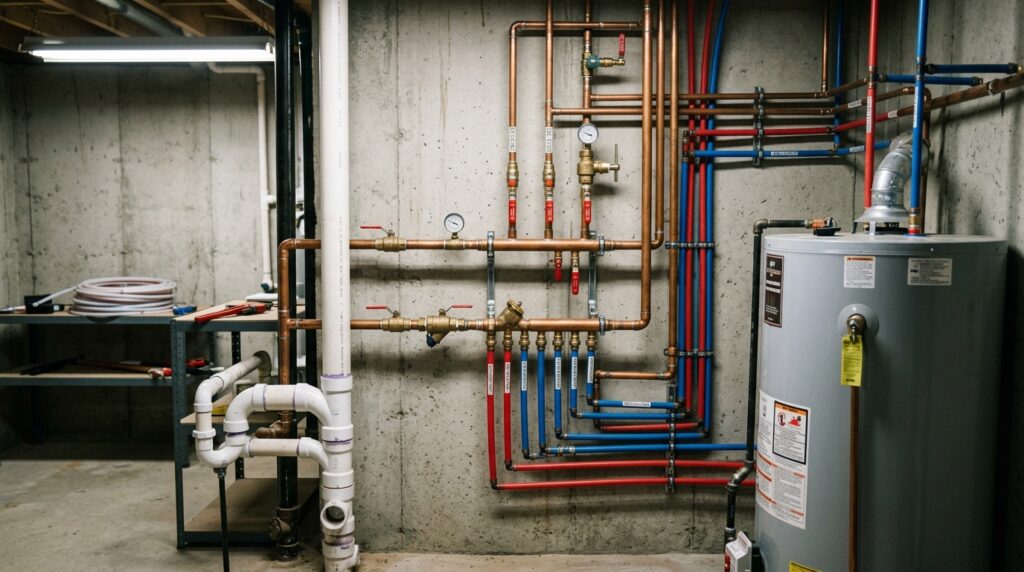
Catching small plumbing issues early prevents them from turning into major repairs down the line. A regular inspection habit is one of the most effective maintenance tools any homeowner can build.
Check Under Sinks and Around Fixtures Monthly
Looking under kitchen and bathroom sinks for signs of moisture, mineral deposits, or musty smells can reveal slow leaks long before they cause visible damage. Running a dry paper towel along visible pipe joints and connections is a simple way to catch even the smallest drips. This monthly habit takes only a few minutes but often catches problems while they are still cheap and easy to fix.
Inspect Water Heater Condition
The water heater deserves regular attention since it is one of the most expensive plumbing components to replace and one of the most common sources of leaks. Checking around its base for pooling water, listening for unusual rumbling sounds, and confirming the temperature and pressure relief valve works properly are all part of a good routine. Flushing sediment from the tank once or twice a year also extends its lifespan considerably.
Test Toilets for Silent Leaks
Toilets are a surprisingly common source of hidden water waste, often through a worn flapper valve that lets water trickle continuously into the bowl.
Adding a few drops of food coloring to the tank and checking if color appears in the bowl without flushing is a simple test for this kind of leak. Left unaddressed, a silent toilet leak can waste hundreds of gallons of water and noticeably increase monthly water bills.
Table: Plumbing Maintenance Schedule
| Task | Frequency | Why It Matters |
| Check under sinks for leaks | Monthly | Catch drips early |
| Test toilet for silent leaks | Every few months | Prevent water waste |
| Flush water heater sediment | 1-2 times per year | Extend heater lifespan |
| Test main shutoff valve | Annually | Ensure it works in emergencies |
| Inspect exposed pipes | Seasonally | Spot corrosion or damage |
| Clean drain stoppers and traps | Monthly | Prevent clogs |
Prevent Common Plumbing Problems
Beyond regular inspections, certain daily habits and preventive measures go a long way toward keeping the entire plumbing system running smoothly. These practices address the most frequent causes of plumbing emergencies.
Avoid Flushing and Draining the Wrong Materials
Grease, coffee grounds, wipes, and non-dissolving materials are among the most common causes of stubborn clogs in both kitchen and bathroom drains. Even products labeled as flushable wipes often fail to break down the way toilet paper does,
leading to blockages further down the line. Keeping a simple habit of disposing of grease and solid waste in the trash rather than the drain prevents a large share of clogging issues.
Protect Pipes From Freezing Temperatures
In colder climates, pipes running through unheated spaces like garages, crawl spaces, or exterior walls are at risk of freezing and bursting during cold snaps. Insulating these exposed pipes and allowing faucets to drip slightly during extreme cold reduces the pressure buildup that leads to bursts.
Disconnecting and draining outdoor hoses before the first freeze is another simple step that prevents damage to both the hose and the spigot itself.
Watch Water Pressure and Usage Habits
Excessively high water pressure puts ongoing strain on pipe joints, fixtures, and appliances, often shortening their lifespan without any obvious warning signs. Installing a pressure regulator
if your home’s pressure runs consistently high protects the entire system from this slow wear. Being mindful of running multiple high-demand fixtures at once, such as the washing machine and shower simultaneously, also reduces strain on older plumbing systems.
Know When to Call a Professional Plumber
While many maintenance tasks are manageable for homeowners, certain signs indicate it is time to bring in professional help rather than attempting a DIY fix. Recognizing these situations prevents small issues from becoming much larger problems.
Persistent Clogs or Slow Drains
If plunging or basic drain cleaning tools fail to clear a clog, or if multiple drains in the house are slow at the same time, the problem may be deeper in the main line rather than a single fixture. Professional plumbers have tools like drain cameras and hydro-jetting equipment that can diagnose and clear blockages far beyond what typical home tools reach.
Repeated clogging in the same drain is also often a sign of a larger structural issue that needs expert attention.
Signs of Hidden Leaks or Water Damage
Unexplained increases in water bills, musty odors, or discoloration on walls and ceilings often point to leaks hidden behind surfaces that are not visible during a normal inspection. Professional leak detection equipment can locate these problems without requiring extensive demolition to find the source.
Addressing hidden leaks quickly prevents mold growth and structural damage that becomes far more expensive over time.
Major Fixture or Pipe Replacement
Replacing a water heater, repiping sections of the home, or dealing with sewer line issues generally requires the training and equipment that only licensed plumbers have. Attempting these larger jobs without proper experience can lead to code violations, incorrect installations, or safety hazards involving gas lines and electrical connections.
Investing in professional installation for major components also usually comes with warranties that protect the investment long term.
Conclusion
Maintaining a home’s plumbing system comes down to consistent habits: knowing your system’s basics, performing regular inspections, preventing common problems, and recognizing when a job is beyond a simple DIY fix. Building these routines into your regular home maintenance schedule protects against costly emergencies and extends the lifespan of pipes, fixtures, and appliances throughout the house.
A small amount of ongoing attention each month is far less costly than dealing with the aftermath of a major plumbing failure.
FAQs
How often should home plumbing be inspected?
A monthly check under sinks and around fixtures, combined with a more thorough seasonal inspection of exposed pipes and the water heater, covers most maintenance needs.
What is the most common cause of plumbing problems at home?
Clogs from grease, wipes, and other non-dissolving materials going down drains are among the most frequent causes of plumbing issues in most households.
How can I tell if I have a hidden water leak?
A rising water bill without increased usage, musty smells, or damp spots on walls and ceilings are common signs that a hidden leak may be present.
Do I need a professional for water heater maintenance?
Basic tasks like flushing sediment can often be done by homeowners, but repairs, temperature and pressure valve issues, or full replacement are best handled by a licensed plumber.
Related Articles
Steel vs Fiberglass Door: Which One Should You Choose?
Roofing Maintenance for Extreme Temperatures : Complete Guide
How to Get Urine Smell Out of Bathroom: Complete Guide