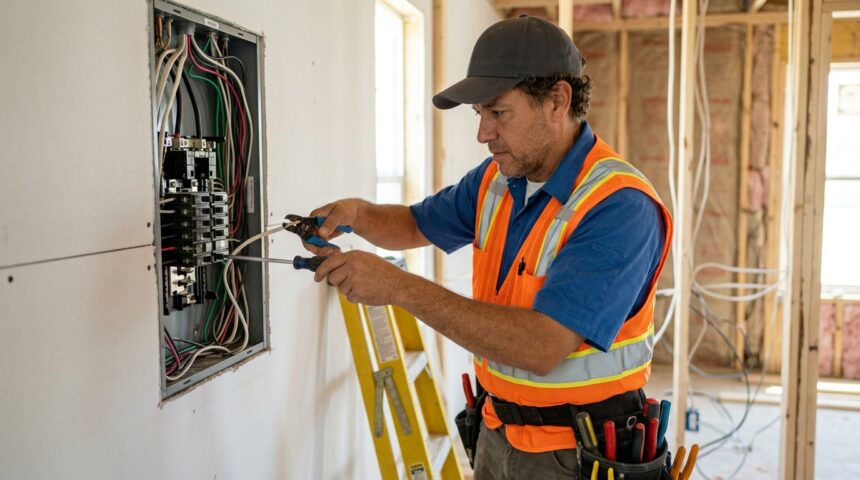
Understanding how much an electrician costs per hour helps homeowners budget accurately before starting any electrical project, whether it is a small repair or a larger rewiring job. Rates vary widely depending on location, experience level, and the type of work involved, so knowing the general ranges makes it easier to compare quotes.
Average Hourly Rates for Electricians
Electrician pricing follows some general patterns based on experience and certification level, giving homeowners a useful starting point before requesting quotes. These averages provide a baseline, though actual rates depend on several other factors covered later in this guide.
Typical Rate Range Nationwide
Most licensed electricians charge between fifty and one hundred dollars per hour for standard residential work, though this range can shift higher in expensive metro areas or lower in rural regions. Some electricians also charge a flat call-out fee in addition to the hourly rate, which typically covers the first hour of work.
Getting quotes from a few local providers gives a clearer picture than relying on national averages alone.
Apprentice Versus Licensed Electrician Rates
Apprentice or trainee electricians, who work under the supervision of a licensed professional, generally charge less per hour since their experience and certification level are still developing. Fully licensed electricians command higher rates because they carry the qualifications needed to handle complex or code-regulated work independently.
Master electricians, who have the highest level of training and experience, often charge the most but are typically reserved for larger or more technical projects.
Emergency and After-Hours Rates
Calling an electrician outside of normal business hours, on weekends, or for true emergencies usually comes with a significant rate increase, sometimes one and a half to two times the standard hourly fee.
This higher pricing reflects the electrician’s availability outside their regular schedule and the urgency of the situation. Planning non-urgent work during standard business hours is one of the simplest ways to avoid these elevated rates.
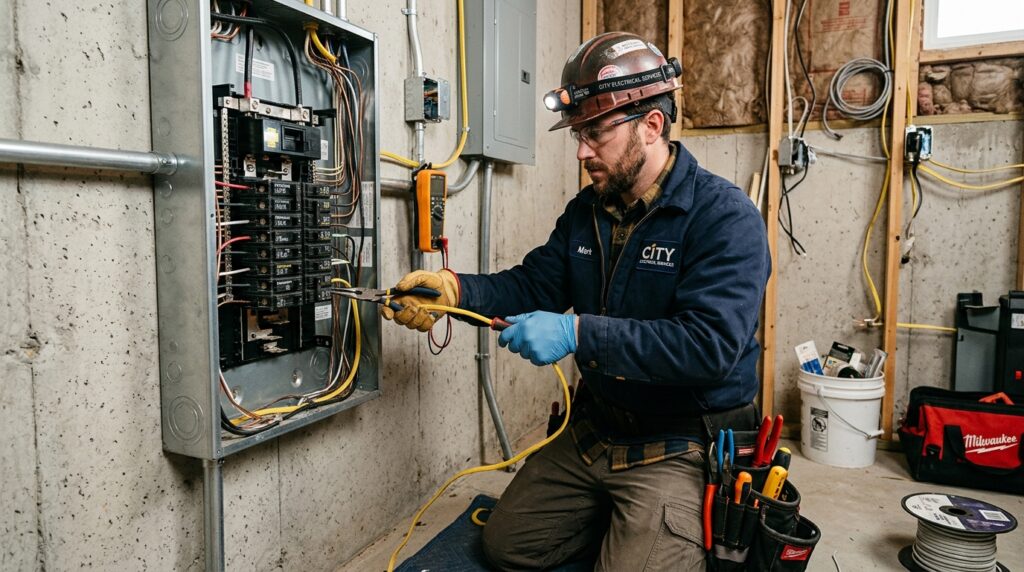
Table: Average Electrician Hourly Rates by Experience Level
| Experience Level | Typical Hourly Rate | Notes |
| Apprentice electrician | $30 – $50 | Works under supervision |
| Licensed electrician | $50 – $100 | Standard residential work |
| Master electrician | $100 – $150 | Complex or specialized jobs |
| Emergency or after-hours | 1.5x – 2x standard rate | Nights, weekends, urgent calls |
Factors That Influence Electrician Pricing
Beyond experience level, several other variables affect what an electrician charges for any given job. Understanding these factors helps explain why quotes can differ significantly between providers.
Geographic Location
Electricians in large cities or areas with a higher cost of living typically charge more per hour than those in smaller towns or rural areas, reflecting local business costs and demand. State licensing requirements and local competition among electricians also play a role in shaping regional pricing differences.
Getting a sense of average rates in your specific area through local quotes gives a far more accurate estimate than national figures.
Type and Complexity of the Job
Simple tasks like replacing an outlet or light fixture generally take less time and expertise than rewiring a home or installing a new electrical panel.
More complex jobs often require additional permits, inspections, and specialized equipment, which can affect the total cost beyond just the hourly rate. Discussing the scope of the project clearly with an electrician before work begins helps avoid unexpected charges later.
Flat Rate Versus Hourly Pricing
Some electricians prefer flat rate pricing for common jobs rather than charging strictly by the hour, which can make costs more predictable for both parties.
This pricing model is common for straightforward tasks like installing a ceiling fan or replacing a breaker, where the time required is fairly consistent. For larger or more unpredictable projects, hourly billing often makes more sense since the scope of work can change once the electrician starts.
Common Electrical Jobs and Estimated Costs
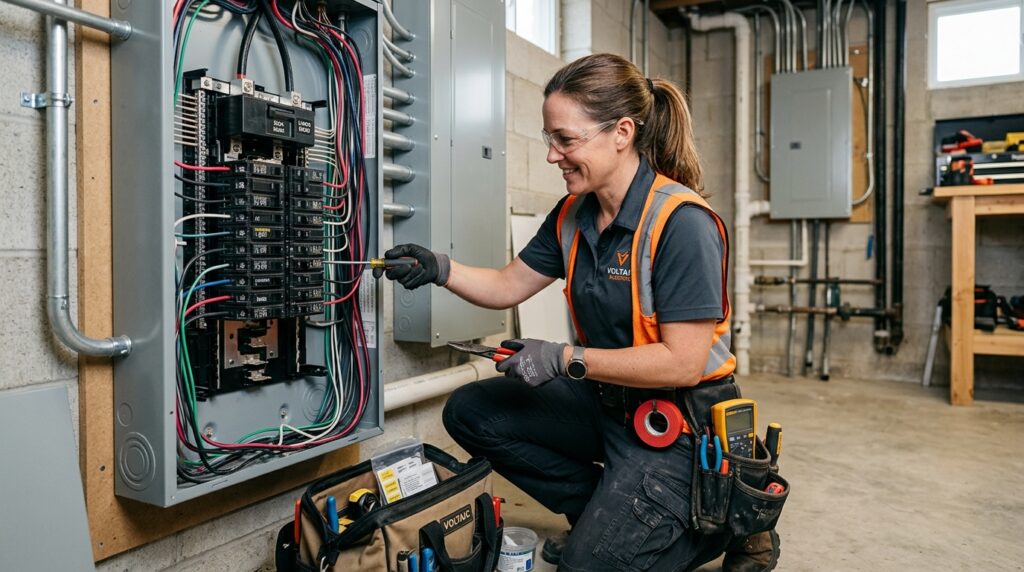
Knowing typical costs for specific electrical tasks helps homeowners set realistic budgets before requesting quotes. These figures combine the hourly rate with the typical time such jobs take to complete.
Outlet and Switch Replacement
Replacing a standard outlet or light switch is one of the quickest and most affordable electrical jobs, often taking well under an hour per fixture.
Total cost for this type of work usually falls in a lower range since it requires minimal materials and labor time. Bundling several replacements into a single visit often reduces the overall cost compared to separate service calls.
Panel Upgrades and Rewiring
Upgrading an electrical panel or rewiring sections of a home is a much larger undertaking that can take anywhere from several hours to multiple days depending on the home’s size and existing wiring condition.
These projects usually involve permits and inspections in addition to labor, which adds to the total cost beyond the electrician’s hourly rate. Getting a detailed written estimate before this type of work begins is especially important given the scope and expense involved.
Ceiling Fan and Fixture Installation
Installing a new ceiling fan or light fixture typically takes one to two hours, depending on whether new wiring or additional support is needed for the fixture’s weight.
Homes with existing wiring in place for a fixture generally cost less than installations requiring entirely new circuits. This type of job is often priced as a flat rate by many electricians since the labor involved is fairly predictable.
Tips for Getting the Best Value
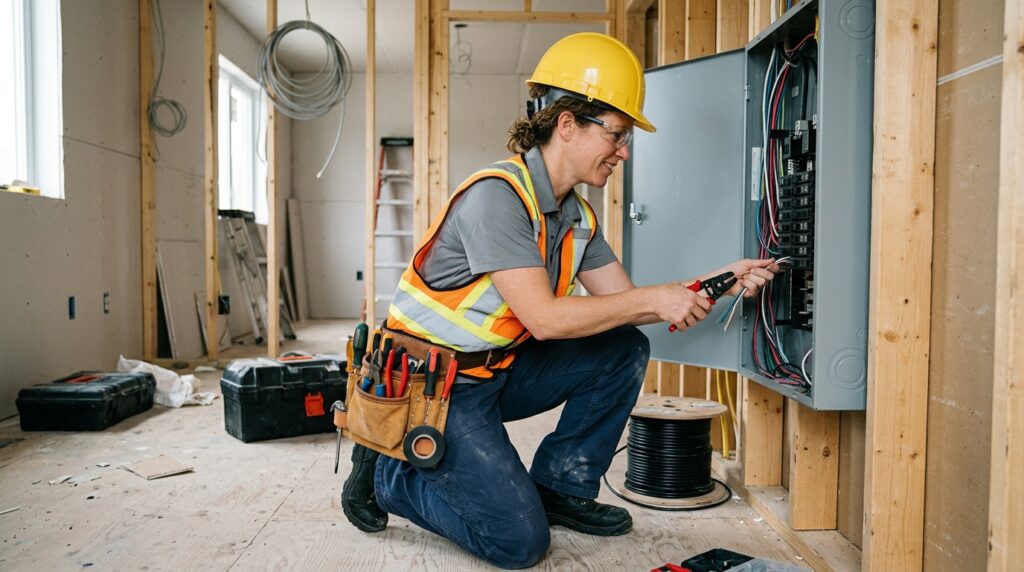
Beyond understanding rates, a few practical strategies can help homeowners get fair pricing and avoid overpaying for electrical work. These tips apply to almost any type of electrical project.
Get Multiple Quotes
Requesting quotes from at least three licensed electricians gives a realistic sense of the going rate in your area and helps identify any outliers that seem unusually high or low.
Comparing not just the price but also what is included, such as materials or warranty coverage, ensures a fair comparison. This step alone often saves homeowners a meaningful amount on larger projects.
Confirm Licensing and Insurance
Hiring a licensed and insured electrician protects against liability if something goes wrong during the work and ensures the job meets local code requirements.
Unlicensed work, even if cheaper upfront, can lead to failed inspections or costly corrections down the line. Checking license status through your state’s licensing board takes only a few minutes and provides valuable peace of mind.
Bundle Smaller Jobs Together
If you have several small electrical tasks around the house, scheduling them together in a single visit often reduces the overall cost compared to booking separate appointments.
Many electricians charge a minimum service fee regardless of job size, so combining tasks makes better use of that base charge. Planning ahead and making a list of needed repairs before calling an electrician is a simple way to maximize value.
Conclusion
Understanding how much an electrician costs per hour, along with the factors that influence pricing, puts homeowners in a much stronger position when budgeting for electrical work. Rates depend on experience level, location, job complexity, and timing, so gathering multiple quotes remains the most reliable way to find fair pricing for any specific project.
Whether the job is a quick outlet replacement or a full panel upgrade, knowing these general costs upfront helps avoid surprises once the work begins.
FAQs
What is the average hourly rate for a licensed electrician?
Most licensed electricians charge between fifty and one hundred dollars per hour for standard residential work, though rates vary by location and experience.
Do electricians charge more for emergency calls?
Yes, emergency or after-hours service typically costs one and a half to two times the standard hourly rate due to the urgency and inconvenient timing.
Is it cheaper to hire an electrician for a flat rate or hourly?
Flat rate pricing often works out better for simple, predictable jobs, while hourly billing tends to suit larger or more complex projects where the scope may change.
How can I make sure I am getting a fair price from an electrician?
Getting at least three quotes, confirming licensing and insurance, and clearly discussing the scope of work beforehand are the most reliable ways to ensure fair pricing.
Related Articles
Roofing Maintenance for Extreme Temperatures : Complete Guide
How to Get Urine Smell Out of Bathroom: Complete Guide
How Long Do Vinyl Windows Last? A Complete Guide
How to Make Saltillo Floors Shine Again Expert Tips & Professional Solution