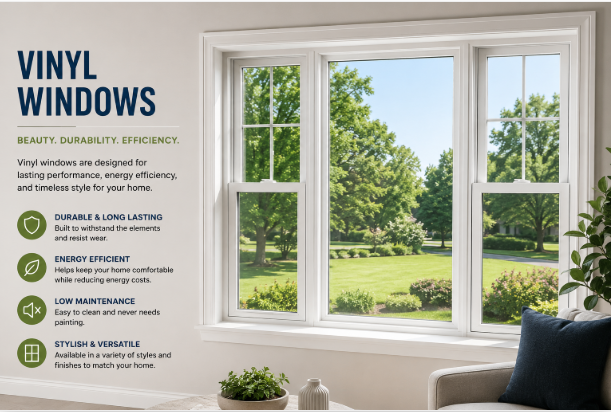
Replacing windows is a significant investment, and no homeowner wants to repeat it every few years. Whether you are upgrading an older home or building new, understanding how long vinyl windows last — and what makes them last longer — is essential before you spend a single penny.
On average, quality vinyl windows last between 20 and 40 years. In milder climates with consistent upkeep, they can reach the upper end of that range comfortably. In harsher environments — think heavy snowfall, extreme heat, or high humidity — windows at the lower end of the quality spectrum may begin to show wear within 15 to 20 years.
Key Factors That Determine How Long Vinyl Windows Last
The lifespan of your vinyl windows does not come down to one thing — it is the combined result of three major factors working together. Skipping any one of them can significantly reduce how many years you get out of your investment.
1. Product Quality Matters Most
The foundation of a long-lasting window starts with what it is made of and how it is built. Vinyl windows come in a wide range of quality levels, and the difference between a budget option and a premium one becomes clear after ten or fifteen years of use. High-quality vinyl is UV-stabilized, meaning it resists fading, warping, and cracking when exposed to sunlight over long periods. Cheaper vinyl, on the other hand, can become brittle or discolored after just a few years of sun exposure.
When shopping for replacement windows, look specifically for products that are ENERGY STAR rated and NAFS 11 tested. These certifications are not just marketing labels — they indicate that the window has been independently evaluated for performance and energy efficiency. In Canada, ENERGY STAR certified windows follow a single nationwide standard, and products should have a minimum Energy Rating (ER) of 34 to meet federal fenestration requirements. In the United States, ENERGY STAR certification ensures the window meets regional climate performance thresholds.
Beyond certifications, many homeowners today are choosing triple-pane windows over the older double-pane standard. Triple-pane units offer superior insulation, reduce condensation between panes, and hold their structural integrity longer because the sealed glass units experience less internal pressure from temperature swings.
Quick comparison of window materials by lifespan:
| Window Material | Average Lifespan | Maintenance Level | Cost Level |
| Vinyl | 20–40 years | Low | Affordable |
| Wood | 15–20 years | High | Moderate–High |
| Aluminum | 20–30 years | Low | Moderate |
| Fiberglass | Up to 50 years | Very Low | High |
Vinyl strikes the best balance for most homeowners — it outlasts wood, matches aluminum in durability, requires little upkeep, and costs significantly less than fiberglass.
2. Professional Installation Extends Window Life
Even the highest-quality window will underperform and fail early if it is not installed correctly. Improper installation is one of the leading causes of premature window failure, and the damage often shows up years later in the form of drafts, water infiltration, mold, and seal failure. This is why choosing a company whose installers follow established building codes and certification guidelines — such as NAFS 11 standards — is just as important as choosing a quality product.
A skilled installer does more than just fit the window into the opening. They inspect the surrounding wall structure for moisture damage, rot, or structural issues before the new window goes in. In older homes especially, wall framing around windows can harbor hidden damage that, if left unaddressed, will allow leaks to accumulate around even a brand-new, perfectly sealed window. An experienced installation team identifies these problems before they become your problem.
What to look for when hiring a window company:
- Verify that installers are certified or trained to NAFS 11 standards
- Ask whether they inspect the surrounding wall structure as part of the installation process
- Read online reviews specifically for mentions of post-installation issues like drafts, leaks, or poor warranty service
- Confirm that the company handles permits and follows local building codes
When installation is done right, you should notice an immediate improvement in comfort, no drafts around the frame, and condensation-free glass during cold months. When it is done poorly, those signs appear quickly — and the damage compounds silently behind the wall.
3. Warranty Coverage Reflects Confidence in the Product
A warranty is more than a piece of paper — it tells you how much a company trusts their own product and workmanship. No manufacturer will offer warranty coverage beyond the realistic life expectancy of their vinyl components, which makes the warranty length a very practical indicator of product quality.
For vinyl windows, a solid warranty should include:
- 20 to 25 years of coverage on vinyl frame components and insulated glass units
- At least 5 years on labor and installation-related issues
- Clear, plain-language terms without excessive exclusions
Be cautious of warranties that look long on paper but contain clauses that void coverage in common real-world scenarios. Read the fine print and ask specifically what is and is not covered before signing anything.
How to Maintain Vinyl Windows for Maximum Lifespan
Once quality windows are properly installed, regular maintenance is what keeps them performing at their best for decades. Vinyl is a naturally low-maintenance material compared to wood, but “low maintenance” does not mean “no maintenance.” A simple routine carried out a couple of times a year goes a long way.
Cleaning the Frames and Glass
Clean your vinyl frames and glass every few months using mild soap and warm water. Avoid harsh abrasive cleaners or solvent-based products, as these can damage the vinyl surface over time. A soft cloth or sponge is all you need.
Regular cleaning prevents dirt and grime from building up in the corners of frames and tracks, where it can restrict movement and accelerate wear.
Inspecting Seals and Caulking
Check the caulking and weather sealing around your windows at least once a year, ideally at the start of autumn before cold weather sets in. Look for cracks, gaps, or sections where the caulk has pulled away from the frame or wall.
Any openings, even small ones, can allow moisture to enter the wall cavity and cause structural damage over time. Reapply exterior-grade caulk wherever gaps appear.
Lubricating Moving Parts
The tracks, hinges, and hardware on operable windows — casements, awnings, sliders — should be lubricated once or twice a year with a silicone-based lubricant.
Do not use WD-40 or oil-based products, as these attract dust and debris and can gum up the mechanism over time. Silicone spray keeps moving parts operating smoothly without the buildup.
Watching for Condensation Between Panes
If you notice foggy or misty glass between the panes of a double or triple-pane window, this is a sign that the sealed unit has failed and the inert gas inside has escaped.
This is not a cleaning issue — it is a seal failure, and it will reduce the window’s insulating ability significantly. Address it promptly by contacting your installer or manufacturer, as it may be covered under your warranty.
Checking for Physical Damage
Once a year, do a full visual inspection of each window. Look for hairline cracks in the vinyl frame, warping at the corners, or any gaps between the frame and the surrounding trim. Small problems caught early are inexpensive to fix. Left alone, they allow water, air, and insects to enter, and the repair cost grows exponentially.
How to Buy Quality Vinyl Windows — Practical Steps
Now that you understand what makes vinyl windows last, here is how to put that knowledge into action when shopping for replacements.
Step 1 — Verify ENERGY STAR Certification. Search the manufacturer or product on the Natural Resources Canada ENERGY STAR database (for Canadian buyers) or the U.S. ENERGY STAR website. If the product is not listed, move on to a company whose products are.
Step 2 — Confirm NAFS 11 Testing. All NAFS 11-tested compliant companies and their window performance ratings are publicly searchable. This tells you the window has been independently tested for air leakage, water resistance, and structural performance.
Step 3 — Read Third-Party Reviews. Look for patterns in Google or Better Business Bureau reviews. When installations consistently go wrong, dissatisfied customers leave reviews that follow similar themes — leaks, poor communication, warranty runaround. When a company does good work, reviews tend to be sparse but positive.
Step 4 — Get the Warranty in Writing. Before committing, ask for the full written warranty document, not just a summary. Confirm the coverage period for both product and labor, and ask what situations would void the warranty.
Step 5 — Ask About the Installation Process. A reputable company will walk you through what happens on installation day — including how they handle any issues they discover in the surrounding wall structure.
Frequently Asked Questions
Q: What is the average lifespan of vinyl windows?
Vinyl windows typically last between 20 and 40 years. The actual lifespan depends on product quality, climate conditions, installation standards, and how consistently the windows are maintained over the years.
Q: Can vinyl windows last 30 years?
Yes, absolutely. High-quality vinyl windows installed correctly and maintained with basic care can reach 30 years or more, particularly in moderate climates where they are not subjected to extreme temperature swings year-round.
Q: How do I know when my vinyl windows need replacing?
Key signs include visible seal failure (fogging between panes), noticeable drafts around the frame, difficulty opening or closing, water stains on interior sills, or visible cracking and warping in the vinyl frame itself.
Q: Does climate affect vinyl window lifespan?
Yes. Extreme heat, intense UV exposure, or severe cold cycles accelerate material wear. In harsher climates, choosing UV-stabilized vinyl and triple-pane glass becomes even more important to achieve the upper end of the expected lifespan.
Q: Are vinyl windows better than wood for longevity?
In most practical scenarios, yes. Wood windows require significantly more maintenance and typically last only 15 to 20 years before issues like rot, warping, or insect damage require replacement. Vinyl outlasts wood with far less effort from the homeowner.
Conclusion
Vinyl windows are a smart, durable, and cost-effective choice when you start with quality products, ensure professional installation, and keep up with basic maintenance over the years. With those three elements in place, a lifespan of 20 to 40 years is a realistic and achievable expectation — giving you decades of comfort, energy efficiency, and peace of mind from a single investment.
Related Articles
How to Make Saltillo Floors Shine Again Expert Tips & Professional Solution
Complete Guide to Roof Ventilation for Metal Roofs: Types, Benefits, Installation & Maintenance
Brass Kitchen Faucets: Types, Benefits, Buying Guide, and Maintenance Tips