Frequent clogging usually points to an underlying issue rather than random bad luck, ranging from low flush power to deeper drain line problems. Below we explain the general reasoning before breaking down specific causes in detail.
Understanding the Root Cause Pattern
When a toilet clogs only occasionally, it is often just user error like excess paper use, but repeated clogging signals a consistent mechanical or plumbing issue.
Identifying whether the problem happens with every flush or only under certain conditions helps narrow down the cause. This pattern recognition is the first step toward a lasting fix rather than temporary plunging.
Why Ignoring the Problem Gets Worse Over Time
Repeated clogs put extra strain on pipes, can lead to overflow damage, and sometimes push minor blockages further into the drain line where they become harder to reach.
What starts as a simple fix can turn into a costly repair if the underlying cause is not addressed early. This makes it important to investigate consistent clogging rather than repeatedly relying on a plunger.
Low Flush Pressure and Water Flow Issues
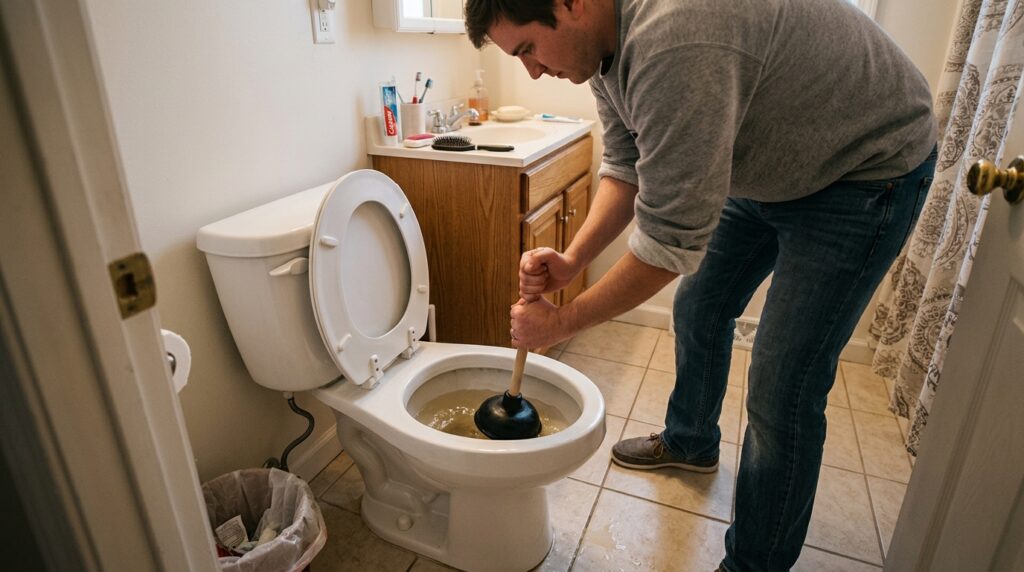
Insufficient water flow during flushing is one of the most common reasons waste and paper fail to clear properly. The subsections below explain the two main contributors to weak flush pressure.
Older Low-Flow Toilet Models
Toilets manufactured before modern flow standards were updated often use significantly less water per flush, sometimes making it difficult to fully clear waste in a single flush. While designed for water conservation, early low-flow models frequently sacrificed flushing power in the process. This is a common reason older toilets clog more often than newer efficient models.
Clogged or Blocked Rim Jets
Small holes located under the toilet rim distribute water evenly to create flushing force, but mineral deposits and debris can block these openings over time. When rim jets are partially clogged, water flows unevenly and reduces overall flush strength. Cleaning these openings regularly with a small brush or wire can restore proper flow.
Excessive or Inappropriate Toilet Paper Use
What goes into the toilet plays a major role in how often clogs occur. The subsections below cover paper thickness and non-flushable items as separate contributing factors.
Thick or Excessive Paper Volume
Using large amounts of toilet paper in a single flush, or using thicker quilted paper types, can overwhelm the pipe’s ability to break down and move waste efficiently. This is especially problematic in older homes with narrower drain pipes. Reducing paper volume per flush or flushing twice for heavier use can significantly reduce clog frequency.
Flushing Non-Flushable Items
Items labeled as flushable wipes, along with cotton balls, dental floss, and paper towels, do not break down the way toilet paper does and frequently cause blockages. These materials can bind together inside pipes, creating stubborn clogs that plungers often cannot clear. Disposing of these items in the trash instead of the toilet prevents this issue entirely.
Drain Line and Pipe Related Problems
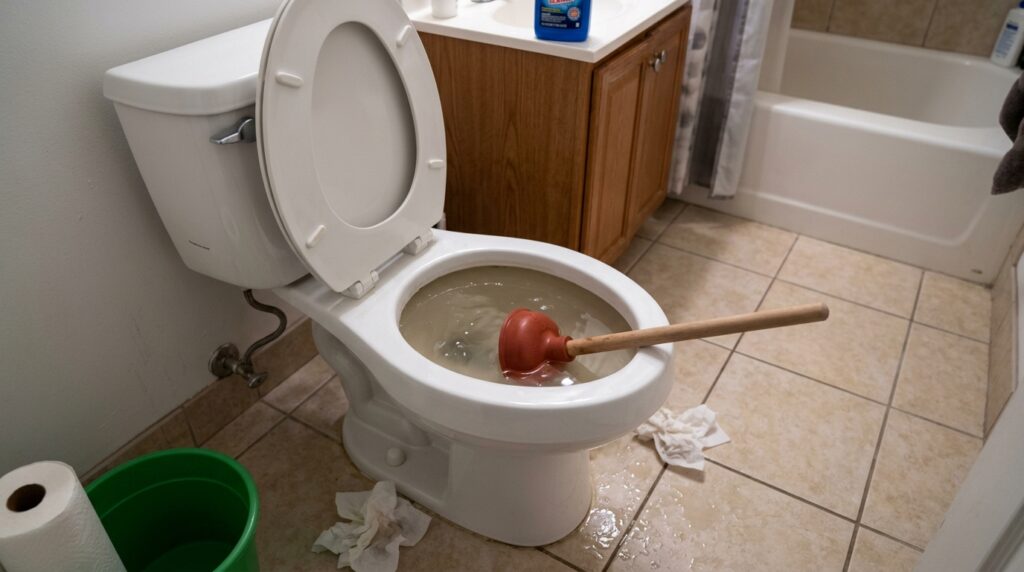
Sometimes the clogging issue is located further down the plumbing system rather than at the toilet itself. The subsections below explain two common pipe-related causes.
Narrow or Outdated Pipe Diameter
Homes with older plumbing systems sometimes have narrower drain pipes that cannot handle modern water usage volumes as efficiently as newer standard-sized pipes. This structural limitation makes clogging more frequent regardless of what is being flushed. In such cases, a plumber may need to evaluate whether pipe replacement is a worthwhile long-term solution.
Tree Root Intrusion in Sewer Lines
Tree roots can infiltrate underground sewer lines through small cracks, gradually restricting flow and causing recurring backups throughout the home, not just in one toilet. This issue often shows symptoms like gurgling sounds or multiple drains clogging simultaneously. A camera inspection by a professional plumber is usually needed to confirm root intrusion.
Toilet Trap and Internal Design Issues
The internal shape of the toilet bowl itself can contribute to ongoing clog problems. The subsections below explain trap design and mineral buildup separately.
Narrow or Poorly Designed Trapway
The trapway is the curved internal passage waste travels through before reaching the drain line, and some toilet models have narrower trapways than others due to design or cost-cutting during manufacturing. A narrow trapway increases the likelihood of blockages even with normal use. Checking manufacturer specifications for trapway diameter can help when choosing a replacement toilet.
Mineral and Sediment Buildup Inside the Bowl
Hard water areas often experience mineral deposits building up inside the trapway and bowl surface, gradually narrowing the passage waste can move through. Over time, this buildup reduces effective flow even if the toilet functioned properly when new. Regular descaling treatments can help slow this gradual narrowing process.
Comparison Table of Common Clogging Causes
The table below summarizes typical causes, their signs, and general solutions for quick reference.
| Cause | Common Sign | General Solution |
| Low flush pressure | Waste remains after flushing | Clean rim jets, consider upgrade |
| Excess paper use | Clog occurs with heavy paper use | Reduce paper volume per flush |
| Non-flushable items | Sudden hard blockage | Dispose items in trash instead |
| Pipe diameter issues | Frequent clogs despite normal use | Professional pipe evaluation |
| Tree root intrusion | Multiple drains affected | Camera inspection and root removal |
| Narrow trapway | Clogs even with light use | Consider toilet replacement |
Practical Steps to Reduce Toilet Clogging
Addressing recurring clogs involves both immediate actions and longer-term habit changes. The subsections below outline the two main approaches.
Immediate Household Fixes
Using a flange plunger correctly, reducing paper volume, and avoiding flushing anything other than waste and toilet paper are simple changes that reduce clog frequency immediately. Testing flush strength by observing water flow can also indicate whether rim jets need cleaning. These small adjustments often solve mild recurring clog issues without professional help.
When to Call a Professional Plumber
If clogs continue despite trying household fixes, or if multiple drains in the home are affected simultaneously, it is time to call a licensed plumber for a deeper inspection.
Persistent clogging combined with slow drainage in sinks or showers often points to a main line issue rather than a toilet-specific problem. Professional equipment like drain cameras and hydro-jetting can resolve issues that home tools cannot reach.
How This Compares to Common DIY Advice Online
Many general troubleshooting guides focus mainly on plunging technique or paper reduction, often overlooking deeper causes like trapway design or tree root intrusion. Compared to these surface-level guides, understanding the full range of causes, from flush mechanics to sewer line conditions, gives homeowners a more complete diagnostic approach.
This broader perspective helps prevent the frustrating cycle of temporary fixes that do not address the actual source of repeated clogging.
Frequently Asked Questions
Why does my toilet keep clogging even with light paper use?
This often points to low flush pressure, a narrow trapway, or blocked rim jets rather than paper volume being the issue.
Can hard water cause toilet clogging?
Yes, mineral buildup from hard water can gradually narrow the trapway and bowl surface, reducing effective flush flow over time.
Should I replace my toilet if it clogs frequently?
If cleaning and household fixes do not help and the toilet is older with a known narrow trapway design, replacement is often a practical long-term solution.
Is it normal for a toilet to clog occasionally?
Occasional clogging from excess paper is common, but frequent or repeated clogging usually indicates an underlying mechanical or plumbing issue that needs attention.
Conclusion
Recurring toilet clogs are rarely random and usually stem from identifiable causes such as weak flush pressure, inappropriate flushed items, outdated pipe systems, or internal design limitations like narrow trapways. By diagnosing the specific pattern behind the clogging and applying the right combination of household fixes or professional plumbing intervention, homeowners can resolve the issue permanently instead of repeatedly treating the same recurring symptom.
Related Articles
Complete Guide to Roof Ventilation for Metal Roofs: Types, Benefits, Installation & Maintenance
Dolomite Countertops: A Marble-Like Stone with Practical Strength
Commercial Garage Door Installation: Complete Guide 2026
How to Cut Ceiling Tiles: A Step-by-Step Guide for Mineral Fiber and Fiberglass Panels