
Measuring windows correctly for curtains is one of the most important steps in achieving a polished and well-balanced interior look. Even a small measuring mistake can lead to curtains that are too short, too long, or don’t fully cover the window, affecting both style and privacy.
In this guide, we will walk you through the basics of getting accurate curtain measurements so you can avoid common errors.
We will also discuss why accurate curtain measurements matter and how they impact the overall appearance and functionality of your space. Before measuring curtains, it’s important to decide your mount type, as it influences how and where you take your measurements.
Why Accurate Curtain Measurements Matter?
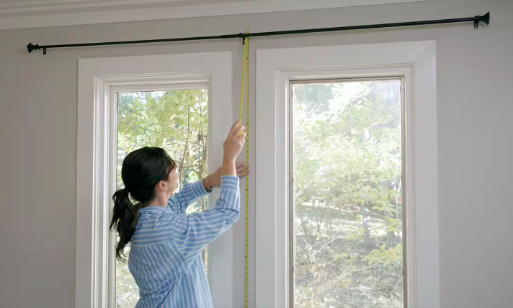
Accurate curtain measurements are important for achieving a polished, professional look in any room. Proper sizing ensures your curtains hang neatly and enhance the overall design instead of looking uneven or awkward.
They also provide better light control and privacy by fully covering the window without gaps. In addition, correctly measured curtains can make a room feel larger and more open by visually extending the height and width of the windows.
Tools You Need to Measure Windows for Curtains
To accurately measure windows for curtains, you need a few essential tools to ensure the curtains fit perfectly, hang evenly, and look professional.
- Measuring tape: For accurate width and height measurements of the window and surrounding area.
- Step ladder: Helps you safely reach higher spots for measuring curtain rod placement.
- Pencil and notepad: To write down measurements and avoid confusion or errors.
- Level (optional): Ensures the curtain rod will hang straight and even.
- All-purpose use: These simple tools help you achieve precise and well-fitted curtain measurements.
Before Measuring Curtains: Decide Your Mount Type
Before taking any measurements, it’s important to decide how you want your curtains to be mounted. This choice affects how and where you measure your window. Below, we are discussing the main mounting options in detail.
Inside Mount Curtains
Inside mount curtains are installed within the window frame for a clean and minimal look. They are measured based on the exact inside dimensions of the window opening. This style is ideal for showing off decorative window frames or trim.
Outside Mount Curtains
Outside mount curtains are hung above and outside the window frame. They are measured by extending beyond the window width and height for better coverage. This option helps block more light and makes windows appear larger.
Which Curtain Mount Is Better?
The better option depends on your needs and room style. Inside mounts suit a neat, compact design, while outside mounts offer better light control and a more dramatic look. Choose based on whether you prioritize style or coverage.
How to Measure Window Width for Curtains?
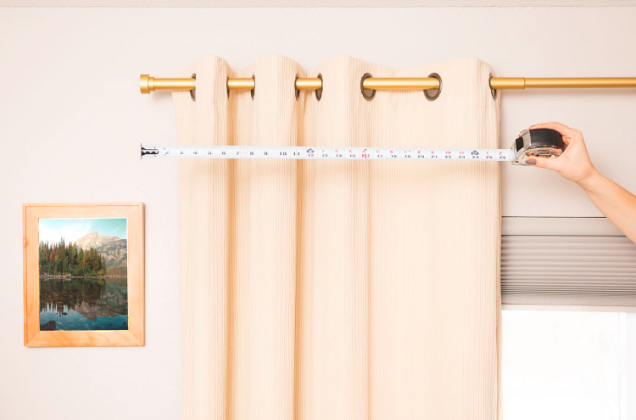
To measure window width for curtains, you should focus on the curtain rod or track rather than just the window frame. This ensures the curtains will fully cover the window and stack properly when open. Always measure the full length of the rod from end to end, excluding the finials (decorative end pieces) if they are removable.
For best coverage, the rod should extend beyond the window frame on both sides, so include that extra space in your measurement. This helps block light more effectively and makes the window look wider. Recording the correct rod width is the key to getting well-fitted, balanced curtains.
How to Measure Curtain Length Correctly
Curtain length depends on where you want the curtains to end in relation to the window or floor. Below, we explain the main curtain length styles.
Sill-Length Curtains
Sill-length curtains are measured to end right at or just above the window sill. They are ideal for kitchens or small windows where a neat, practical look is needed. Make sure to measure straight down without adding extra length.
Apron-Length Curtains
Apron-length curtains extend slightly below the window sill, usually around 4–6 inches. This style is measured from the rod to a point just below the sill for a relaxed look. It works well for casual spaces and adds a soft touch to windows.
Floor-Length Curtains
Floor-length curtains are measured from the rod to just above the floor, typically leaving a small gap. This creates a clean and elegant appearance suitable for living rooms and bedrooms. Precision is important to avoid curtains dragging or floating too high.
Puddle Curtains
Puddle curtains are measured longer so the fabric slightly pools on the floor. This adds a luxurious and dramatic effect to formal spaces. Extra length is intentionally included beyond floor level for the “puddle” look.
Where to Hang Curtain Rods for Best Results?
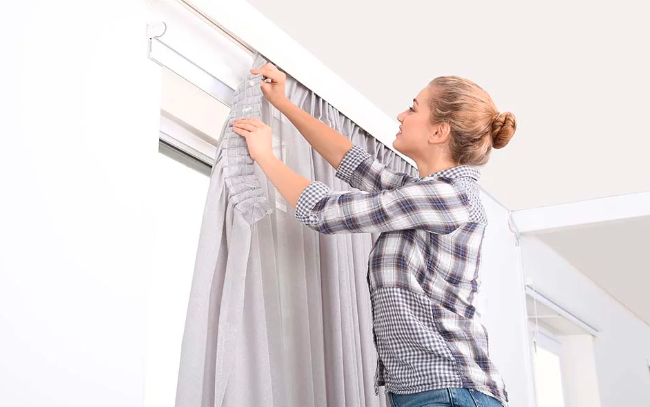
Curtain rod placement plays a key role in how your windows and room will look overall. For the best results, the rod should be installed higher than the window frame—typically 4 to 6 inches above it—to create the illusion of taller windows.
It should also extend beyond the window width on both sides, usually 3 to 10 inches, so the curtains can fully clear the glass when open. This allows more natural light in and makes the window appear wider.
In general, placing the rod closer to the ceiling and wider than the frame gives a more spacious, balanced, and elegant look to the room.
How to Measure Windows for Different Curtain Styles
Different curtain styles hang differently, so measurements need slight adjustments based on the heading type and how the fabric attaches to the rod. Below is how each style is measured.
Grommet Curtains
Grommet curtains hang from metal rings built into the fabric. Measure from the top of the curtain rod down to your desired length since the rings sit directly on the rod. Keep in mind they naturally sit slightly lower, so precise rod height matters.
Rod Pocket Curtains
Rod pocket curtains slide directly onto the rod through a sewn pocket. Measure from the rod position to the desired end point of the curtain. Since the fabric gathers above the rod, ensure extra height is accounted for in placement.
Pinch Pleat Curtains
Pinch pleat curtains use hooks attached to rings or a track system. Measure from the top of the rod or track to the required length. The header sits above the rod line, so adjust measurements to reflect hook placement.
Eyelet Curtains
Eyelet curtains are similar to grommet styles, with large rings at the top. Measure from the rod to the intended curtain length, as the eyelets sit directly on the rod. This style creates even folds, so consistent rod height is important.
Curtain Rings and Hooks
Curtains using rings and hooks hang slightly below the rod depending on hardware size. Measure from the ring or track position rather than just the rod top. This ensures the final curtain length remains accurate and evenly aligned.
How to Measure Bay Windows for Curtains
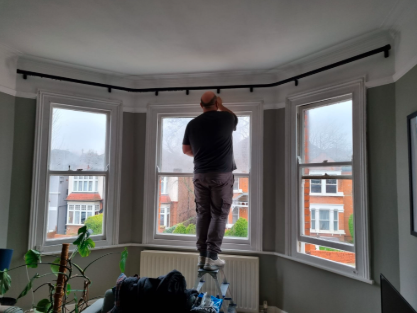
To measure bay windows for curtains, measure the width of each window section separately, including corners, and then add them together for the total width of a continuous track or pole. Add about 15 cm on each side for proper stacking space when curtains are open.
For height, measure from the curtain track position down to the floor or sill. Also add around 30 cm above the window frame for rod placement, so the curtains hang higher and allow full light coverage when needed.
How to Measure Sliding Glass Doors for Curtains
To measure sliding glass doors for curtains, start by measuring the total width of the door frame and add 6–10 inches to allow proper overlap and stacking space when the curtains are open. This ensures full coverage and smooth movement.
For height, measure from the intended rod placement—usually 2–3 inches above the door frame—down to the floor. Then subtract about 0.5–1 inch so the curtains don’t drag and can move easily.
Common Curtain Measuring Mistakes to Avoid
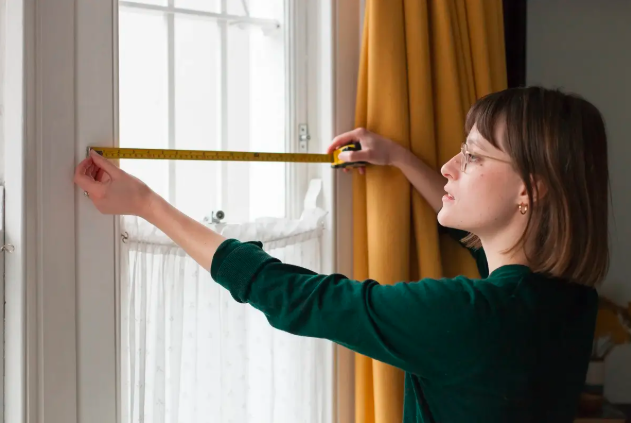
Accurate curtain measurement is important to avoid fitting and styling issues later on. Below, we are discussing the most common mistakes people make while measuring curtains and how to avoid them.
- Measuring only once
Always measure at least twice to confirm accuracy. A single measurement can lead to errors that affect fit and appearance. - Ignoring curtain fullness
Not adding extra width for fullness can make curtains look flat and stretched instead of soft and elegant. - Hanging rods too low
Installing rods too close to the window frame makes the room look smaller and reduces visual height. - Forgetting floor clearance
Not leaving proper clearance can cause curtains to drag or hang unevenly on the floor. - Using cloth measuring tape
Cloth tapes can stretch or bend, leading to inaccurate measurements compared to a metal measuring tape.
Frequently Asked Questions
Do I measure the window or the curtain rod for width?
You should always measure the curtain rod or track, not just the window frame. This ensures full coverage and proper stacking space when curtains are open.
How much extra width should I add for curtains?
It is recommended to add 6–10 inches on each side of the window. This helps curtains fully cover the glass and improves light control.
What is the best height to install a curtain rod?
The rod should usually be placed 2–6 inches above the window frame, or closer to the ceiling for a taller, more elegant look.
How much fullness should curtains have?
Curtains should generally be 1.5 to 2.5 times the rod width to create natural folds and a fuller appearance.
How do I decide curtain length for different rooms?
It depends on style—sill length for kitchens, floor length for living rooms and bedrooms, and puddle length for a luxury feel.
Can I use the same method for all window types?
No, different windows like bay windows or sliding doors need adjusted measurements for angles, stacking space, and coverage.
What happens if I miscalculate curtain measurements?
Incorrect measurements can lead to poor fit, uneven hanging, reduced privacy, and a less polished overall look.
Conclusion
Measuring windows for curtains correctly is essential for achieving a perfect fit and a stylish finish. From choosing the right mount type to calculating width, length, and rod placement, every step plays an important role in the final look. Proper measurements also improve light control, privacy, and the overall balance of the room.
By avoiding common mistakes and following the right formulas for different curtain styles, you can ensure a more professional and elegant result. In short, accurate measuring is the key to making your curtains both functional and visually appealing.
Related Articles
Best Primer for Painting Kitchen Cabinets – Complete Easy Guide for Smooth & Durable Cabinets
How Long Do Vinyl Windows Last? A Complete Guide
Steel vs Fiberglass Door: Which One Should You Choose?
Dolomite Countertops: A Marble-Like Stone with Practical Strength