

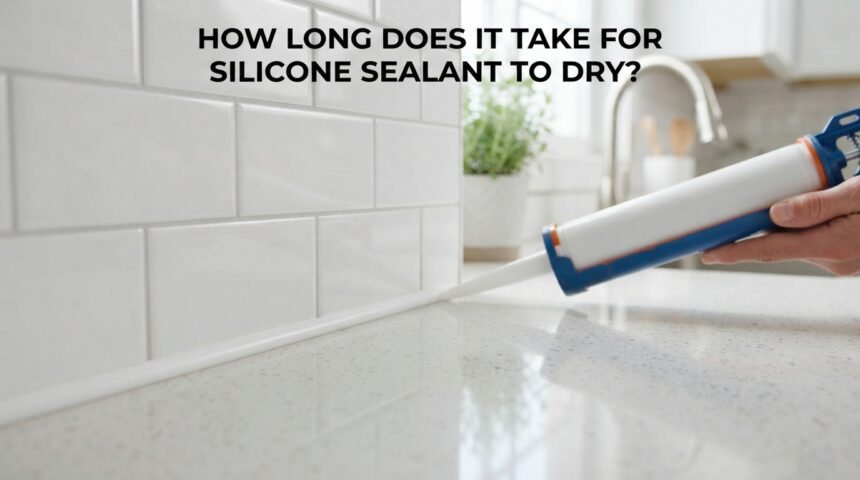
Silicone sealant is one of the most commonly used materials for sealing gaps, joints, and cracks in bathrooms, kitchens, windows, and outdoor fixtures. Many people apply it without knowing exactly how long it needs before it can be touched, exposed to water, or put under pressure.
Understanding how long does it take for silicone sealant to dry is important because using it too early can ruin the seal completely. In general, silicone becomes dry to the touch within about an hour, but it needs much longer to cure fully and become waterproof.
Understanding Dry Time vs Cure Time
Before knowing the exact drying period, it is important to understand that silicone dries in two separate stages. These stages are often confused with each other, which leads to people using sealed areas too soon.
Touch-Dry Time
Touch-dry time is the stage where the outer surface of the silicone forms a thin skin. This usually happens within 30 minutes to 1 hour after application. At this stage, the sealant may look finished, but the inner layers are still soft and not fully set.
Full Cure Time
Full cure time is when the silicone hardens completely from the surface down to the base. This process usually takes 24 hours for a thin bead, but thicker applications can take up to 3 to 7 days. Only after full curing is the seal considered waterproof and durable.
Factors That Affect Silicone Drying Time
Several environmental and application-related factors decide how fast or slow silicone sealant will dry. Ignoring these factors can lead to a longer wait or a weaker seal.
Humidity Levels
Silicone sealant actually needs moisture in the air to cure properly, since the curing reaction depends on airborne humidity. In very dry environments, curing can slow down significantly, while moderate humidity speeds up the process naturally.
Room Temperature
Warmer temperatures generally help silicone cure faster, while cold conditions slow the chemical reaction down. Most manufacturers recommend applying silicone between 40°F and 100°F for the best results.
Thickness of Application
A thin, even bead of silicone will dry much faster than a thick, uneven layer. Thick layers trap moisture inside, which extends both the touch-dry and full cure stages considerably.
Drying Time by Type of Silicone Sealant
Not all silicone sealants dry at the same pace, since formulas differ based on their intended use. Knowing the type you are using helps set the right expectations for drying.
100% Silicone Sealant
Pure 100% silicone sealant is known for strong flexibility and water resistance, and it typically takes 24 hours to cure under normal conditions. This type is commonly used in bathrooms, kitchens, and outdoor fixtures.
Acetoxy vs Neutral Cure Silicone
Acetoxy-cure silicone releases a vinegar-like smell while curing and usually dries faster than neutral-cure types. Neutral-cure silicone has little to no odor and is gentler on sensitive surfaces like metal and stone, but it may take slightly longer to fully set.
Specialty Silicones
Marine-grade, high-temperature, and aquarium-safe silicones are designed for extreme conditions and often require extended curing times. These specialty types can take anywhere from 24 hours to a full week, depending on the brand and thickness applied.
Drying Time by Application Area
The location where silicone sealant is applied also influences how long it needs before use. Different areas face different exposure to water, heat, and movement.
Bathroom and Shower Sealant
Bathroom silicone should ideally be left untouched for at least 24 hours before light use, and avoided from direct water contact for up to 3 days. This ensures the seal around tubs and showers becomes fully waterproof.
Kitchen and Sink Sealant
Kitchen sealant around sinks and countertops usually needs 24 hours of dry time before regular use begins. Since kitchens see frequent water exposure, allowing the full cure period prevents leaks and mold growth.
Windows and Doors Sealant
Silicone used around windows and doors is less exposed to constant moisture, so it typically dries within 24 hours as well. However, exterior applications may need extra time in colder or more humid climates.
Signs That Silicone Sealant Has Fully Dried
Instead of guessing, there are simple ways to check whether the silicone has cured properly before using the sealed area.
Visual and Touch Signs
Fully cured silicone appears smooth, matte, and firm, without any glossy or tacky texture remaining. Pressing gently should not leave any indentation or residue on your finger.
Smell Test
Acetoxy-cure silicone releases a strong vinegar-like odor while curing, and this smell fading away is a good sign that curing is complete. If the smell is still strong, the silicone likely needs more time to finish setting.
Tips to Speed Up Silicone Drying
While silicone cannot be rushed excessively, a few practical steps can help it dry more efficiently without damaging the seal.
Improve Ventilation
Keeping windows open or using a fan helps maintain consistent airflow, which supports faster moisture-based curing. Good ventilation is especially helpful in bathrooms and kitchens where humidity naturally builds up.
Apply Thin Even Layers
Applying silicone in a thin, consistent bead rather than a thick layer allows air and moisture to reach all parts of the sealant evenly. This simple technique significantly reduces the overall curing time.
Quick Reference Table
| Silicone Type / Area | Touch-Dry Time | Full Cure Time |
| Standard 100% Silicone | 30–60 minutes | 24 hours |
| Bathroom/Shower Sealant | 30–60 minutes | 24–72 hours |
| Kitchen Sink Sealant | 30–60 minutes | 24 hours |
| Window/Door Sealant | 30–60 minutes | 24 hours |
| Marine/High-Temp Silicone | 1 hour | Up to 7 days |
FAQs
Can I shower after applying silicone sealant?
It is best to wait at least 24 hours before showering, and ideally up to 72 hours for full water resistance.
Does silicone sealant dry faster in sunlight?
Yes, warmth from sunlight can speed up curing, but direct heat should be avoided during the initial application.
Can a hairdryer speed up silicone curing?
Light warm airflow can help slightly, but high heat should be avoided since it can cause uneven curing or cracking.
What happens if silicone sealant doesn’t fully dry?
Unset silicone will remain soft, sticky, and prone to smudging, and it will not provide proper water resistance until cured.
Conclusion
Knowing how long does it take for silicone sealant to dry helps you avoid weak seals and future leaks. While it becomes touch-dry within an hour, waiting the full 24 to 72 hours ensures a durable, waterproof result for any project.
Related Articles
How to Insulate Basement Ceiling
Do You Need Gutters with a Metal Roof?
How Much to Waterproof a Basement: Complete guide 2026
Why Does My Shower Squeal? Complete Guide to Causes and Fixes
How Do You Remove Smoke Stains From Walls? Complete Step-by-Step Guide