
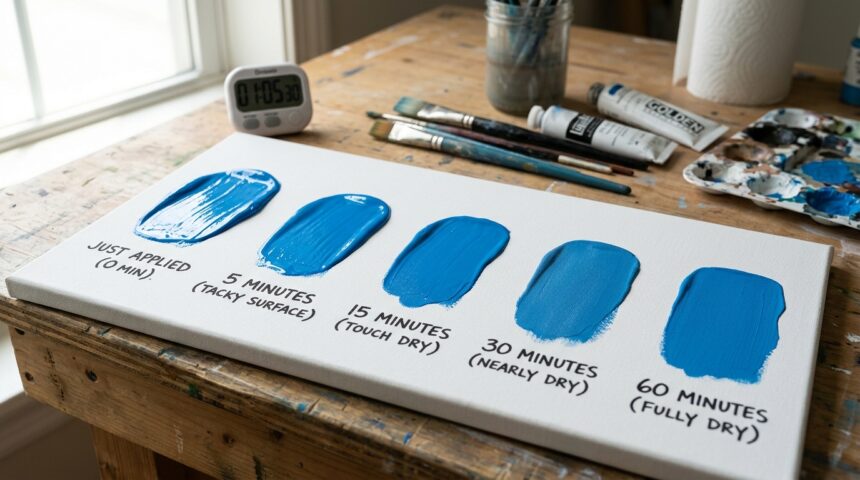
If you are asking how long does it take for acrylic paint to dry, the short answer is that it usually becomes touch-dry within twenty to thirty minutes under normal room conditions. However, this quick surface dryness does not mean the paint has fully hardened all the way through.
Complete curing, where the paint reaches its final strength and durability, can take anywhere from twenty-four hours to several weeks depending on the thickness of the layer applied. Many beginner painters make the mistake of judging dryness only by touch, which often leads to smudges or damage later.
Understanding both the surface drying time and the deeper curing process helps you plan your painting sessions, framing schedule, and varnishing timeline more accurately without ruining your artwork.
Understanding Acrylic Paint and Its Drying Process
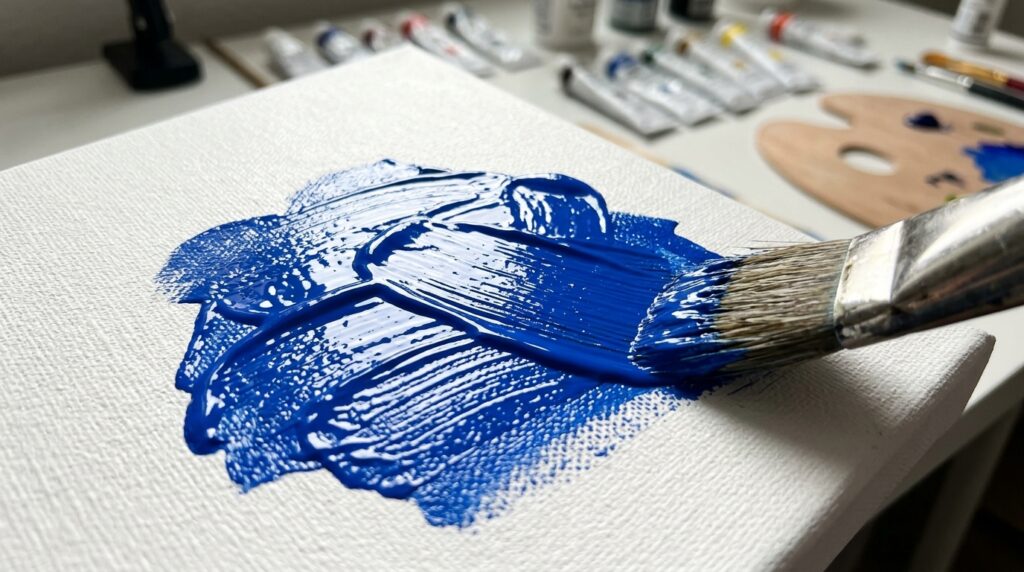
Before figuring out exactly how long does it take for acrylic paint to dry, it helps to understand what acrylic paint actually is and why its drying behavior differs from other paint types. This section breaks down the basics so the rest of the guide makes more sense.
What Is Acrylic Paint
Acrylic paint is a water-based paint made from pigment particles suspended in an acrylic polymer emulsion. Unlike oil paints, which dry through a slow oxidation process, acrylics dry through water evaporation. Once the water content evaporates from the surface, the polymer particles bond together, forming a flexible and durable paint film that adheres well to most surfaces.
Why Drying Time Matters
Drying time affects almost every decision a painter makes, from how many layers can be applied in one sitting to when a finished piece can be safely varnished or shipped. Painting too early on a wet layer can smear colors, while waiting unnecessarily can slow down your creative workflow. Knowing realistic timeframes prevents both mistakes.
The Different Stages of Acrylic Paint Drying
Acrylic paint does not dry in a single step; it passes through several distinct stages before it is considered completely finished. Recognizing these stages helps you understand why touch-dry paint sometimes still feels different weeks later.
Touch-Dry Stage
This is the earliest stage, where the surface of the paint feels dry when lightly touched, usually within twenty to thirty minutes. At this point, the top layer has lost most of its surface moisture, but the paint underneath is still soft and vulnerable to pressure or scratching.
Recoat Stage
The recoat stage refers to the point where a new layer of paint can safely be added without disturbing the layer beneath it. This usually happens within one to two hours, though thicker applications may require a longer wait before recoating is safe.
Fully Cured Stage
Full curing is the final stage where the paint reaches maximum hardness and chemical stability. This process can take anywhere from a few days to several weeks, depending on layer thickness, and is the stage at which paintings are safest to varnish, frame, or handle roughly.
Average Drying Times for Acrylic Paint

Drying speed changes significantly based on how thick the paint layer is, and this is one of the most common questions painters have. The table below gives a quick overview before the detailed explanation for each layer type.
| Layer Type | Touch-Dry Time | Full Cure Time |
| Thin wash | 10–15 minutes | 1–3 days |
| Medium layer | 20–30 minutes | 3–7 days |
| Thick or impasto layer | 1–2 hours | 1–3 weeks |
Thin Layers and Washes
Thin washes, often created by diluting acrylic paint with water, dry the fastest because there is very little material for moisture to evaporate from. These layers can feel dry to the touch within just ten to fifteen minutes in most environments.
Medium Layers
A standard brushstroke applied at normal consistency usually takes between twenty and thirty minutes to become touch-dry. This is the most common thickness used in everyday painting projects and forms the baseline most articles refer to when discussing drying time.
Thick Layers and Impasto
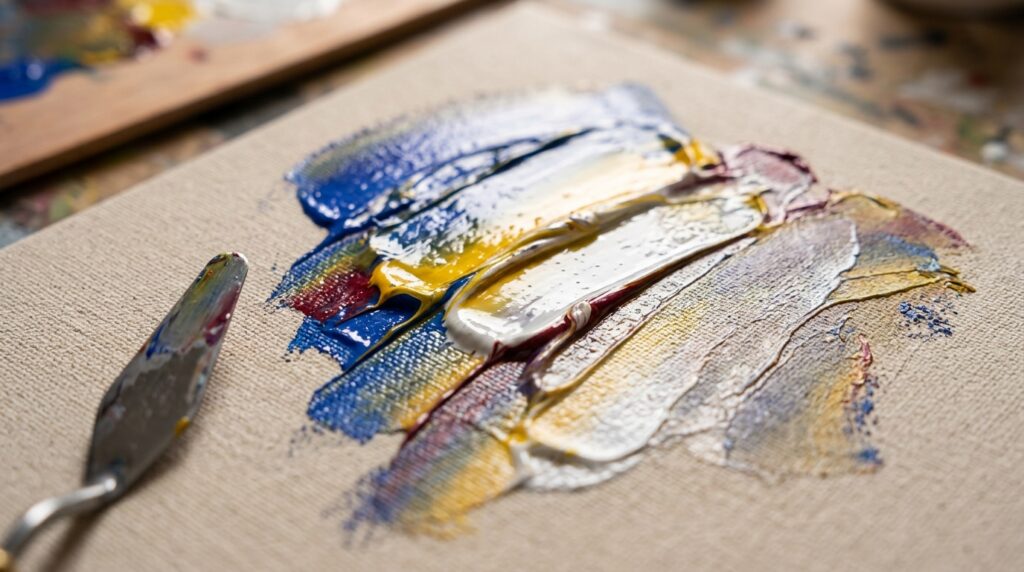
Thick layers, especially those applied using palette knives in an impasto style, hold much more moisture and pigment volume. These layers can take one to two hours just to feel dry on the surface, with full curing stretching out to two or three weeks.
Factors That Affect Acrylic Paint Drying Time
Several environmental and material factors influence how long does it take for acrylic paint to dry in real painting conditions, and no two setups behave exactly the same way. Understanding these variables helps you predict drying time more accurately for your specific workspace.
Humidity and Temperature
High humidity slows evaporation significantly, since the surrounding air is already saturated with moisture and cannot absorb more from the paint. Warmer, drier rooms speed up the process considerably, which is why painters in humid climates often notice much longer drying times than expected.
Paint Thickness and Application
The amount of paint applied directly affects drying speed, since thicker layers hold more water that needs to evaporate. Applying paint in thin, even coats rather than one heavy layer is one of the simplest ways to control drying time.
Surface Type and Paint Quality
Absorbent surfaces like raw canvas or paper pull moisture away faster than sealed or primed surfaces, speeding up surface drying. Additionally, paint quality and formulation vary between brands, meaning some professional-grade acrylics are engineered to dry slower for blending purposes.
Drying Time by Type of Acrylic Paint
Not all acrylic paints behave the same way, and manufacturers often formulate different product lines specifically to dry faster or slower depending on the intended use. Knowing your paint type helps set realistic expectations.
Heavy Body and Soft Body Acrylics
Heavy body acrylics have a thick, buttery consistency similar to oil paint and naturally take slightly longer to dry due to their density. Soft body acrylics have a smoother, more fluid texture and tend to dry a little faster since they spread thinner across the surface.
Fluid Acrylics and Acrylic Inks
Fluid acrylics and acrylic inks have a much thinner, almost watery consistency, allowing them to dry extremely quickly, often within minutes. These formulas are popular for pouring techniques and detailed linework where fast drying speeds up the overall workflow.
Open or Slow-Drying Acrylics
Open acrylics are specially formulated with extended open time, sometimes staying workable for several hours instead of minutes. These are ideal for artists who want to blend colors smoothly on the canvas without the paint setting too quickly.
How to Speed Up Acrylic Paint Drying
Sometimes painters need their work to dry faster, whether due to time constraints or layering requirements, and there are several practical techniques to achieve this safely without damaging the paint film.
Using Fans, Hairdryers and Airflow
Placing a fan near your painting or using a hairdryer on a cool, low setting increases airflow across the surface, speeding up moisture evaporation. It is important to avoid high heat settings, as this can cause the paint surface to crack or bubble unevenly.
Applying Thin Layers and Quick-Dry Mediums
Building your painting using multiple thin layers instead of one thick coat naturally reduces drying time at each stage. Quick-dry mediums can also be mixed into the paint to accelerate the evaporation process without significantly altering color or texture.
How to Slow Down Drying for Blending
While fast drying is convenient for productivity, many painting techniques like blending and wet-on-wet work require the paint to stay workable longer, making slower drying desirable in certain situations.
Using Retarder Mediums
Retarder mediums are specifically designed additives that extend the open working time of acrylic paint by slowing water evaporation. Adding even a small amount can give painters significantly more time to blend colors smoothly on the canvas.
Working in Cooler Humid Conditions
Painting in a cooler room with slightly higher humidity naturally extends drying time without any additives. Many artists also mist their palette lightly with water to keep paint workable for longer blending sessions.
Common Mistakes to Avoid While Painting
Even experienced painters occasionally misjudge acrylic drying times, leading to avoidable damage or frustration. Being aware of these common pitfalls can save both time and finished artwork.
Painting Over Wet Layers Too Soon
Adding new paint before the previous layer has properly set often causes colors to blend unintentionally or lift off the canvas. Waiting for the recoat stage, rather than just the touch-dry stage, prevents this common issue.
Ignoring Environmental Conditions
Many painters assume drying time is fixed and ignore how humidity, temperature, and airflow in their specific workspace affect results. Adjusting expectations based on your actual environment leads to far more predictable outcomes.
How to Test If Acrylic Paint Is Fully Dry
Since surface appearance can be misleading, using a proper testing method is the most reliable way to confirm your painting is ready for the next step, whether that is another layer or final varnishing.
Touch and Visual Sheen Test
Gently touching an inconspicuous area of the painting with clean, dry fingers can reveal if any tackiness remains beneath the surface. A shift from a slightly glossy wet look to a more matte, even sheen also indicates the paint has dried properly.
Recommended Waiting Periods
As a general guideline, waiting at least twenty-four hours before handling and a full one to two weeks before varnishing ensures the paint has cured sufficiently. Thicker applications should be given even more time to be safe.
Drying Time for Specific Acrylic Painting Projects
Different painting surfaces and project types can influence overall drying behavior, so it helps to look at how timelines shift depending on what you are working on.
Canvas and Paper Projects
Canvas and paper are common surfaces that generally follow standard drying timelines, since both are moderately absorbent. Paper especially tends to dry a little faster due to its thinner, more porous structure compared to primed canvas.
Wood, Fabric and Outdoor Projects
Wood surfaces often require longer drying times due to their density and natural texture, while fabric painting depends heavily on the type of fabric medium used. Outdoor murals typically need extra drying time due to exposure to changing weather conditions.
Storing and Curing Your Painted Artwork
Proper storage during the drying and curing period plays a major role in how well a painting holds up over time, making this final stage just as important as the painting process itself.
Safe Drying Environment
Paintings should be stored flat or upright in a dust-free area with stable temperature and humidity levels while curing. Avoiding direct sunlight during this period also helps prevent uneven drying or premature fading.
When to Varnish or Frame
Varnishing should only be done after the painting has fully cured, typically after two to four weeks, to avoid trapping moisture beneath the varnish layer. Framing behind glass can generally be done a little earlier, provided the surface is completely touch-dry.
Frequently Asked Questions
How long does it take for acrylic paint to dry completely?
Acrylic paint usually feels dry to the touch within thirty minutes, but complete curing can take one to several weeks depending on thickness.
Can I speed up acrylic paint drying with a hairdryer?
Yes, using a hairdryer on a cool, low setting can safely speed up drying without damaging the paint surface.
Does humidity affect acrylic paint drying time?
Yes, high humidity slows down evaporation significantly, often extending drying times well beyond normal expectations.
How long should I wait before varnishing acrylic paint?
It is generally recommended to wait two to four weeks after painting before applying varnish to avoid trapping moisture.
Conclusion
Understanding how long does it take for acrylic paint to dry comes down to recognizing the difference between quick surface drying and complete curing over time. Factors like humidity, layer thickness, and paint type all play a role in the final timeline. By applying thin layers, controlling your environment, and testing properly before varnishing, you can achieve better results and protect your artwork for years to come.
Related Articles
How to Program a Garage Door Opener? Step-by-Step Guide for All Brands
How Do You Hang Wall Cabinets? A Complete Step-by-Step Guide
How to Get Urine Smell Out of Bathroom: Complete Guide
How to Measure a Ceiling Fan: The Complete Size Guide for Every Room