


If you are buying or selling a property, one of the first questions that comes to mind is how long does the home inspection take. On average, a standard home inspection takes between two to four hours to complete.
However, the exact duration depends on several factors such as the size of the property, its age, and how easily accessible different areas are. Smaller homes can be inspected in under two hours, while larger or older properties may need four hours or more.
Understanding this timeline helps buyers and sellers plan their day accordingly and avoid unnecessary stress on inspection day.
What Is a Home Inspection?
A home inspection is a detailed visual examination of a property’s structure, systems, and overall condition, carried out by a licensed professional. It is performed to give buyers a clear picture of the home’s real condition before finalizing a purchase.
During this process, the inspector checks the foundation, roof, plumbing, electrical systems, and other major components of the house. The goal is not to pass or fail a home but to document its current state honestly. This report then becomes a valuable tool during price negotiations or repair discussions between the buyer and seller.
Average Time for a Home Inspection
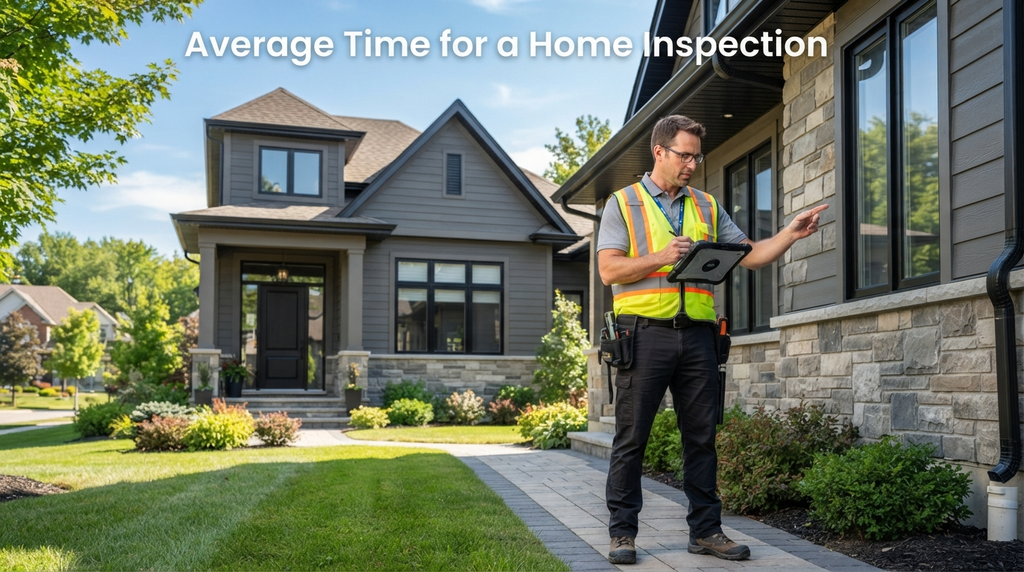
Most inspections fall within the two to four hour range, but the actual number of hours changes based on how big the property is. Below is a simple breakdown that gives you a general idea before the inspector even arrives at the property.
Small Homes and Condos
Homes or condos under 1,000 square feet usually take about one and a half to two hours to inspect fully. These properties have fewer rooms and systems to check, which naturally shortens the process. Even so, a thorough inspector will still examine every accessible corner carefully.
Average Sized Homes
A typical single-family home between 1,000 and 3,000 square feet generally takes two to three hours.
This is the most common range that most buyers will experience, since it covers the majority of homes currently on the market. The additional rooms and systems require a bit more time compared to smaller units.
Large Homes
Properties larger than 3,000 square feet, especially those with multiple stories, basements, or additional structures, can take three to five hours or even longer. Bigger homes simply have more square footage, more systems, and more potential issues that need proper documentation.
Factors That Affect Inspection Duration
Beyond just square footage, several other elements influence how long an inspector will need at the property. Knowing these factors in advance helps set realistic expectations for the day of the inspection.
Age of the Property
Older homes typically require more time because they often have outdated wiring, plumbing, or structural elements that need closer examination.
Newer construction, on the other hand, tends to move faster since systems are usually up to code. An experienced inspector will always spend extra time on aging components to catch hidden problems.
Number of Rooms and Levels
Homes with more bedrooms, bathrooms, and floors naturally take longer since each additional space must be checked individually.
A two-story house with a finished basement will always take more time than a single-level home of similar total size. Multiple levels also mean more staircases, more electrical outlets, and more plumbing fixtures to review.
Accessibility of Key Areas
If areas like the attic, crawl space, or basement are cluttered or hard to reach, the inspector will need extra time to access and evaluate them properly.
Clear pathways and open access points can significantly speed up the entire process. On the other hand, locked rooms or blocked areas may even require a follow-up visit.
Additional Structures
Detached garages, sheds, decks, and swimming pools add extra time to the overall inspection since each structure is assessed separately.
These add-ons are not always included in a standard inspection package, so it is worth confirming with the inspector beforehand. The more outdoor structures a property has, the longer the full evaluation will take.
Inspector’s Experience and Tools
A highly experienced inspector may work efficiently without cutting corners, while others might take longer due to a more meticulous approach.
The use of specialized equipment, such as thermal imaging cameras or moisture meters, can also add time but often results in a more accurate report. Ultimately, thoroughness should always be valued over speed.
What Happens During Each Phase of the Inspection
A complete home inspection is broken into different stages, each focusing on a specific part of the property. Understanding these phases makes it easier to see exactly where the time actually goes.
Exterior Inspection
The inspector begins by examining the roof, siding, foundation, gutters, and drainage systems around the property.
This phase usually takes around thirty minutes to an hour depending on the size of the exterior. Any visible cracks, water damage, or structural concerns are carefully noted during this stage.
Interior Inspection
Next, the inspector moves inside to check walls, ceilings, floors, windows, and doors throughout the home. This part often takes the longest since every room needs individual attention. Small details like window seals or minor cracks are documented as part of the overall condition report.
Systems Check
Electrical panels, plumbing lines, and HVAC systems are tested to confirm they are functioning safely and correctly.
This technical portion usually requires around thirty minutes to an hour depending on the complexity of the systems installed. Any outdated or unsafe components are flagged clearly in the final report.
Attic, Basement, and Crawl Space
These often-overlooked areas are inspected for insulation quality, moisture issues, and structural integrity. Because access can be tricky, this phase may take longer than expected, especially in older homes. Proper ventilation and signs of pest activity are also checked here.
Should the Buyer Be Present During the Inspection?
Buyers are not required to attend, but being present offers a huge advantage in understanding the property’s real condition firsthand. Walking through the home alongside the inspector allows buyers to ask direct questions and see issues explained in real time.
That said, active participation can slightly extend the inspection time since inspectors often pause to answer questions or explain specific findings. This extra time is usually well worth it, as it helps buyers make more informed decisions before closing the deal.
What Happens After the Inspection?
Once the physical walkthrough is complete, the inspector needs additional time to prepare a detailed written report. This report typically arrives within twenty-four to forty-eight hours after the inspection date, depending on the company’s workflow.
The final document includes photographs, descriptions of any issues found, and recommendations for repairs or further evaluation. Buyers and their agents then use this report to negotiate repairs, request credits, or in some cases, reconsider the purchase altogether.
Tips to Help the Inspection Go Smoothly and Faster
A few simple preparations can make a noticeable difference in how quickly and smoothly the inspection proceeds on the actual day.
| Preparation Step | Why It Helps |
| Clear access to attic, basement, and utility rooms | Prevents delays caused by blocked entry points |
| Turn on all utilities beforehand | Allows systems to be tested without interruption |
| Remove clutter near key inspection points | Speeds up visual checks in tight spaces |
| Provide past repair or renovation documents | Gives the inspector useful background context |
| Secure or move pets during the visit | Keeps the inspector safe and focused |
Following these small steps ensures the inspector can move efficiently through the property without unnecessary interruptions.
Common Myths About Home Inspection Timing
Many people assume that a faster inspection automatically means a lower quality one, but that is not always accurate. Experienced inspectors can sometimes work efficiently while still covering every important detail thoroughly.
Another common misconception is that every home takes the same amount of time regardless of size or condition, which simply is not true. As explained earlier, factors like square footage, age, and accessibility all play a direct role in determining the final duration.
Frequently Asked Questions
How long does the home inspection take for an average house?
Most average sized homes take between two to three hours to inspect completely, depending on their condition and layout.
Can a home inspection take less than an hour?
It is unlikely for a full, thorough inspection, since even small properties usually need at least ninety minutes to be properly evaluated.
Does the buyer need to attend the entire inspection?
No, buyers can attend just the final walkthrough if they cannot stay for the full duration, though being present throughout offers more insight.
How soon after the inspection is the report ready?
Reports are typically delivered within twenty-four to forty-eight hours after the inspection is completed.
Conclusion
In summary, the answer to how long does the home inspection take usually falls between two to four hours for most properties.
The exact time depends on the home’s size, age, accessibility, and overall condition. Preparing the property in advance and understanding what to expect can make the entire process faster and far less stressful for everyone involved.
Related Articles
How High Should a Toilet Flange Be? Complete Height & Installation Guide
Can Lights in Ceiling Tiles: A Complete Installation Guide 2026
Dolomite Countertops: A Marble-Like Stone with Practical Strength
How to Program a Garage Door Opener? Step-by-Step Guide for All Brands