

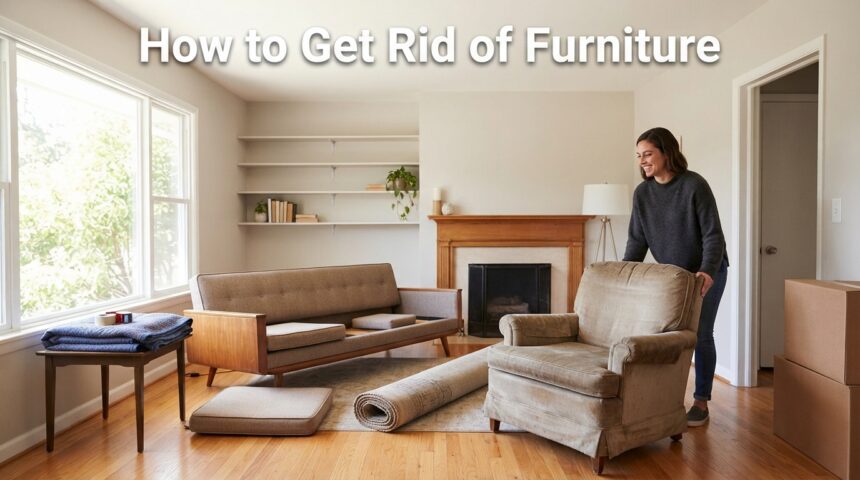
Old furniture piling up in your home can feel overwhelming, especially when you don’t know where to start. Whether you’re moving, renovating, or simply decluttering, learning how to get rid of furniture the right way saves you time, money, and unnecessary stress.
This guide walks you through every practical option available, from selling and donating to recycling and professional pickup services. By the end, you’ll know exactly which method suits your situation best and how to execute it smoothly.
Why You Should Get Rid of Furniture the Right Way
Getting rid of furniture carelessly can create legal, financial, and environmental problems. Choosing the correct method ensures the process is smooth, responsible, and even beneficial to others.
Benefits of Responsible Furniture Disposal
When you dispose of furniture thoughtfully, you reduce landfill waste and give items a second life through reuse or recycling.
It also opens the door to financial benefits like resale income or tax deductions for donations. Most importantly, it helps families and individuals who genuinely need affordable or free furniture.
Common Reasons People Need to Remove Furniture
People often need to get rid of furniture due to relocation, home renovations, upgrading to newer pieces, or simply because an item is damaged beyond repair.
Downsizing homes and clearing out inherited belongings are also common triggers. Understanding your specific reason helps determine the fastest and most suitable removal method.
Best Ways to Get Rid of Furniture
There isn’t a single “best” way to get rid of furniture since it depends on the item’s condition, your budget, and how quickly you need it gone. Below are the most reliable options people use today.
Selling Your Furniture
If your furniture is still in good condition, selling it on platforms like Facebook Marketplace, OfferUp, or Craigslist can put some cash back in your pocket.
Take clear photos, write an honest description, and price items fairly based on their age and condition. This method works best when you’re not in a rush and want maximum value from your pieces.
Donating to Charity
Donating is one of the most rewarding ways to get rid of furniture, especially for items that are functional but no longer needed.
Organizations such as Goodwill, the Salvation Army, and local shelters often accept gently used furniture and may even offer free pickup. Always call ahead to confirm what they accept, since some locations have restrictions on mattresses or upholstered items.
Giving It Away for Free
When furniture isn’t valuable enough to sell but is still usable, giving it away for free is a quick solution. Posting in local “Buy Nothing” groups, Freecycle, or the free section of Facebook Marketplace usually attracts interested people within hours. This method is ideal when speed matters more than earning money.
Recycling Old Furniture
Furniture recycling centers break down materials like wood, metal, and fabric for reuse in manufacturing. This option works well for broken or outdated pieces that can’t be sold or donated. Search for “furniture recycling near me” to find certified centers that accept different material types responsibly.
Municipal Bulk Pickup
Many cities offer scheduled bulk trash pickup services specifically for large items like furniture. You typically need to schedule a pickup date in advance and place items curbside on the designated day. This is a convenient, often free, method for getting rid of furniture that has no resale or donation value.
Hiring a Junk Removal Service
For a fast and effortless solution, professional junk removal companies like 1-800-GOT-JUNK or LoadUp will come directly to your home and haul furniture away. While this option comes with a fee, it saves significant time and physical effort, especially for bulky or heavy items like sofas and wardrobes.
Step-by-Step Process to Get Rid of Furniture
Following a clear process makes furniture removal far less stressful and ensures nothing gets overlooked. Here’s how to approach it systematically.
Assess and Sort
Start by inspecting each piece of furniture to determine its condition, whether it’s sellable, donatable, or only fit for recycling. Sort items into separate categories based on this assessment. This initial step prevents wasted effort trying to sell or donate items that aren’t in acceptable condition.
Choose the Right Method
Once sorted, match each item to the most appropriate disposal method discussed earlier in this guide. Good-condition pieces can go toward selling or donation, while damaged ones are better suited for recycling or bulk pickup. Making this decision early keeps the entire process organized and efficient.
Prepare and Schedule
Clean each item thoroughly and disassemble larger pieces if required for easier transport. Schedule pickups, drop-offs, or listing postings according to your chosen method’s timeline. Proper preparation ensures a smoother handoff, whether it’s a buyer, charity, or removal service picking up the item.
Comparison of Furniture Disposal Methods
| Method | Cost | Time Required | Effort Level | Best For |
| Selling | Free (earns money) | Moderate to long | Medium | Good condition, valuable items |
| Donating | Free | Short to moderate | Low to medium | Usable items, charitable intent |
| Giving away free | Free | Short | Low | Quick clearouts |
| Recycling | Free to low cost | Moderate | Medium | Broken or unsellable items |
| Municipal bulk pickup | Usually free | Depends on schedule | Low | Large unwanted items |
| Junk removal service | Paid | Very short | Very low | Fast, hassle-free removal |
Things to Consider Before You Get Rid of Furniture
Before finalizing your decision, a few practical factors can influence which method works best for your situation.
Furniture Condition
The physical state of your furniture largely determines your options. Items with stains, structural damage, or strong odors are usually unsuitable for selling or donation and should be recycled or discarded instead. Always inspect thoroughly before choosing a method.
Local Rules and Regulations
Many cities have specific regulations regarding curbside furniture disposal, including rules about mattresses, upholstered items, or hazardous materials. Checking your local municipality’s guidelines beforehand prevents fines or missed pickups. This is especially important if you’re relying on bulk trash collection.
Environmental Impact
Choosing to donate, recycle, or resell furniture rather than sending it straight to a landfill significantly reduces environmental harm. Furniture often contains materials that take decades to decompose, making responsible disposal choices genuinely impactful. Prioritizing reuse over disposal is always the more sustainable path.
Frequently Asked Questions
What is the fastest way to get rid of furniture?
Hiring a junk removal service or using municipal bulk pickup are typically the fastest options since they require minimal effort and quick scheduling.
Can I get rid of furniture for free?
Yes, donating to charities, giving items away through free community groups, or using free municipal bulk pickup are all cost-free methods.
Do charities pick up furniture for free?
Many charities like Goodwill and the Salvation Army offer free pickup services, though availability varies by location, so it’s best to confirm in advance.
What should I do with broken furniture?
Broken or damaged furniture that can’t be sold or donated should be taken to a recycling center or disposed of through municipal bulk pickup.
Conclusion
Figuring out how to get rid of furniture doesn’t have to be complicated once you understand the available options. Whether you choose to sell, donate, recycle, or hire a removal service, matching the method to your furniture’s condition and your personal timeline makes the process efficient and stress-free.
Related Articles
What Common Kitchen Item Can Be Used to Extinguish Fire Complete Guide 2026
How to Remove Rust from a Stainless Steel Sink