

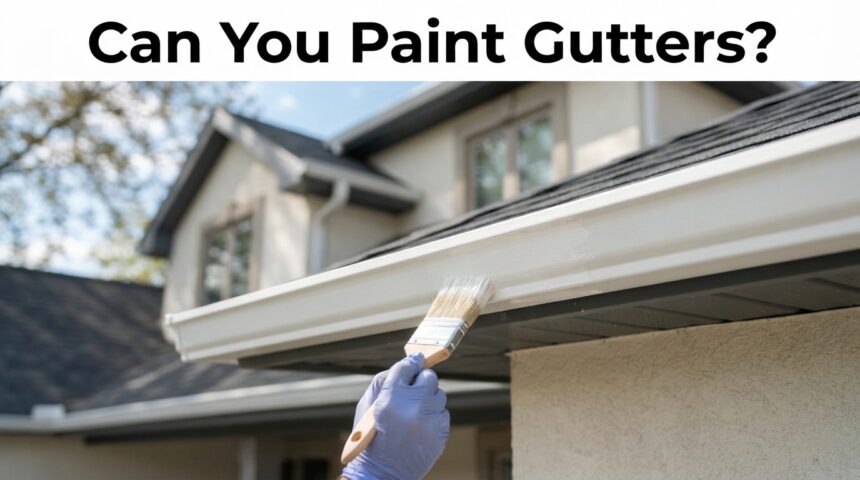
Yes, you can paint gutters, and doing so is one of the easiest ways to refresh the exterior of your home without a full replacement. Most metal gutters, including aluminum and galvanized steel, accept paint well once properly cleaned and primed.
Vinyl gutters can also be painted, though they require a flexible paint designed for plastic surfaces to prevent peeling. The right paint choice depends heavily on the gutter material, the current condition of the surface, and how much sun or moisture exposure the area gets.
With correct preparation, a coat of exterior-grade paint can last several years and dramatically improve curb appeal. This guide walks through every material, paint type, and technique so you get a smooth, long-lasting finish the first time.
Why Would You Paint Your Gutters?
There are several practical reasons homeowners choose to paint their gutters rather than replace them entirely, and most come down to appearance, protection, or resale value.
Matching Trim or Roof Color
Gutters often come in a limited set of factory colors, usually white, brown, or a neutral gray. When homeowners repaint their trim, shutters, or roof, the gutters can end up looking out of place. Painting them to match the new color scheme creates a cohesive, intentional look rather than an exterior that feels mismatched or unfinished.
Hiding Rust, Stains, or Fading
Over time, sun exposure causes fading, while water runoff can leave streaks or rust spots, particularly on galvanized steel gutters.
A fresh coat of paint, applied after proper cleaning and priming, can hide these imperfections and make older gutters look almost new again without the cost of replacement.
Boosting Curb Appeal Before Selling
Homeowners preparing to sell often paint gutters as part of a broader exterior refresh. Since gutters run along the entire roofline, their condition is highly visible from the street, and a clean, well-matched paint job can meaningfully improve first impressions for potential buyers.
Can All Gutter Materials Be Painted?
Not all gutter materials handle paint equally well; aluminum and steel are the easiest to work with, while vinyl requires special products and copper is generally best left unpainted. Understanding your gutter’s material before buying paint prevents wasted time and poor results.
Aluminum Gutters
Aluminum is the most common residential gutter material and also the easiest to paint. It holds paint well once lightly sanded and cleaned, since its surface allows primer and topcoats to bond effectively.
Most exterior acrylic paints work fine on aluminum, and the finish typically lasts many years with minimal maintenance.
Vinyl/PVC Gutters
Vinyl gutters are more challenging because standard paints don’t flex with the material as temperatures change, which often leads to cracking or peeling.
A paint specifically formulated for vinyl or plastic surfaces, with built-in flexibility, is necessary for the color to hold up through seasonal expansion and contraction.
Galvanized Steel Gutters
Steel gutters can rust over time, so any bare or corroded spots need a rust-inhibiting primer before painting. Once primed correctly, steel accepts standard metal paints well, and the coating also adds a layer of protection against further corrosion.
Copper Gutters (Why You Usually Shouldn’t)
Copper gutters develop a natural patina that many homeowners value for its aesthetic and protective qualities. Painting copper interferes with this natural weathering process and rarely bonds well long-term, so most experts recommend leaving copper unpainted and letting it age naturally instead.
| Material | Paintable? | Special Requirements |
| Aluminum | Yes, easily | Light sanding, exterior acrylic paint |
| Vinyl/PVC | Yes, with care | Flexible plastic-specific paint required |
| Galvanized Steel | Yes | Rust-inhibiting primer on bare/corroded areas |
| Copper | Not recommended | Painting disrupts natural patina and adhesion is poor |
What Type of Paint Should You Use?
Choosing the correct paint is just as important as prepping the surface, since the wrong formula can peel or fade within a single season regardless of how carefully it was applied.
Best Paint for Metal Gutters
For aluminum and galvanized steel, a 100% acrylic exterior paint or a dedicated metal paint, such as rust-inhibiting enamel, provides strong adhesion and weather resistance. These formulas are built to handle temperature swings, UV exposure, and moisture without cracking.
Best Paint for Vinyl Gutters
Vinyl gutters need a paint labeled specifically for vinyl, plastic, or flexible exterior surfaces. These products contain additives that allow the paint film to expand and contract along with the material, which standard house paint cannot do reliably.
Spray Paint vs. Brush-On Paint
Spray paint generally produces a smoother, more even finish on gutters because it reaches into seams and corners that brushes miss, and it dries with fewer visible strokes. Brush-on paint, however, offers more control for touch-ups or small sections and doesn’t require masking off nearby siding or windows as carefully.
How to Prepare Gutters Before Painting
Preparation determines whether the paint job lasts for years or starts peeling within months, so this step should never be rushed.
Cleaning and Removing Debris
Gutters accumulate dirt, leaves, and grime that prevent paint from bonding properly. Washing them thoroughly with soapy water, then rinsing and allowing full drying time, ensures the surface is clean enough for primer or paint to adhere correctly.
Sanding and Removing Rust
Light sanding roughens the surface slightly, which helps paint grip better, especially on glossy factory finishes. Any rust spots on steel gutters should be sanded down to bare metal so the primer can properly seal the area and prevent the rust from spreading underneath the new paint.
Priming Bare Metal
Any exposed or sanded metal needs a coat of primer matched to the material, such as a rust-inhibiting primer for steel. Skipping primer on bare metal is one of the most common reasons gutter paint fails prematurely, since the topcoat has nothing stable to bond to.
Step-by-Step: How to Paint Gutters
- Clean the gutters thoroughly and let them dry completely, ideally over a full day in dry weather.
- Sand the surface lightly to remove gloss, rust, or peeling old paint.
- Wipe away dust with a damp cloth and let the surface dry again.
- Mask off the roofline, fascia, and siding with painter’s tape to protect surrounding surfaces.
- Apply primer to any bare metal or previously unpainted sections and allow it to cure fully.
- Apply the first coat of exterior paint evenly, working in manageable sections.
- Let the first coat dry per the manufacturer’s instructions before applying a second coat if needed.
- Remove the tape once the final coat is dry to the touch, then let the gutters cure fully before heavy rain exposure.
Best Weather and Timing for Painting Gutters
Paint adheres best in mild, dry conditions, typically between 50 and 85 degrees Fahrenheit, with low humidity.
Painting in direct, intense sun can cause the paint to dry too quickly and form an uneven finish, while painting right before rain risks washing away an uncured coat. Early morning or late afternoon, on a forecasted dry day, tends to give the best results.
How Long Does Gutter Paint Last?
With proper preparation and quality exterior paint, a gutter paint job typically lasts anywhere from five to ten years before it needs touch-ups or a full repaint.
Factors such as climate severity, sun exposure, and how well the surface was primed all influence this lifespan. Gutters in harsher climates with heavy snow, rain, or intense UV exposure may need attention sooner than those in milder regions.
Common Mistakes to Avoid When Painting Gutters
Many gutter paint jobs fail early not because of the paint itself, but because of avoidable errors during preparation or application.
- Skipping the cleaning step, which leaves dirt trapped under the paint and weakens adhesion.
- Painting over rust without sanding it down first, allowing corrosion to continue spreading underneath.
- Using interior paint or the wrong formula for vinyl gutters, leading to early cracking or peeling.
- Applying paint in humid or rainy conditions, which prevents proper curing.
- Skipping primer on bare or sanded metal, one of the most common causes of premature paint failure.
Painting vs. Replacing Gutters — Which Is Better?
Deciding between painting and full replacement depends on the gutter’s current condition, age, and how much damage exists beyond surface-level fading or staining.
| Factor | Painting | Replacing |
| Cost | Low, mostly materials and time | Higher, involves new materials and labor |
| Best for | Gutters in good structural condition | Gutters with leaks, sagging, or heavy corrosion |
| Time required | A single weekend project | Multiple days depending on scope |
| Long-term value | Improves appearance only | Restores full function and appearance |
FAQs
Can you paint gutters without removing them?
Yes, gutters can be painted while still attached to the house, as long as they’re properly cleaned, sanded, and masked off to protect the roofline and siding during application.
Do you need to prime plastic gutters?
Vinyl gutters don’t always require a separate primer if using a paint specifically formulated for plastic, since many of these products include built-in adhesion promoters for flexible surfaces.
Can you paint gutters the same color as the house?
Yes, matching gutters to the siding or trim color is a common choice that creates a seamless, blended exterior look rather than gutters standing out as a separate element.
How much does it cost to paint gutters?
Costs are typically low since the main expenses are paint, primer, and basic supplies like sandpaper and tape, making it far cheaper than full gutter replacement in most cases.
Can you paint gutters with a roller?
A roller can work for flat sections, but a brush or spray application usually reaches seams, joints, and corners more effectively, giving a more even and professional-looking finish overall.
Conclusion
So, can you paint gutters? Absolutely, and with the right preparation and paint choice for your specific material, the results can look clean and professional for years. Aluminum and steel gutters are the easiest to work with, while vinyl requires a flexible, plastic-specific paint to avoid peeling.
Taking the time to clean, sand, and prime properly makes the biggest difference in how long the paint lasts. With these steps followed carefully, painting gutters is a simple, cost-effective way to refresh your home’s exterior.
Related Articles
How to Measure Ceiling Fan Size
How Long Does It Take to Do a Bathroom Renovation? Timelines, Phases & What to Expect
Does Home Insurance Cover Flooded Basement? A Complete Coverage Guide
What Are the Best Furniture Brands? A Simple Guide for Every Budget