


Most bathroom renovations take 3 to 21 days, depending on the size of the space and scope of work. A simple refresh can wrap up in under a week, while a full master bath gut renovation may take three weeks or more.
In this guide, we’ll cover the exact timeline by bathroom type and size — from powder rooms to master suites — plus 7 factors that can make your renovation take longer, so you can plan smarter and avoid costly surprises.
Full Bathroom Renovation Timeline: Phase by Phase

A full bathroom renovation moves through distinct phases — understanding each one helps you plan realistically and avoid unnecessary frustration.
- Phase 1: Planning & Permits (1–3 Weeks) Before demolition begins, you’ll need to finalize your design, source materials, and secure any required permits. Rushing this phase often leads to costly mid-project changes, so take the time to get it right.
- Phase 2: Demolition (1–2 Days) This is the quickest phase of the entire project, where old fixtures, flooring, and tile are removed. However, hidden issues like mold or outdated plumbing can add unexpected time to the process.
- Phase 3: Rough-In Work — Plumbing, Electrical & HVAC (2–5 Days) Plumbers and electricians run new lines before the walls are closed up. Moving fixtures or upgrading electrical systems will add extra days to this phase.
- Phase 4: Waterproofing & Backer Board (1–2 Days) Walls and floors are prepped with cement board or waterproof membrane before tiling begins. This step requires proper curing time and should never be rushed to avoid long-term water damage.
- Phase 5: Tiling (2–5 Days) Tile installation is one of the most time-intensive phases, especially with intricate patterns or large-format tiles. Grout also needs 24–72 hours to cure before the bathroom can be used.
- Phase 6: Fixture & Vanity Installation (1–3 Days) Toilets, vanities, sinks, and showers are installed once surfaces are fully set. Damaged or delayed special-order fixtures can push this phase back significantly.
- Phase 7: Finishing Touches (1–2 Days) Paint, trim, lighting, mirrors, and hardware are added to complete the space. It’s the final phase that pulls the entire renovation together.
Timeline by Bathroom Type and Size
Renovation time varies significantly depending on the bathroom’s size and function — here’s what to expect for each type.
Half Bath / Powder Room (3–5 Days)
A powder room is the simplest renovation — no shower, no tub, just a toilet and sink. Because the scope is limited, most contractors can complete the work in under a week with minimal disruption to your home.
Full Bathroom (1–2 Weeks)
A standard full bath with a tub-shower combo, toilet, and single vanity typically takes one to two weeks to renovate. The timeline extends when tilework, plumbing upgrades, or fixture replacements are involved.
Master Bathroom (3–6 Weeks)
Master bathrooms are larger, more complex, and often involve custom features like double vanities, walk-in showers, or freestanding tubs. More square footage and higher-end finishes mean more labor hours and a longer overall timeline.
Small Bathroom Under 50 sq ft (1–2 Weeks)
Tight spaces can actually slow contractors down since there’s less room to maneuver tools and materials efficiently. While the surface area is small, the labor per square foot is often higher than larger bathrooms.
Large Bathroom Over 100 sq ft (3–6 Weeks)
More floor space means more tile, more materials, and more installation time across every phase. Custom layouts and premium finishes in larger bathrooms can push the timeline toward the higher end of the range.
How Renovation Timeline Affects Cost?
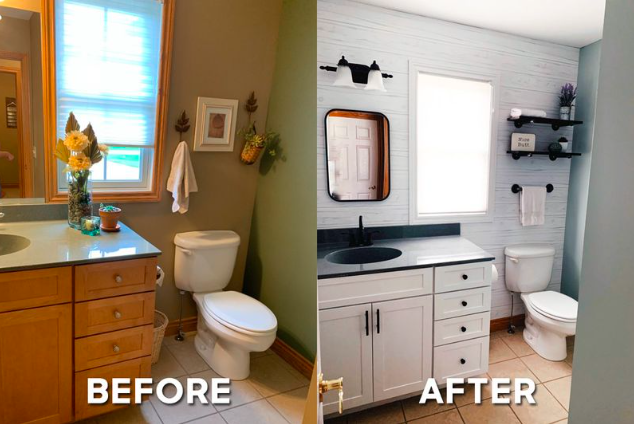
The longer, more delayed, or more rushed your bathroom renovation is, the more it’s likely to cost — here’s why.
- Longer Projects Mean More Labor Hours: Every extra day adds to your labor bill. Specialized tradespeople like plumbers and electricians charge by the hour, making every timeline extension a direct hit to your budget.
- Delays Expose You to Material Price Volatility: A renovation delayed by even a few weeks can mean paying more for the same materials you originally budgeted for, as tile, fixtures, and lumber prices shift with supply chain fluctuations.
- Rushed Projects Lead to Contingency Fees: Compressing a timeline pushes contractors into overtime rates and increases the likelihood of mistakes — both of which add significant costs on top of your original quote.
- Unforeseen Issues Drive Up Costs at Every Stage: Hidden water damage, outdated wiring, or structural problems don’t just slow things down — they add immediate unplanned expenses that most contractors cover through contingency fees built into the contract.
7 Factors That Can Make Your Renovation Take Longer
Even a well-planned bathroom renovation can run behind schedule. Here are the most common factors that slow projects down.
Hidden Structural or Water Damage
Once walls and floors are opened up, contractors often discover mold, rot, or water damage that wasn’t visible before demolition. Addressing these issues is non-negotiable — and adds days or even weeks to the original timeline.
Permit Delays
Depending on your location, pulling permits for plumbing, electrical, or structural work can take anywhere from a few days to several weeks. Inspections scheduled mid-project can also pause work until an official sign-off is received.
Special-Order or Back-Ordered Materials
Custom tiles, imported fixtures, or made-to-order vanities often have long lead times. If a key material arrives late, damaged, or incorrect, the entire project stalls until a replacement is sourced and delivered.
Contractor Availability and Scheduling Conflicts
Skilled tradespeople — plumbers, electricians, and tile installers — rarely work on a single job at a time. Coordinating multiple subcontractors around each other’s schedules is one of the most common causes of unexpected delays.
Mid-Project Design Changes
Changing your mind about tile, fixtures, or layout once work has already begun can set the project back significantly. Even small changes often require re-ordering materials, adjusting rough-in work, or redoing completed phases.
Plumbing or Electrical Complications
Moving drain lines, upgrading an electrical panel, or rerouting pipes through finished walls takes considerably more time than simple replacements. Older homes especially tend to present plumbing and wiring surprises that require additional labor.
Drying and Curing Time
Mortar, grout, waterproof membranes, and paint all require proper curing time before the next phase can begin. Rushing through these waiting periods leads to costly failures down the line — so this built-in downtime is unavoidable.
How to Speed Up Your Bathroom Renovation?
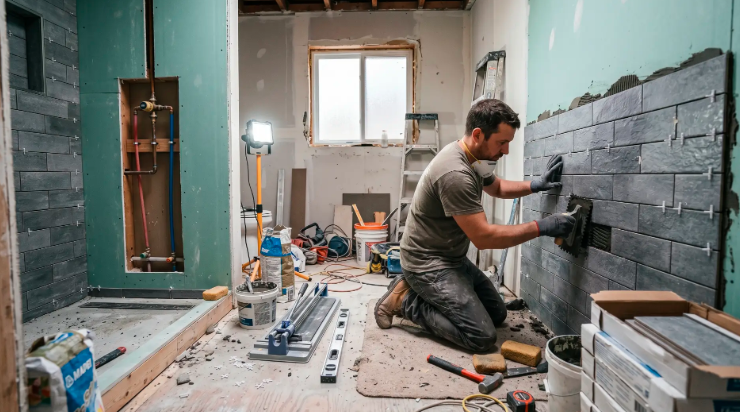
The good news is that a few smart decisions made early can shave days — sometimes weeks — off your renovation timeline.
- Plan Meticulously Before Work Begins: The most effective way to speed up a renovation is to finalize every decision before demolition starts. Locking in your design, confirming material availability, and securing permits in advance eliminates the stop-start delays that stretch most projects beyond their original schedule.
- Keep the Existing Layout: Moving plumbing drain lines or relocating electrical fixtures adds significant time and cost to any renovation. Keeping your toilet, sink, and shower in their original positions allows contractors to work faster since no major rough-in changes are required.
- Choose Materials That Are Easy to Install: Large-format tiles, prefabricated shower panels, and pre-assembled vanities install considerably faster than custom or intricate alternatives. Selecting materials designed for straightforward installation reduces labor hours without compromising on the final look.
Can You Live at Home During a Bathroom Renovation?
Yes, you can live at home during a bathroom renovation, but it requires significant preparation for noise, dust, and limited facilities.
If you have more than one bathroom, the disruption is manageable — but if you’re renovating your only bathroom, you’ll need to make alternative arrangements for bathing and daily routines.
Setting clear working hour expectations with your contractor, sealing off the renovation area, and planning ahead for temporary facilities will make the experience considerably more bearable.
Frequently Asked Questions
What time of year is best to renovate a bathroom?
Spring and fall are generally the best seasons for bathroom renovations. Contractor availability is higher, material lead times tend to be shorter, and moderate temperatures make ventilation and drying times more predictable compared to extreme summer heat or winter cold.
How long will I be without a functioning bathroom?
For a full renovation, expect to be without a functioning bathroom for anywhere between one to three weeks. Planning access to a second bathroom or temporary facilities beforehand is strongly recommended to avoid daily disruption.
Should I hire one general contractor or manage subcontractors myself?
Hiring a general contractor adds cost but saves significant time since they coordinate all subcontractors on your behalf. Managing tradespeople yourself can save money but often leads to scheduling gaps that extend the overall timeline.
How far in advance should I book a contractor?
Most reputable contractors are booked four to eight weeks in advance, and sometimes longer during peak renovation season. The earlier you secure your contractor, the better your chances of keeping your intended start date on track.
Does a bathroom renovation require a building permit?
Any renovation involving plumbing relocation, electrical upgrades, or structural changes typically requires a permit. Cosmetic updates like repainting or replacing fixtures usually do not — but requirements vary by location, so always check with your local authority before starting.
How long does a bathroom renovation add value to a home?
A well-executed bathroom renovation typically adds value for ten to fifteen years before showing signs of wear or dating. Using timeless materials and neutral finishes rather than trend-driven choices helps maximize the long-term return on your investment.
What is the most time-consuming part of a bathroom renovation?
Tiling is consistently the most time-consuming hands-on phase, particularly for complex patterns or large spaces. However, the planning and permit stage is often what causes the longest overall delays before physical work even begins.
Conclusion
A bathroom renovation timeline depends entirely on the size, scope, and decisions you make before and during the project.
Planning ahead, sticking to your existing layout, and choosing the right materials are the simplest ways to keep things on schedule and within budget.
Go in with realistic expectations and the right contractor, and your renovation will be a far smoother experience from start to finish.
Related Articles
How to Measure a Ceiling Fan: The Complete Size Guide for Every Room
Complete Guide to Roof Ventilation for Metal Roofs: Types, Benefits, Installation & Maintenance
How to Get Urine Smell Out of Bathroom: Complete Guide
Brass Kitchen Faucets: Types, Benefits, Buying Guide, and Maintenance Tips
Best Primer for Painting Kitchen Cabinets – Complete Easy Guide for Smooth & Durable Cabinets