

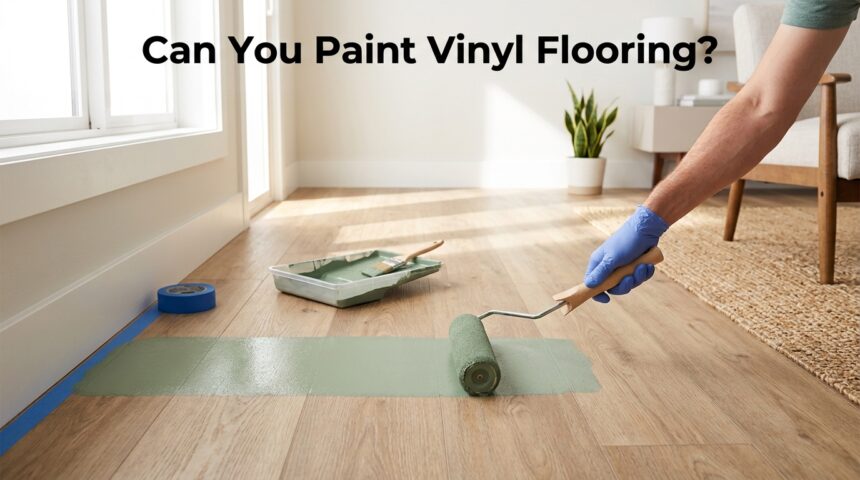
Yes, you can paint vinyl flooring, and thousands of homeowners do it every year to refresh a tired-looking floor without the cost of full replacement. The process is not as simple as painting a wall, since vinyl is smooth, non-porous, and flexible, which means it resists paint unless it is prepared correctly.
With proper cleaning, sanding, priming, and sealing, painted vinyl floors can look attractive and hold up reasonably well for a few years. This guide walks through everything you need to know before starting this project, from choosing the right materials to avoiding common mistakes that ruin the finish.
Understanding Vinyl Flooring
Vinyl flooring comes in different forms, and each one behaves a little differently when paint is applied. Knowing which type you have helps you set realistic expectations for the outcome.
Types of Vinyl Flooring
Sheet vinyl is a single large roll installed with few seams, commonly found in kitchens and bathrooms. Vinyl tile comes in individual squares that are glued down, often mimicking ceramic or stone.
Luxury vinyl plank, or LVP, is thicker, more rigid, and designed to look like hardwood, and it generally holds paint better than thin sheet vinyl because of its sturdier surface.
Why Vinyl Is Tricky to Paint
Vinyl has a factory-applied sheen that repels paint if it is not removed first. It is also flexible, so paint that is not designed to bend with the material can crack over time. This is why plain wall paint should never be used on a vinyl floor.
Can All Types of Vinyl Be Painted?
Most vinyl types can be painted as long as the surface is stable and not deteriorating. Sheet vinyl and vinyl tile respond well when sanded and primed properly.
LVP also accepts paint but is less commonly painted since it already mimics natural materials. Damaged or peeling vinyl of any type should be repaired or replaced before painting.
Pros and Cons of Painting Vinyl Flooring
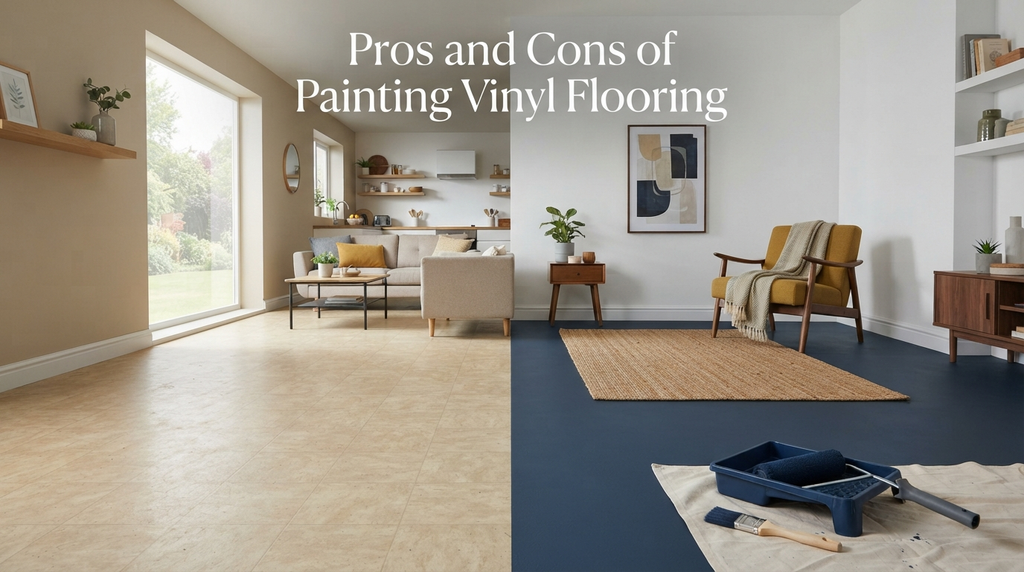
Painting vinyl flooring offers a budget-friendly way to change the look of a room, but it also comes with trade-offs that are worth understanding before committing to the project.
Advantages of Painting Vinyl Floors
Painting is significantly cheaper than ripping out old vinyl and installing new flooring. It also allows full creative control, since you can choose any color, pattern, or design that suits your space. The entire project can typically be completed over a weekend, making it appealing for people who want fast results.
Drawbacks to Consider
Painted vinyl floors are not as durable as factory-finished flooring and may show wear in high-traffic zones sooner.
The preparation stage, including cleaning and sanding, takes real effort and cannot be skipped. Unlike new flooring, painted vinyl is a temporary cosmetic fix rather than a permanent solution.
When You Should and Shouldn’t Paint Vinyl Flooring
The condition of your existing vinyl plays the biggest role in determining whether painting will succeed or fail. Assessing this honestly before starting saves time and materials.
Good Candidates for Painting
Vinyl that is flat, firmly attached, and free of major damage is an ideal candidate. If the surface only has minor scuffs or a dated color, painting can restore its appearance effectively.
Situations Where Painting Isn’t Recommended
Vinyl that is peeling, bubbling, or lifting at the edges will not hold paint properly, since the paint will simply flake off with the damaged material underneath.
Areas with constant water exposure, like shower floors, are also poor candidates unless a highly durable epoxy system is used.
Tools and Materials Needed
Having the right supplies ready before starting prevents interruptions midway through the project and ensures a smoother, more professional-looking result.
Cleaning and Prep Supplies
You will need a degreasing cleaner or a TSP substitute, sandpaper in medium grit, a tack cloth or damp rag for dust removal, and painter’s tape for edges and baseboards.
Paint and Finishing Products
A bonding primer designed for slick surfaces is essential, followed by a 100% acrylic floor paint or porch and floor enamel. A water-based polyurethane topcoat is used afterward to seal and protect the painted surface from scuffs and moisture.
Step-by-Step Guide to Painting Vinyl Flooring
Following the correct order of steps is the single most important factor in how long your painted vinyl floor will last, so each stage below should be completed fully before moving to the next.
Cleaning and Repairing the Surface
Start by scrubbing the floor with a degreasing cleaner to remove built-up grime, wax, and residue that would otherwise prevent paint from bonding. Fill any small cracks, gaps, or holes with a flexible vinyl filler and let it dry completely before continuing.
Sanding and Priming
Lightly sand the entire floor with medium-grit sandpaper to dull the glossy factory finish, then wipe away all dust with a damp cloth. Apply a bonding primer evenly across the surface and allow it to cure fully, since skipping this step is the most common reason painted vinyl fails.
Painting and Sealing
Apply two thin coats of acrylic floor paint or floor enamel, allowing each coat to dry before adding the next. Once the paint has cured, apply two to three coats of water-based polyurethane to protect the color and add durability against daily foot traffic.
Best Paint Types for Vinyl Flooring
Choosing the correct paint formula matters as much as the preparation work, since not every paint is built to flex and bond with a vinyl surface.
Acrylic Floor Paint
This is the most common choice for vinyl because it is flexible, water-resistant, and available in a wide range of colors, making it suitable for most residential rooms.
Porch and Floor Enamel
This oil-based option is known for being tough and long-wearing, which makes it a strong choice for entryways, hallways, and other high-traffic areas.
Epoxy and Chalk Paint Options
Epoxy paint creates an extremely hard, glossy, waterproof finish, ideal for garages or utility rooms, though it requires careful mixing and application. Chalk paint gives a matte, decorative look but generally needs a stronger topcoat since it wears faster underfoot.
Design Ideas for Painted Vinyl Floors
Once the base coat is applied, there are several creative directions you can take to make the floor feel custom rather than simply repainted.
Patterns and Stencils
Faux tile effects, checkerboard patterns, and geometric stencils are popular because they mimic higher-end flooring at a fraction of the cost. Painter’s tape and pre-cut stencils make these designs achievable even for beginners.
Simple Color Refresh
For those who prefer a clean, minimal look, a single solid color update is often enough to modernize a dated floor without adding complexity to the project.
How to Maintain Painted Vinyl Flooring
Proper care after painting significantly extends how long the finish stays intact and looking fresh.
Everyday Cleaning Tips
Use a soft mop or cloth with a mild, non-abrasive cleaner, since harsh chemicals can strip the topcoat over time. Avoid soaking the floor with excess water, especially around seams.
Preventing Damage
Place felt pads under furniture legs and use doormats at entry points to reduce scuffing and grit that can scratch the surface. Touch up worn spots promptly before the damage spreads further.
Common Mistakes to Avoid
Many painted vinyl floor failures trace back to a small number of repeated errors that are easy to prevent with a little patience.
Skipping Preparation Steps
Applying paint without sanding or priming first is the leading cause of peeling, since the paint has nothing to grip onto on a glossy vinyl surface.
Rushing the Process
Not allowing enough drying or curing time between coats, or walking on the floor too soon, weakens the bond and shortens the lifespan of the entire project significantly.
How Long Does Painted Vinyl Flooring Last?
With correct preparation and a quality topcoat, painted vinyl flooring generally lasts between one and three years before it needs touch-ups or a fresh coat, depending on foot traffic and sunlight exposure. Low-traffic rooms like bedrooms tend to hold up longer than busy hallways or kitchens.
Cost Comparison: Painting vs Replacing Vinyl Flooring
Painting a vinyl floor typically costs a fraction of what full replacement would cost, since it mainly involves cleaning supplies, primer, paint, and a sealant rather than new materials and installation labor. Below is a general comparison to help with budgeting decisions.
| Factor | Painting Vinyl Floor | Replacing Vinyl Floor |
| Average Cost | Low, mostly supplies | Higher, materials plus labor |
| Time Required | A weekend | Several days |
| Durability | Moderate, needs touch-ups | Longer-lasting |
| Skill Level | Beginner-friendly | Often needs a professional |
Frequently Asked Questions
Can you paint vinyl flooring in a bathroom or kitchen?
Yes, but a durable, water-resistant paint and sealant combination is necessary due to frequent moisture exposure in these rooms.
Do you need to prime before painting vinyl floors?
Yes, priming with a bonding primer is essential for the paint to stick properly and avoid peeling later on.
How long before you can walk on a painted vinyl floor?
Light foot traffic is usually safe after a few days, but full curing for furniture and heavy use can take up to a week.
Can you paint over patterned or textured vinyl?
Yes, though extra sanding may be needed to smooth out deep grooves so the pattern does not show through the paint.
Will painted vinyl floors crack or peel over time?
Some wear is normal, but proper prep and a flexible paint formula greatly reduce the chances of cracking or peeling.
Conclusion
So, can you paint vinyl flooring successfully? Absolutely, as long as you clean, sand, prime, paint, and seal the surface in the right order using materials made for flexible, non-porous surfaces.
While it is not a permanent fix like replacing the floor entirely, it offers an affordable and creative way to transform a dull space with results that can last a few years when properly maintained.
Related Articles
How to Install a Snow Bar on a Metal Roof?
Do Ceiling Tiles Have Asbestos? Full Safety Guide
How Do You Fix a Leaky Basement Wall? Complete Step-by-Step Guide
Why Does My Basement Smell Musty? Causes, Fixes & Prevention Guide