
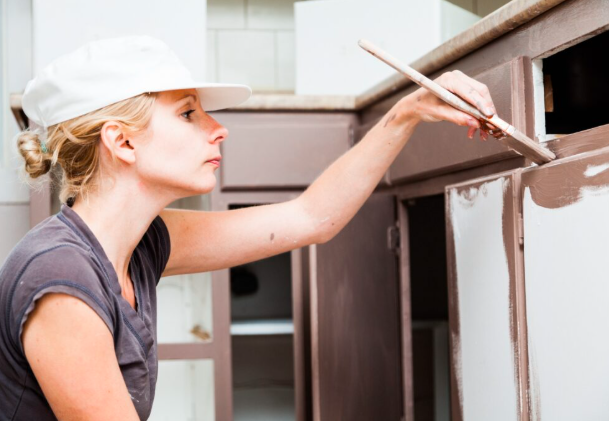
Choosing the best primer for painting kitchen cabinets is the foundation of a flawless, long-lasting finish — skip it, and even the most expensive paint will peel, chip, or fail within months. Kitchen cabinets face daily exposure to grease, moisture, and heat, making proper priming not just recommended but essential.
In this guide, we’ll dive into Why Primer Is Important Before Painting Cabinets and reveal the Best Primer for Painting Kitchen Cabinets to help you achieve professional results at home.
What Is a Primer for Kitchen Cabinets?
A primer is a special base coating applied before paint. It prepares the cabinet surface so paint can bond properly and last longer. Kitchen cabinet primers are designed to handle grease, moisture, stains, and heavy daily use.
Without primer, cabinet paint may peel, chip, or look uneven after a short time. Primer also helps cover dark stains, wood grain, and old finishes so the final paint color looks cleaner and smoother.
Why Primer Is Important Before Painting Cabinets?
The primer acts like a bridge between the cabinet surface and the paint. It improves paint adhesion and creates a more professional finish that lasts for years. Kitchen cabinets face heat, grease, fingerprints, and moisture every day, so a strong primer is essential.
Using the best primer for painting kitchen cabinets also reduces the number of paint coats needed. It blocks stains, seals porous surfaces, and prevents discoloration from old wood or smoke damage.
Do You Really Need Primer on Kitchen Cabinets?
Yes, most kitchen cabinets need primer before painting, especially glossy, stained, laminate, or previously painted surfaces. Primer ensures the paint sticks evenly and resists peeling over time.
Some paints claim to include primer, but professional painters still recommend a separate primer coat for cabinets because kitchen cabinets experience more wear and tear than walls or furniture.
Types of Primers for Kitchen Cabinets
Different cabinet materials require different types of primers. Choosing the correct primer helps improve adhesion, durability, and overall paint quality.
Water-Based Primer
Water-based primers are easy to use and have low odor. They dry quickly and clean up with soap and water, making them popular for indoor projects.
These primers work well on clean wood and previously painted cabinets. However, they may not block heavy stains as effectively as shellac or oil-based primers.
Advantages of Water-Based Primer
- Low odor
- Fast drying
- Easy cleanup
- Environment friendly
Disadvantages
- Less stain blocking
- May not bond well to slick surfaces
Oil-Based Primer
Oil-based primers provide strong adhesion and excellent stain blocking. They work very well on wood cabinets and surfaces with old paint or heavy stains.
These primers create a hard durable surface, but they have a strong smell and take longer to dry.
Advantages of Oil-Based Primer
- Excellent durability
- Strong adhesion
- Good stain blocking
Disadvantages
- Strong odor
- Longer drying time
- Requires mineral spirits for cleanup
Shellac-Based Primer
Shellac primer is considered one of the best options for painting kitchen cabinets because it dries extremely fast and blocks tough stains effectively.
It is commonly used on cabinets with smoke damage, water stains, or heavy wood tannins like oak cabinets.
Advantages of Shellac Primer
- Excellent stain blocker
- Fast drying
- Superior adhesion
Disadvantages
- Strong smell
- More expensive
- Difficult cleanup
Bonding Primer
Bonding primers are specially made for glossy or difficult surfaces like laminate cabinets and melamine.
These primers help paint stick to slick surfaces that normal primers may struggle to cover properly.
Advantages of Bonding Primer
- Great for laminate
- Strong adhesion
- Smooth finish
Disadvantages
- Can be costly
- Some formulas dry slowly
Best Primer for Painting Kitchen Cabinets
Choosing the right primer depends on your cabinet material, kitchen condition, and painting goals. Some primers focus on stain blocking while others provide better adhesion for smooth surfaces.
Best Overall Primer
Zinsser B-I-N Shellac-Based Primer is widely considered the best overall primer for painting kitchen cabinets. It sticks to almost any surface and blocks stains extremely well.
It is especially effective for cabinets with grease, smoke stains, or glossy finishes.
Best for Laminate Cabinets
INSL-X Stix Bonding Primer is one of the best choices for laminate cabinets because it bonds strongly to slippery surfaces.
It creates a stable surface for cabinet paint and reduces the risk of peeling.
Best for Oak Cabinets
Oak cabinets often have visible wood grain and tannins that bleed through paint. Shellac-based primers work best because they seal the grain and block stains effectively.
Two coats may be needed for smoother results.
Best Stain-Blocking Primer
Shellac and oil-based primers provide the strongest stain-blocking performance. They prevent water stains, smoke marks, grease spots, and wood tannins from showing through paint.
These primers are ideal for old kitchen cabinets with discoloration.
Best Low-Odor Primer
Water-based primers are best for homeowners who want low odor and easier indoor application. They are safer for small kitchens with limited ventilation.
Modern water-based formulas also provide improved adhesion and durability.
How to Choose the Right Cabinet Primer?
The best primer depends on your cabinet material and condition. Wood cabinets may need stain-blocking primers, while laminate cabinets require strong bonding primers.
Before buying primer, consider:
- Cabinet material
- Existing finish
- Presence of stains
- Desired paint finish
- Ventilation in your home
A high-quality primer may cost more initially, but it saves money by improving paint durability and reducing future repairs.
Best Primer by Cabinet Material
Different cabinet materials react differently to primer. Using the wrong primer can lead to peeling paint and uneven finishes.
Wood Cabinets
Wood cabinets work well with oil-based and shellac primers because these products seal wood grain and improve durability.
Oak cabinets especially benefit from shellac primer due to their heavy grain pattern.
MDF Cabinets
MDF absorbs moisture easily, so sealing it properly is important. Water-based or shellac primers work well because they prevent swelling and create a smooth paint surface.
Edges of MDF should be primed carefully because they absorb more product.
Laminate Cabinets
Laminate cabinets require bonding primer because the surface is slick and non-porous.
Without proper primer, paint may scratch or peel quickly.
Previously Painted Cabinets
Previously painted cabinets usually need light sanding and primer to improve paint adhesion.
If the old paint is glossy, a bonding primer is often the best choice.
Oil-Based vs Water-Based Primer for Cabinets
Oil-based primers provide stronger durability and stain resistance, while water-based primers are easier to apply and clean.
| Feature | Oil-Based Primer | Water-Based Primer |
| Durability | High | Medium |
| Odor | Strong | Low |
| Drying Time | Slow | Fast |
| Cleanup | Mineral Spirits | Soap & Water |
| Stain Blocking | Excellent | Good |
Oil-based primers are often preferred for heavy-duty kitchen use, while water-based products are ideal for easier indoor projects.
Shellac Primer vs Bonding Primer
Shellac primer is best for blocking stains, odors, and wood tannins on kitchen cabinets. It works great on oak and old wood cabinets but has a strong smell.
Bonding primer is made for glossy and laminate cabinets. It helps paint stick properly and prevents peeling or chipping.
| Shellac Primer | Bonding Primer |
| Best for stain blocking | Best for adhesion |
| Good for wood cabinets | Good for laminate cabinets |
| Strong odor | Lower odor |
Choose shellac primer for stained wood cabinets and bonding primer for smooth or glossy surfaces.
How to Prepare Kitchen Cabinets Before Priming?
Proper preparation is one of the most important steps in cabinet painting. Even the best primer for painting kitchen cabinets cannot perform well on dirty or greasy surfaces.
Start by removing cabinet doors, handles, and hinges. Label everything carefully so reinstallation becomes easier later.
Cleaning Cabinets Properly Before Painting
Kitchen cabinets collect grease, dust, smoke residue, and food particles over time. These contaminants prevent the primer from sticking properly.
Use a degreaser or mixture of warm water and dish soap to clean every surface thoroughly. Areas near the stove usually require extra cleaning because grease buildup is heavier there.
After cleaning, allow cabinets to dry completely before sanding or priming.
Step-by-Step Guide to Priming Kitchen Cabinets
Priming cabinets correctly helps achieve a smooth professional finish.
- Remove Cabinet Hardware:Take off knobs, hinges, and handles before starting.
- Clean Thoroughly: Remove grease, dirt, and dust from every surface.
- Sand the Cabinets: Light sanding improves primer adhesion and smoothness.
- Remove Dust: Use a tack cloth or vacuum to remove sanding dust.
- Apply Primer: Use a brush, roller, or sprayer to apply thin even coats.
- Let Primer Dry: Allow the primer to dry fully according to manufacturer instructions.
- Sand Lightly Again: Light sanding after priming helps create an ultra-smooth finish before painting.
Common Cabinet Priming Mistakes to Avoid
Many cabinet painting problems happen because of poor preparation or incorrect primer use.
Common mistakes include:
- Skipping cleaning
- Applying thick primer coats
- Not sanding glossy cabinets
- Using wall primer instead of cabinet primer
- Painting before primer fully dries
Avoiding these mistakes helps your cabinets look professional and last much longer.
Best Paint to Use After Primer
After priming, high-quality cabinet paint provides the best durability and finish. Satin, semi-gloss, and gloss finishes are most commonly used for kitchen cabinets.
Cabinet enamel paints are especially popular because they resist scratches, moisture, and stains better than standard wall paint.
How to Get a Smooth Professional Cabinet Finish?
A smooth finish requires patience, proper tools, and thin even coats of primer and paint.
Light sanding between coats removes imperfections and helps create a factory-like appearance. Working in a dust-free environment also improves results significantly.
Avoid rushing the drying process because soft paint can become damaged easily.
Best Tools for Priming Kitchen Cabinets
Different tools create different cabinet finishes. Choosing the right tool depends on your experience level and desired smoothness.
| Tool | Best Use | Finish Quality |
| Brush | Corners & details | Good |
| Foam Roller | Flat surfaces | Very Smooth |
| Paint Sprayer | Full cabinets | Professional |
Foam rollers are excellent for beginners because they reduce brush marks and create smoother finishes.
How to Prevent Brush Marks on Cabinets?
Brush marks usually happen when thick paint or poor-quality brushes are used.
To reduce brush marks:
- Use high-quality brushes
- Apply thin coats
- Avoid overbrushing
- Sand lightly between coats
- Use leveling cabinet paint
Foam rollers can also help create a smoother finish on flat cabinet doors.
How Long Painted Cabinets Last with a Good Primer?
When cabinets are properly cleaned, primed, and painted, they can last 8 to 15 years or even longer.
Using the best primer for painting kitchen cabinets greatly improves durability by helping paint resist peeling, chipping, moisture, and daily wear.
Regular cleaning and gentle maintenance also help preserve cabinet paint for many years.
FAQs
Can you use wall primer on kitchen cabinets?
Wall primer is not recommended for cabinets because it is not designed for heavy wear, grease, or moisture. Cabinet primers provide stronger adhesion and durability.
Is tinted primer good for kitchen cabinets?
Tinted primer can help when painting cabinets with dark or bold colors because it improves paint coverage and reduces extra coats.
How long should cabinets cure after painting?
Cabinets may feel dry within days, but full curing often takes 2 to 4 weeks depending on the paint and humidity.
Does humidity affect cabinet primer drying?
High humidity slows drying time and may affect adhesion, so proper ventilation is important during painting.
Can you use chalk paint without primer on cabinets?
Some chalk paints claim primer is unnecessary, but primer still improves durability and long-term performance.
Is sanding between primer coats necessary?
Light sanding between coats helps remove imperfections and creates a smoother professional finish.
Can primer change the final paint color?
Primer itself does not change the paint color, but it helps the paint appear more even and accurate.
Conclusion
Choosing the best primer for painting kitchen cabinets is one of the most important steps in achieving beautiful long-lasting cabinets. A quality primer improves paint adhesion, blocks stains, seals surfaces, and creates a smoother professional finish.
Whether you are painting wood, MDF, laminate, or previously painted cabinets, selecting the right primer can make your kitchen cabinets more durable and attractive for years. Proper cleaning, sanding, priming, and painting techniques all work together to create a finish that looks fresh, smooth, and professionally done.
Related Articles
How Long Do Vinyl Windows Last? A Complete Guide
Window with J-Channel: A Complete Homeowner’s Guide
How Long Do Vinyl Windows Last? A Complete Guide
Wood Filler for Hardwood Floors: Your Complete Guide
How to Clean Faux Suede Furniture Without Ruining It?