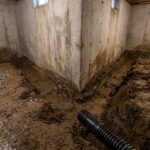

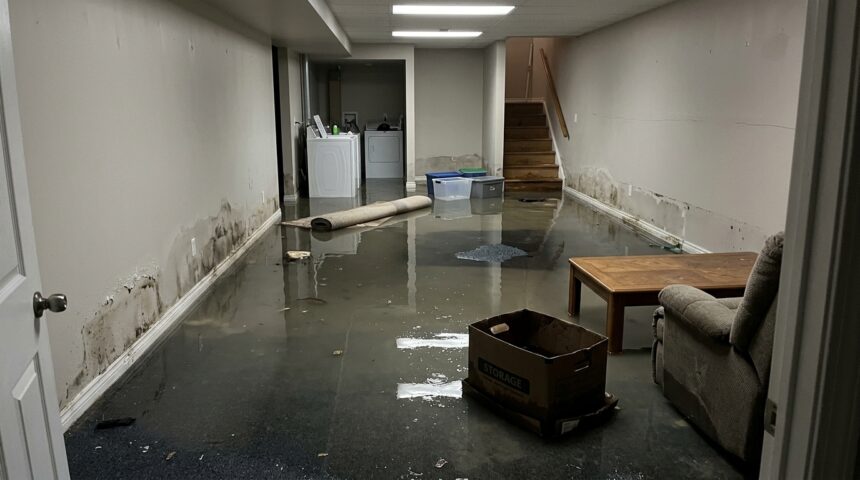
Discovering water pooling in your basement after a storm or even during normal weather can be alarming, leaving many homeowners asking why is my basement flooding in the first place. This problem stems from several possible causes, ranging from simple drainage issues to more serious foundation damage that requires professional repair.
Understanding the root cause is essential before attempting any fix, since treating the wrong problem often wastes time and money without solving anything.
This guide walks through the most common reasons basements flood, explains how to identify which cause applies to your situation, and offers practical solutions for each scenario.
Why Is My Basement Flooding
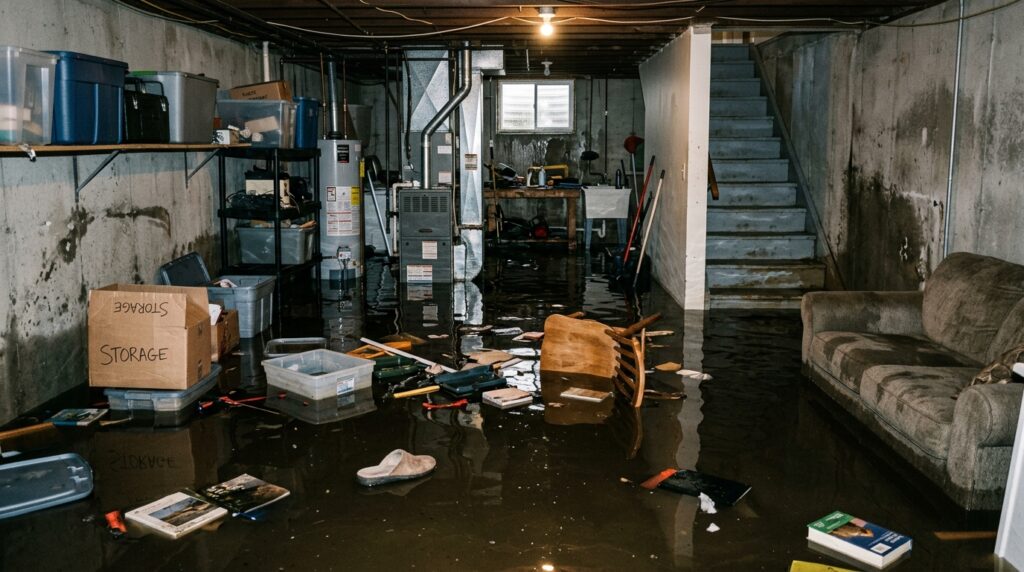
Basement flooding typically occurs due to poor exterior drainage, foundation cracks, a failing sump pump, or grading issues that direct water toward your home instead of away from it. Each cause requires a different solution, so identifying the specific source is the first step toward fixing the problem permanently.
Below we break down these causes in detail to help you pinpoint what is happening in your specific situation.
Poor Exterior Drainage Around Your Home
When gutters and downspouts fail to direct rainwater away from your foundation, water accumulates near the base of your home and eventually seeps through basement walls. This is one of the most common and easily fixable causes of basement flooding.
Extending downspouts several feet away from the foundation often resolves this issue without any major repair work.
Foundation Cracks Allowing Water Entry
Small cracks in your foundation walls or floor can widen over time, creating entry points for groundwater, especially after heavy rainfall or snowmelt.
These cracks often start small but worsen due to natural settling or freeze-thaw cycles in colder climates. Sealing these cracks early prevents them from becoming major flooding sources later.
Common Causes of Basement Flooding

Understanding all potential causes helps you narrow down the exact issue affecting your home. The table below summarizes the most frequent culprits and their typical solutions.
| Cause | Why It Happens | Recommended Solution |
| Poor Grading | Ground slopes toward the house instead of away | Regrade soil to slope away from foundation |
| Clogged Gutters | Debris blocks proper water flow | Clean gutters regularly, especially in fall |
| Sump Pump Failure | Pump stops working during heavy rain | Install battery backup or replace faulty pump |
| Foundation Cracks | Water seeps through weakened concrete | Seal cracks with hydraulic cement or epoxy |
| High Water Table | Groundwater rises above foundation level | Install interior drainage system |
Sump Pump Malfunctions During Storms
Many homes rely on sump pumps to remove excess groundwater before it enters the basement, but these pumps can fail due to power outages or mechanical issues during storms. A battery backup system ensures the pump continues working even when electricity goes out. Regular testing throughout the year helps catch potential failures before they cause actual flooding.
Improper Yard Grading Issues
If the ground around your home slopes toward the foundation instead of away from it, rainwater naturally collects near your basement walls with nowhere else to go. This issue often develops gradually as soil settles unevenly over the years. Regrading the yard so water flows away from the house significantly reduces flooding risk during heavy rainfall.
Steps to Diagnose the Source of Flooding
Before attempting repairs, it helps to systematically check different potential sources to confirm exactly where water is entering your basement.
- Check gutters and downspouts for clogs or improper direction
- Inspect foundation walls and floors for visible cracks
- Test your sump pump by pouring water into the pit
- Examine yard grading around the entire perimeter of your home
- Look for water stains indicating where entry points exist
Inspecting Your Foundation for Cracks
Walk around your basement walls and floor slowly, looking for any visible cracks, even small hairline ones that might seem insignificant at first glance. Water often finds its way through even the tiniest openings, especially under pressure during heavy storms. Marking these cracks and monitoring them over several weeks helps determine if they are actively worsening.
Testing Your Sump Pump Function
Pour a bucket of water directly into your sump pit and observe whether the pump activates and removes the water properly within a reasonable time. If the pump fails to turn on or struggles to keep up, this indicates a mechanical problem needing immediate attention. This simple test can be done in just a few minutes and reveals critical information about your system’s reliability.
Long-Term Solutions for Preventing Future Flooding
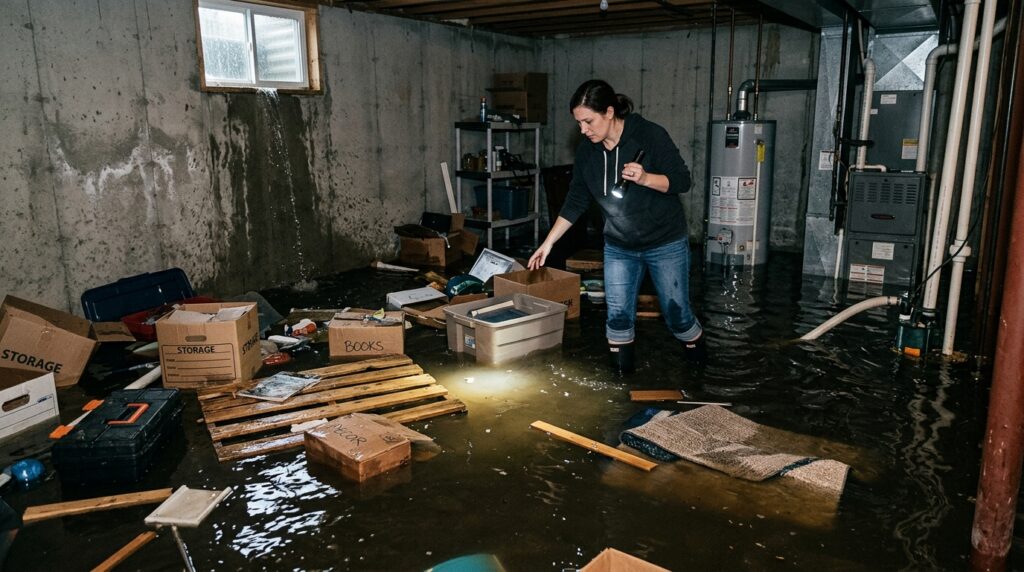
While immediate fixes address current flooding, long-term prevention often requires a combination of several strategies working together for lasting protection.
Installing an Interior Drainage System
For homes with persistent flooding issues, installing an interior French drain system along the basement perimeter helps channel water toward a sump pump before it spreads across the floor.
This solution works particularly well in areas with naturally high water tables. Though more expensive than surface fixes, it provides reliable long-term protection against recurring flooding.
Regular Maintenance Habits to Adopt
Simple habits like cleaning gutters twice yearly, testing your sump pump seasonally, and inspecting foundation walls after major storms go a long way in preventing future flooding incidents.
Consistency matters more than any single major repair when it comes to basement protection. Homeowners who stay proactive typically avoid the most severe flooding scenarios entirely.
Conclusion
Answering why is my basement flooding often requires checking multiple potential causes, from simple gutter clogs to more serious foundation cracks or sump pump failures. Identifying the exact source through careful inspection allows you to apply the right solution rather than guessing and wasting resources.
With proper drainage, regular maintenance, and timely repairs, most basement flooding issues can be resolved and prevented from recurring in the future.
FAQs
Can heavy rain alone cause basement flooding even with no foundation damage?
Yes, poor exterior drainage or clogged gutters alone can cause flooding even without any cracks or foundation issues present.
How often should I test my sump pump?
Testing your sump pump every few months, especially before rainy seasons, helps ensure it works properly when you need it most.
Is basement flooding always related to foundation cracks?
No, flooding often results from external drainage problems, grading issues, or pump failures rather than foundation damage alone.
Related Articles
How to Cut Ceiling Tiles: A Step-by-Step Guide for Mineral Fiber and Fiberglass Panels
Complete Guide to Roof Ventilation for Metal Roofs: Types, Benefits, Installation & Maintenance
Metal Roof Overhang: A Complete Guide to Designing Effective Overhangs
How to Replace Screening in Window Screens: Complete Guide 2026