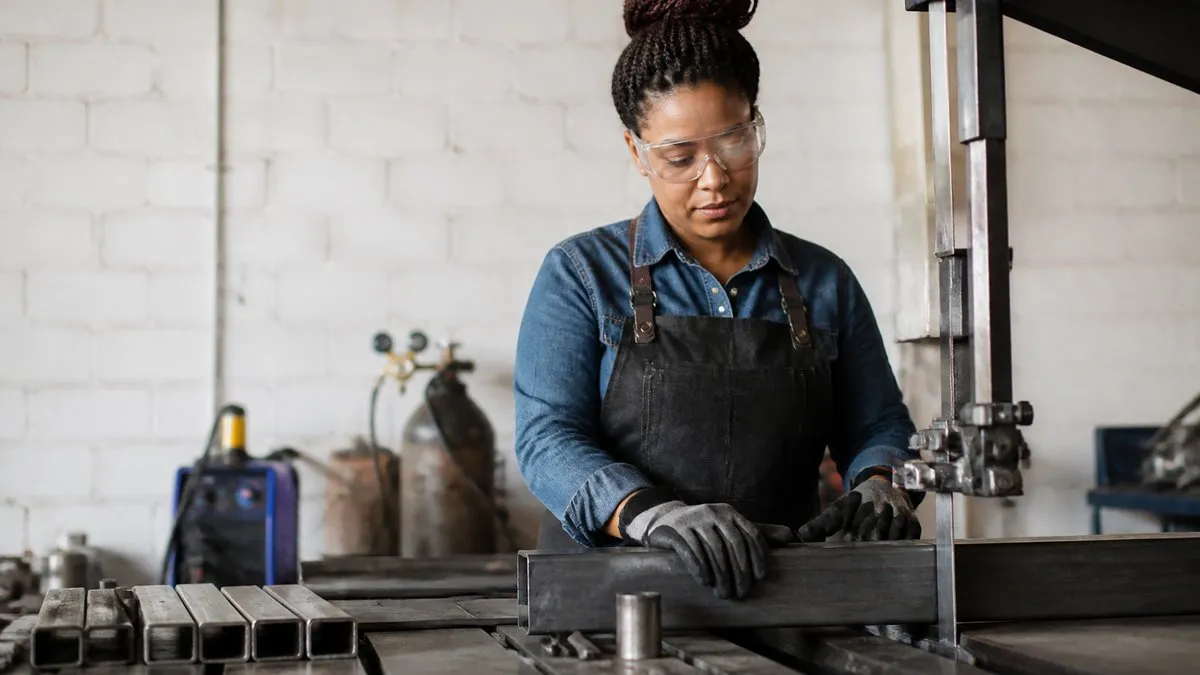
Metal fabrication involves cutting metal to size, shaping the pieces, and joining them to make finished products. Material choice affects waste and energy use because each type of metal requires different amounts of processing. Surface treatments protect metal products from corrosion, while regular maintenance extends their service life and reduces the need for replacement. Here is more information on the environmental impact of metal fabrication:
Selecting Metals for Fabrication
Steel, stainless steel, aluminum, and wrought iron serve different purposes in architectural and structural metalwork. Steel provides strength for structural components, while wrought iron suits decorative railings and ornamental details. Stainless steel offers corrosion resistance for railings and fences. Aluminum provides a lightweight option for gates, brackets, frames, and handrails. The metal you choose depends on the project’s purpose and its exposure to the elements; material dimensions also affect how much raw metal the work requires. Careful measurements help fabricators cut each metal piece to fit the design and avoid wasting material.
Reducing Cutting and Fabrication Waste
Metal fabrication involves cutting metal to the required size using methods such as shearing and laser cutting. Bending and rolling are then used to form the metal into straight or curved sections, depending on the design. The fabrication method is selected based on three key factors:
- Component shape
- Required dimensions
- Design specifications
Cutting metal bars and sheets to size can leave offcuts and other leftover material. Careful planning and accurate measurements help determine part sizes before cutting begins. Custom railings, posts, balusters, and handrails must be made to match the design so components fit together during assembly. Precise cutting and forming also help minimize material waste and unnecessary adjustments.
Grinding smooths welded joints before the metal receives its final finish. Where possible, leftover metal pieces are set aside for use in other projects rather than discarded. Scrap that cannot be reused can be separated for recycling, allowing the material to be processed for future applications.
Controlling Energy Use During Welding
Welding joins metal components to create railings, gates, staircases, and structural assemblies. Metal Inert Gas (MIG) welding uses a continuously fed wire electrode and shielding gas to join metal parts. Tungsten Inert Gas (TIG) welding uses a nonconsumable tungsten electrode and provides precise control for detailed work.
Stick welding, also known as Shielded Metal Arc Welding (SMAW), uses a flux-coated electrode and is commonly used for heavy-duty fabrication and outdoor repairs. Welding equipment consumes electricity during operation, so equipment selection and welding time are key elements for managing energy use. The appropriate welding method depends on the type of metal and level of detail required. Cleaning metal surfaces before welding removes dirt, rust, and other contaminants that interfere with weld quality. Proper material preparation and careful planning also help limit unnecessary rework and material waste, supporting more resource-conscious fabrication practices.
Explore Metal Fabrication Services
Suitable materials and accurate fabrication help reduce waste, while appropriate coatings extend the service life of metalwork. Since each project has specific design and structural requirements, fabricators choose methods that fit the intended use. Speak with a metal fabrication company about your project today.