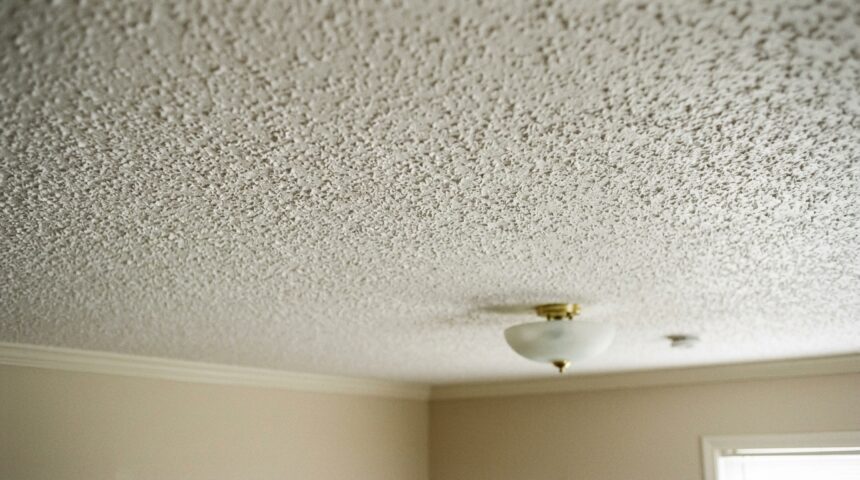
Walk into almost any older home and there is a good chance you will spot a bumpy, textured ceiling that was once considered stylish and practical. Today, that same texture is one of the most commonly flagged issues during home inspections and renovations, and for good reason.
This guide unpacks exactly why popcorn ceilings cause concern, covering health, comfort, and resale angles in plain, everyday language.
What Is the Problem With Popcorn Ceilings?
Popcorn ceilings combine an outdated look with a few hidden risks that are not obvious just from looking up. The texture itself is harmless in many cases, but the era it came from and the way it ages create real concerns worth understanding.
Outdated Aesthetic Appeal
Interior trends have moved decisively toward clean, smooth surfaces that reflect light evenly and pair well with modern flooring and fixtures.
A bumpy, textured ceiling tends to stand out in the wrong way against updated rooms, often making an otherwise renovated space feel half-finished. This stylistic mismatch is one of the simplest, most visible reasons homeowners choose to remove it.
Common Era of Installation
Most popcorn ceilings were sprayed onto homes built between the 1950s and the early 1990s, a period when the technique was both fast and inexpensive for builders. Knowing this rough timeframe matters because it lines up almost exactly with the years when certain hazardous materials were still legally used in construction. A home built within this window deserves closer attention before any ceiling work begins.
Misconceptions vs Real Risks
Not every popcorn ceiling is dangerous, and plenty of homes built after the late 1980s have texture that carries no health risk at all.
The real issue is that there is no way to tell just by looking, which is why blanket assumptions in either direction tend to cause confusion. Treating any older ceiling with caution until it has been properly checked is the safest approach.
The Asbestos Concern Explained
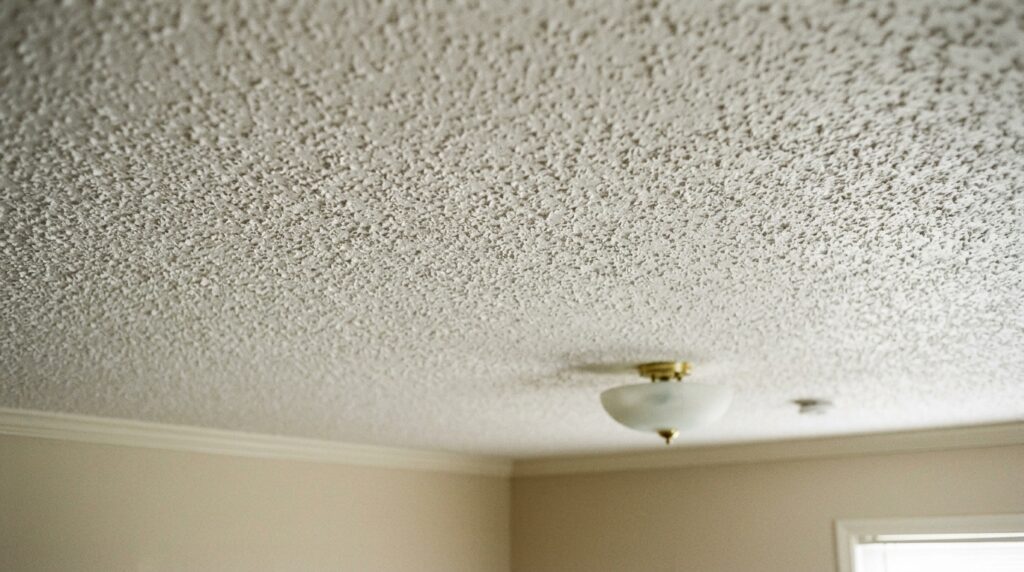
Asbestos is the single biggest reason popcorn ceilings carry a serious reputation, far more than the outdated look ever could. Understanding how it got there and why it matters helps explain the level of caution professionals recommend.
How Asbestos Ended Up in Ceiling Texture
Manufacturers once mixed asbestos fibers into spray-on ceiling texture because the material added fire resistance and helped the texture hold its shape once dried.
Partial restrictions began appearing in the late 1970s, but builders continued using existing supplies for several more years afterward. This overlap is why even homes built slightly after initial restrictions can still carry traces of the material.
Health Dangers When Disturbed
The danger with asbestos is almost entirely tied to disturbance, since intact, undamaged texture generally poses little immediate risk sitting untouched on a ceiling. Once scraped, sanded, or cracked, however, microscopic fibers can become airborne and settle deep into the lungs when inhaled.
Long-term exposure has been associated with severe illnesses, including asbestosis and certain forms of cancer affecting the lungs and chest cavity.
Testing Before Any Work
A small sample sent to an accredited lab is the only dependable way to confirm whether a ceiling contains asbestos, and guessing based on age alone is never recommended.
This testing typically takes a few days and costs a modest amount compared to the price of removal itself. Until results come back clear, homeowners should avoid scraping, drilling, or sanding the surface in any way.
Everyday Living Issues With Popcorn Texture
Setting health concerns aside, popcorn ceilings also create ordinary household frustrations that show up regardless of when the home was built. These issues tend to become more noticeable the longer a family lives with the texture overhead.
Dust and Allergen Buildup
The countless small bumps and crevices across a textured ceiling give dust, pet hair, and pollen far more surface area to settle into compared to a flat surface.
Over time, this buildup can become a quiet contributor to indoor air quality problems, particularly for household members sensitive to allergens. Unlike a smooth ceiling, this dust is also harder to spot until it has accumulated noticeably.
Cleaning Challenges
Regular dusters and even vacuum attachments often cannot reach into every tiny pocket created by the texture, leaving behind buildup that standard cleaning routines miss.
Cobwebs in particular tend to cling to the rough surface far more persistently than they would on a flat ceiling. This makes routine maintenance more time-consuming than most homeowners expect.
Difficult Patch Repairs
Matching new texture to existing popcorn ceiling material is one of the trickier small repairs in home maintenance, since spray density and particle size rarely match perfectly between old and new work.
Even a careful repair job often leaves a visible outline once paint dries and lighting hits it at certain angles. Because of this, many homeowners end up removing larger sections rather than patching small damaged areas individually.
Effect on Lighting and Room Feel
Beyond health and upkeep, the physical texture of a popcorn ceiling changes how a room actually feels to be in. This is one of the less obvious downsides that often surprises people once it is pointed out.
Shadow and Light Scatter
A textured surface scatters light unevenly, creating small shadows across the ceiling that a flat surface simply does not produce.
This scattering effect can make rooms appear slightly dimmer than they would with the same light fixtures installed under a smooth ceiling. The difference becomes more noticeable in rooms that already rely heavily on overhead lighting rather than large windows.
Visual Weight in Small Rooms
In smaller bedrooms, bathrooms, or hallways, the bumpy texture can add a sense of visual heaviness that makes already tight spaces feel even more closed in. Smooth ceilings, by contrast, tend to recede visually, helping a room feel taller and more open without changing its actual dimensions.
This is part of why many smaller homes see a noticeable shift in feel once the texture is removed.
Comparison With Smooth Ceilings
Side-by-side, rooms with smooth ceilings consistently photograph and show better than identical rooms with popcorn texture, particularly under typical indoor lighting conditions.
This is not simply a matter of personal taste, since the physical way light interacts with each surface genuinely differs. For homeowners weighing whether removal is worth the effort, this visual contrast is often the deciding factor.
Real Estate and Resale Concerns
For anyone planning to sell, popcorn ceilings can quietly influence how a home is perceived from the very first walkthrough. This makes the issue relevant even for owners who have never personally minded the texture.
Buyer Hesitation
Many buyers immediately associate textured ceilings with an outdated, potentially unsafe home, sometimes assuming asbestos is present even when it has never been tested. This hesitation can translate into lower initial offers or requests for repair credits before negotiations even get serious.
Agents often mention ceiling texture as one of the first cosmetic concerns raised during private showings.
Appraisal and Listing Impact
While an appraiser will not typically penalize a home directly for popcorn ceilings, the overall impression of an outdated interior can subtly influence comparable value judgments. Listing photos also tend to look less polished with visible texture overhead, especially in well-lit rooms where the bumps catch shadows clearly.
Sellers often notice a difference in buyer engagement once listing photos show smooth, updated ceilings instead.
Removal as a Pre-Sale Strategy
Because the upgrade is relatively affordable compared to its visual impact, many sellers treat popcorn ceiling removal as one of the more practical pre-listing projects available. It pairs well with fresh paint and updated lighting, often making rooms feel significantly more move-in ready without major renovation costs.
This combination of low cost and noticeable impact is why the project remains popular among home staging recommendations.
What Removal Involves and What It Costs
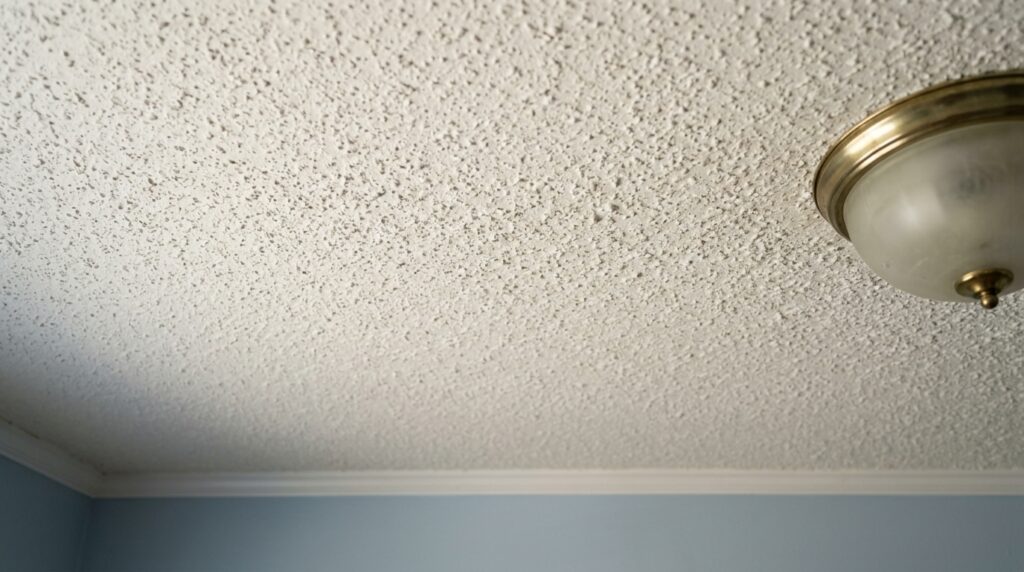
Once a homeowner decides to remove a popcorn ceiling, the process and price depend almost entirely on whether asbestos testing comes back clear. This single factor shapes nearly every other decision in the project.
Standard Removal Process
When no asbestos is present, removal generally involves lightly wetting the texture, scraping it away with a flat tool, and smoothing the surface before repainting or retexturing. This process is messy but manageable, and many homeowners choose to handle it themselves with proper coverings and safety gear.
Drying time, ceiling height, and the condition of the drywall underneath all influence how long the job takes.
Asbestos Abatement Process
If testing confirms asbestos, the job shifts entirely to a certified abatement contractor who uses sealed containment, negative air pressure, and specialized disposal methods to remove the material safely.
This process is significantly more involved than standard removal and is not something homeowners should attempt independently under any circumstances. The table below outlines general cost expectations for both situations.
| Project Type | Typical Cost Range |
| Asbestos testing | $250 to $850 |
| Standard removal (no asbestos) | $1 to $6 per square foot |
| Certified asbestos abatement | $5 to $20 per square foot |
| Refinishing and repainting | $1 to $3 per square foot |
Frequently Asked Questions
Do all popcorn ceilings need to be tested before removal?
Testing is strongly recommended for any home built before 1990, since visual inspection alone cannot confirm whether asbestos is present.
Is it safe to live with a popcorn ceiling without removing it?
Yes, undisturbed texture in good condition is generally considered low risk, since danger mainly comes from disturbing the material directly.
Why do popcorn ceilings make rooms look smaller?
The textured surface scatters light unevenly and adds visual weight overhead, which can make rooms feel more closed in than they actually are.
Does removing a popcorn ceiling really help when selling a home?
Yes, smooth ceilings tend to photograph better and remove a common hesitation point buyers raise during showings and negotiations.
Can encapsulation replace full asbestos removal?
Encapsulation seals the material in place rather than removing it, which can work temporarily but adds cost and complexity to any future renovation plans.
Conclusion
Popcorn ceilings raise more than just a style debate, touching on real health considerations, daily upkeep frustrations, and resale challenges depending on the home’s age and condition. Testing remains the most important first step for any home built before 1990. Beyond that, weighing comfort, lighting, and long-term value usually makes removal a practical and worthwhile decision for most homeowners.
Related Articles
Best Primer for Painting Kitchen Cabinets – Complete Easy Guide for Smooth & Durable Cabinets
Metal Roof Overhang: A Complete Guide to Designing Effective Overhangs
How to Clean Faux Suede Furniture Without Ruining It?
Brass Kitchen Faucets: Types, Benefits, Buying Guide, and Maintenance Tips